Rare Original WWII 826th Amphibian Tractor Battalion "Invasion of Luzon" D-Day Lingayen Gulf Landings Named Amphibious Landing Craft Amtrac Driver



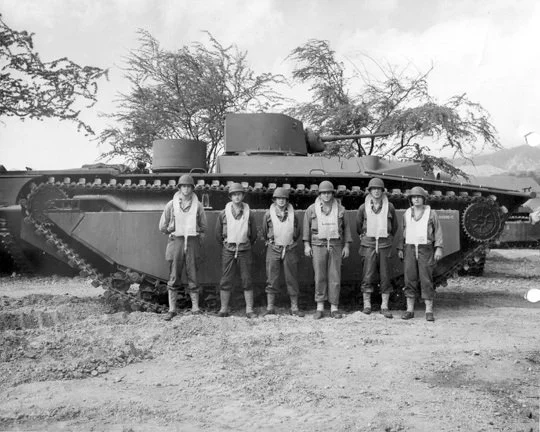
Rare Original WWII 826th Amphibian Tractor Battalion "Invasion of Luzon" D-Day Lingayen Gulf Landings Named Amphibious Landing Craft Amtrac Driver
Comes with a hand-signed C.O.A.
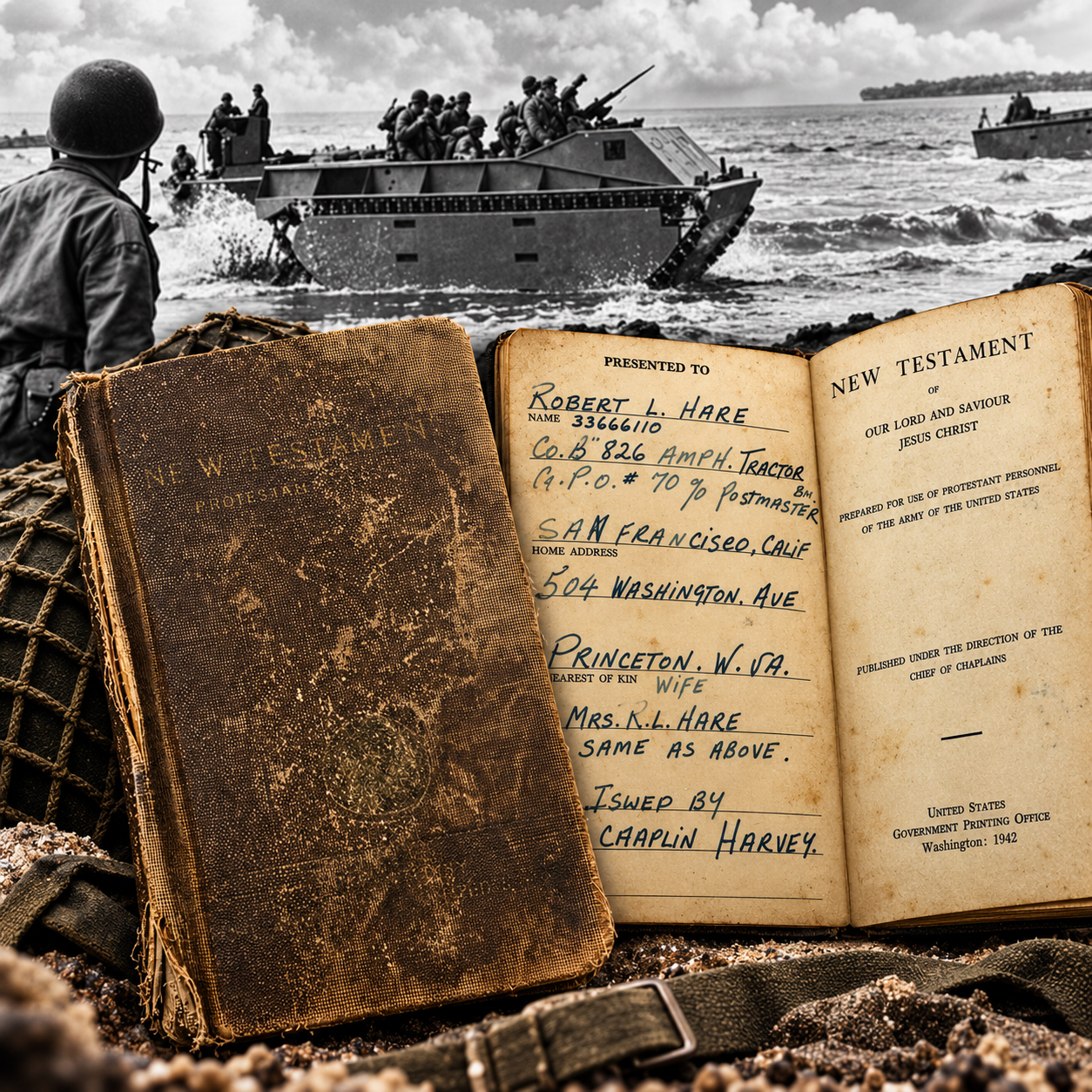
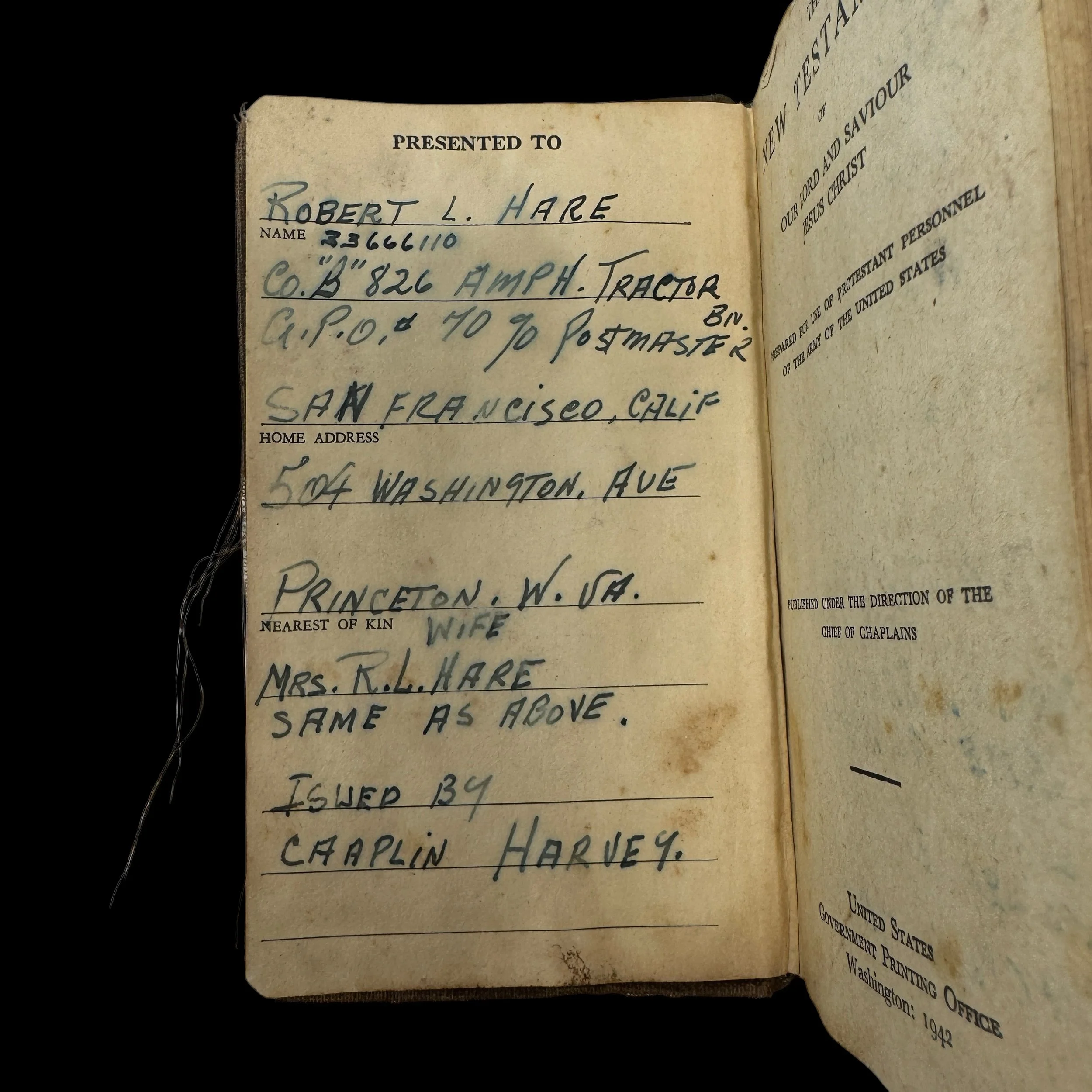
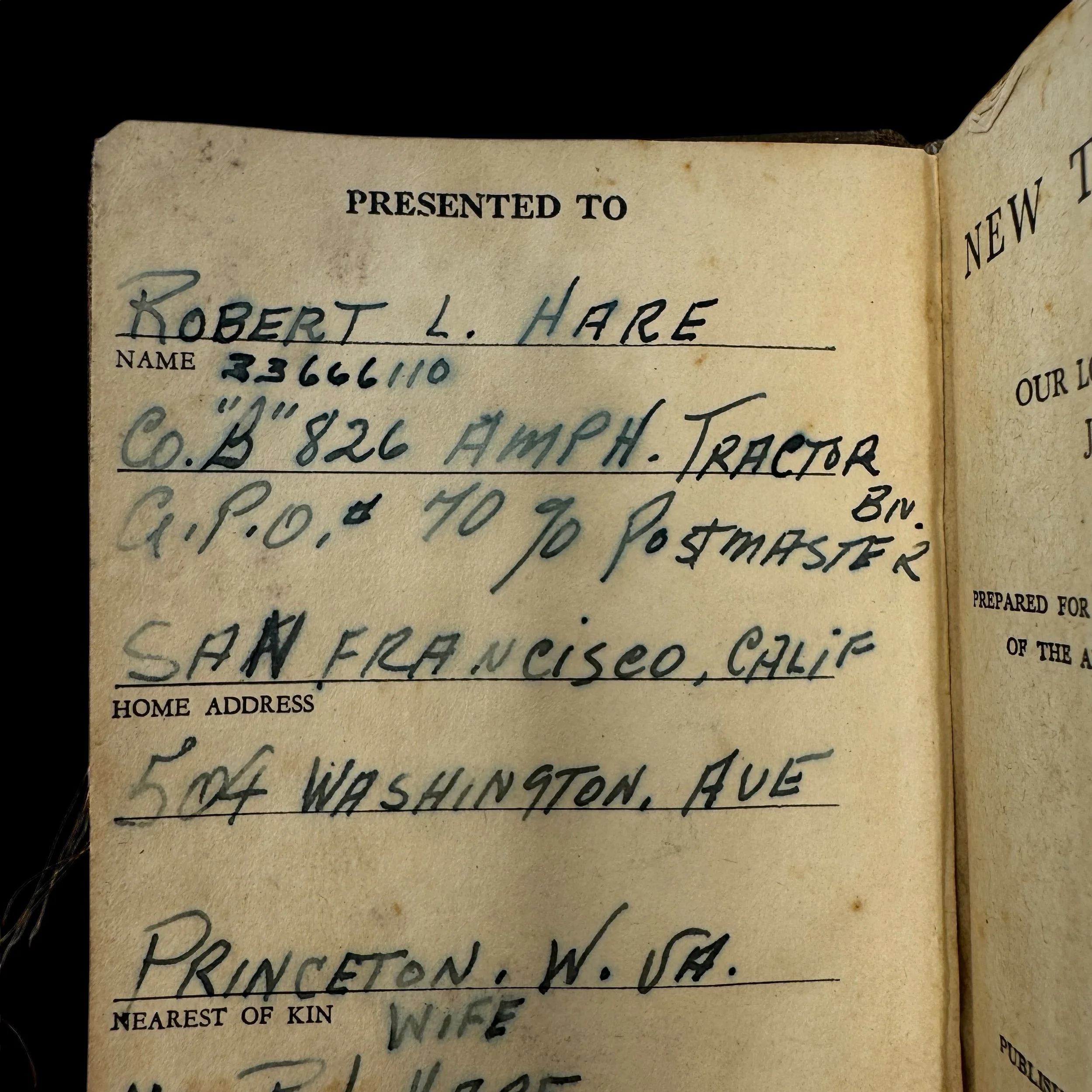
Personally Issued to Robert L. Hare, Company B, 826th Amphibian Tractor Battalion. Pacific Theater, Philippines Campaign, 1944–1945.
Soldier: Robert L. Hare, Army Serial Number 33666110.
Military Unit: U.S. Army, Company B, 826th Amphibian Tractor Battalion.
Division Association: 43rd Infantry Division, Luzon Campaign.
Theater of War: Pacific Theater, Philippines (1944 to 1945).
Major Battles and Operations: Invasion of Luzon, D-Day Lingayen Gulf Landings (January 9, 1945), and subsequent Luzon Campaign. Battalion elements also participated in the Leyte Campaign (October 1944).
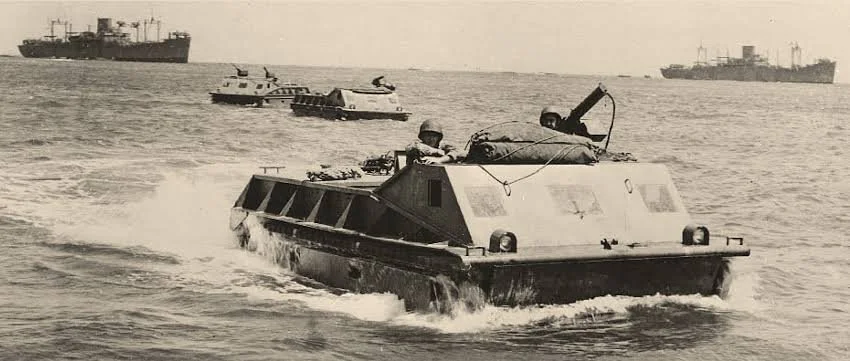
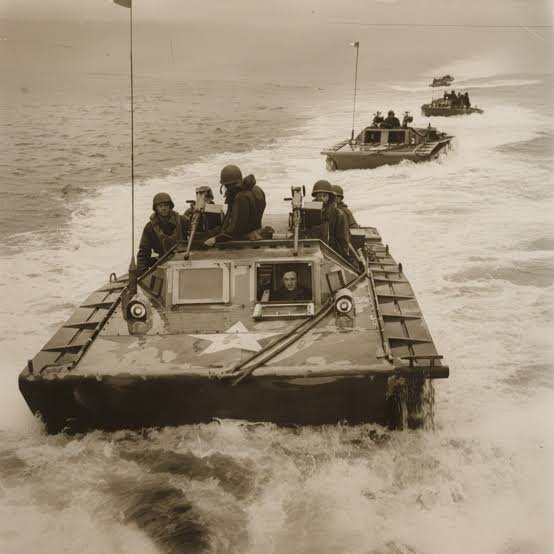
Military Specialty: Amphibious assault transportation using Landing Vehicles, Tracked (LVTs), transporting American troops, equipment, and supplies during Pacific operations.
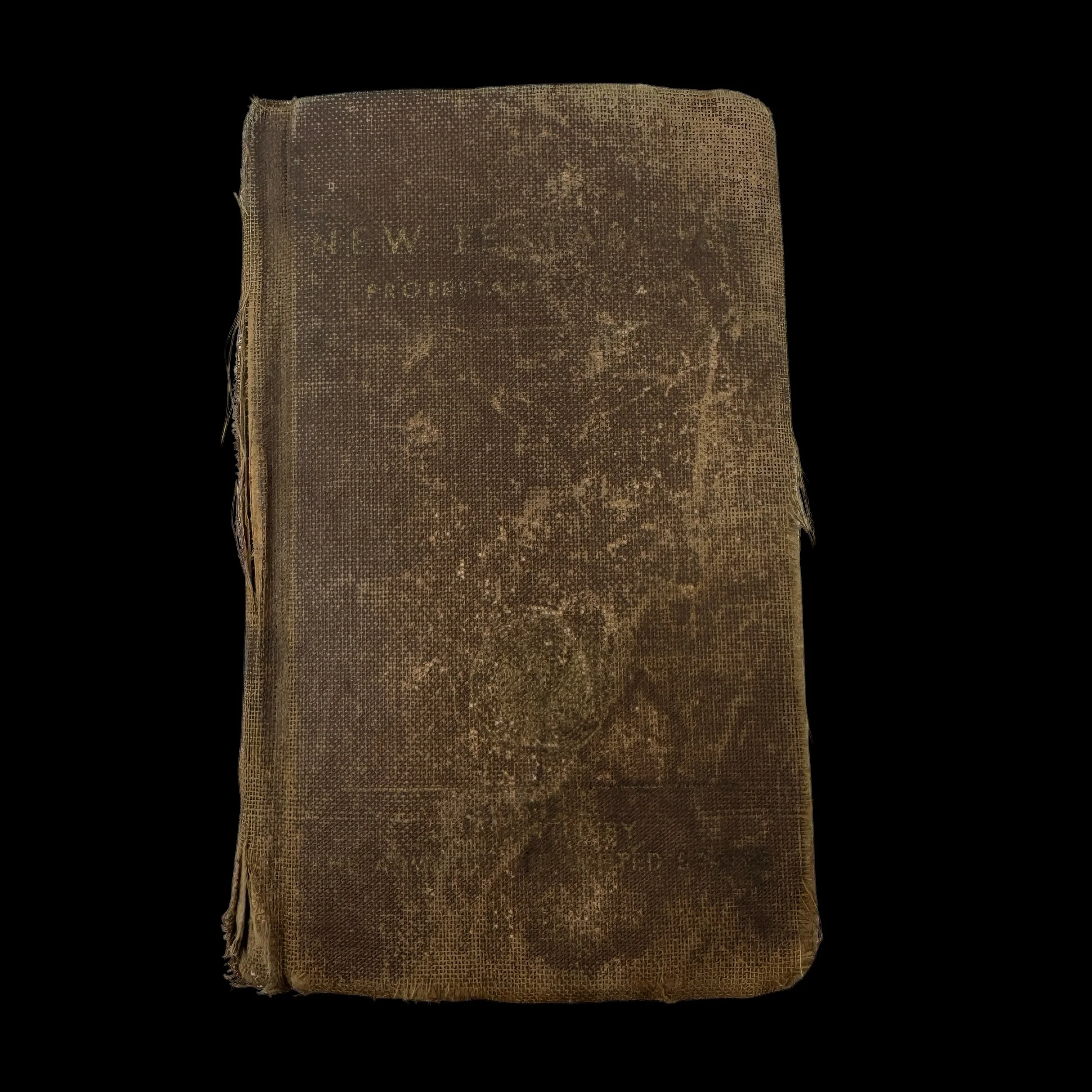
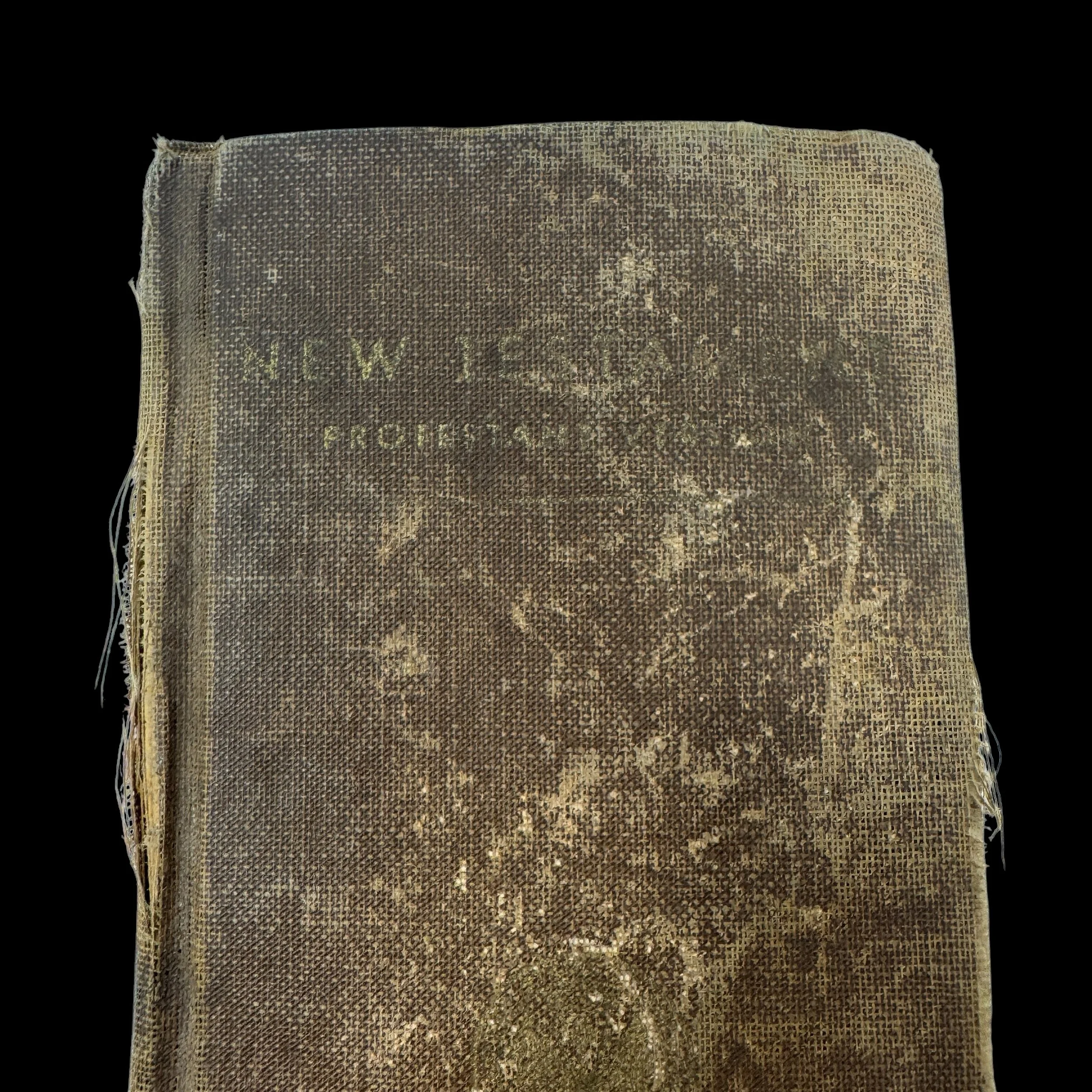
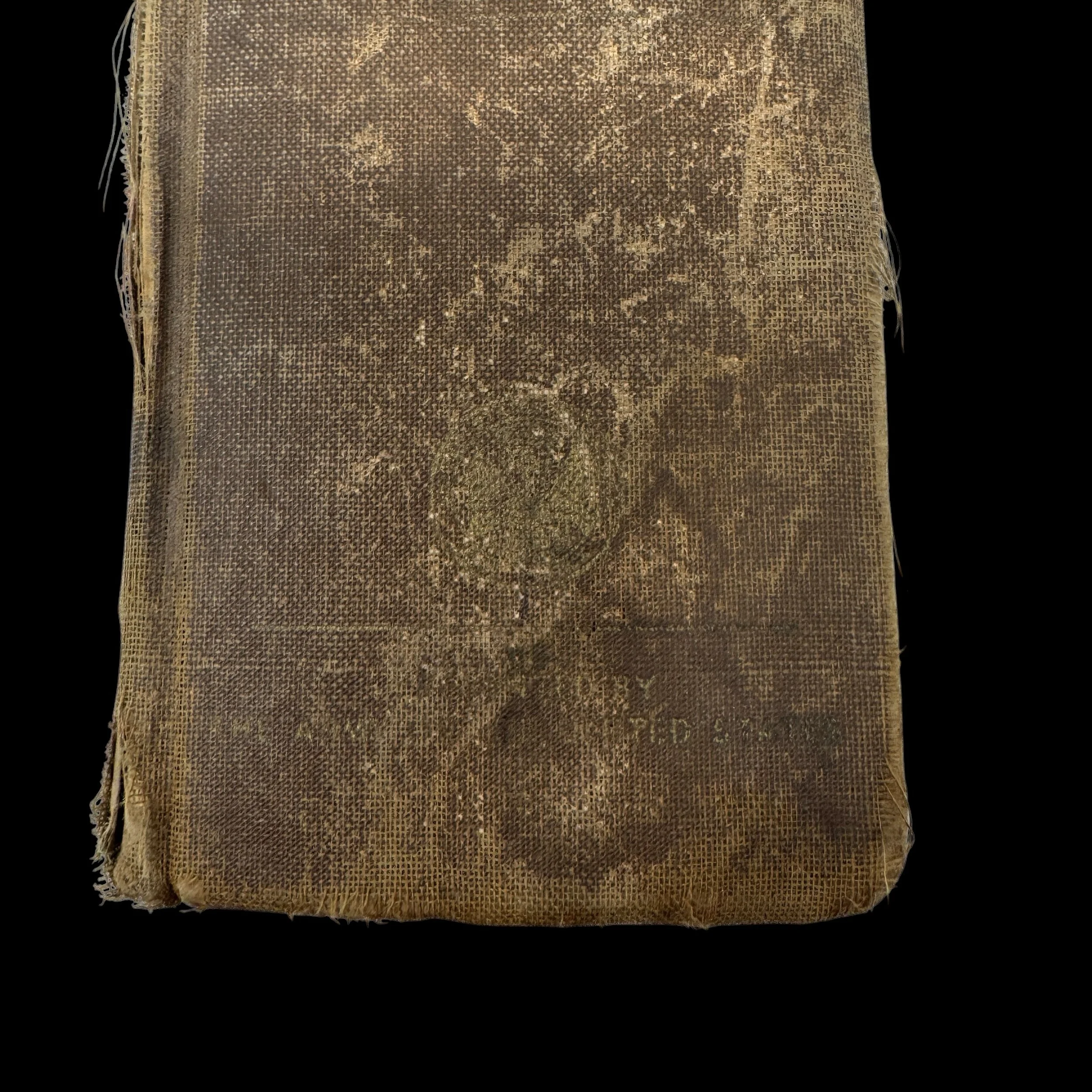
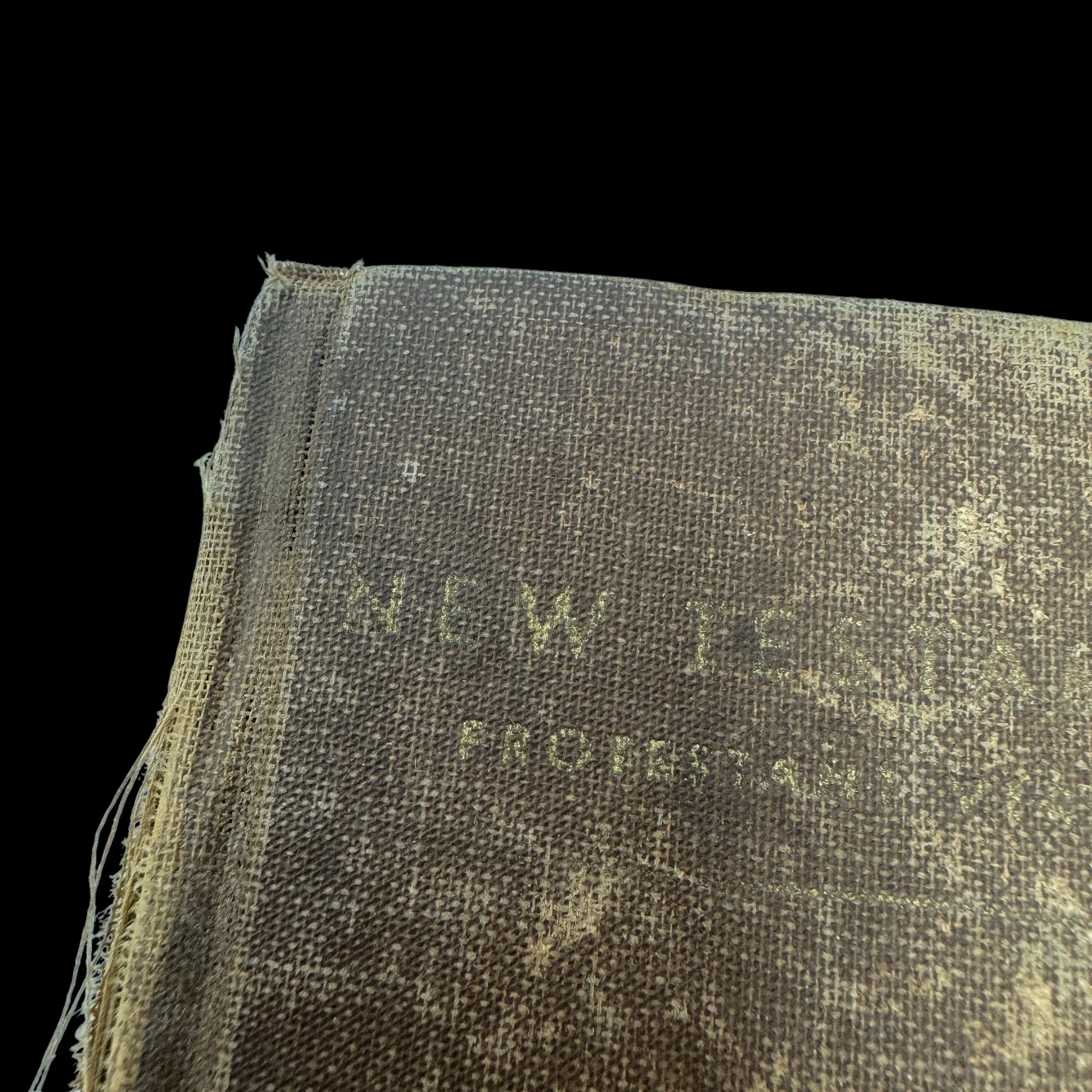
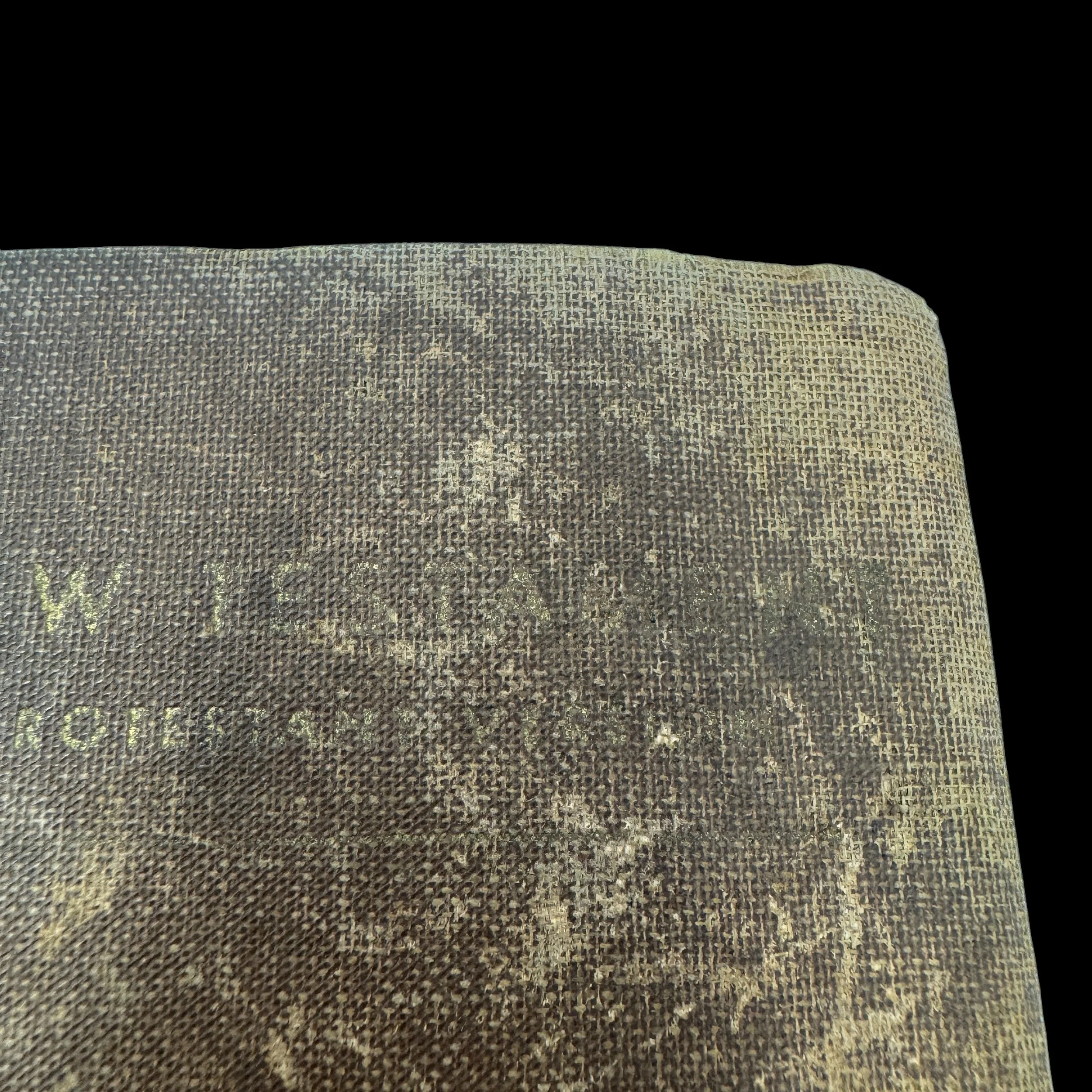
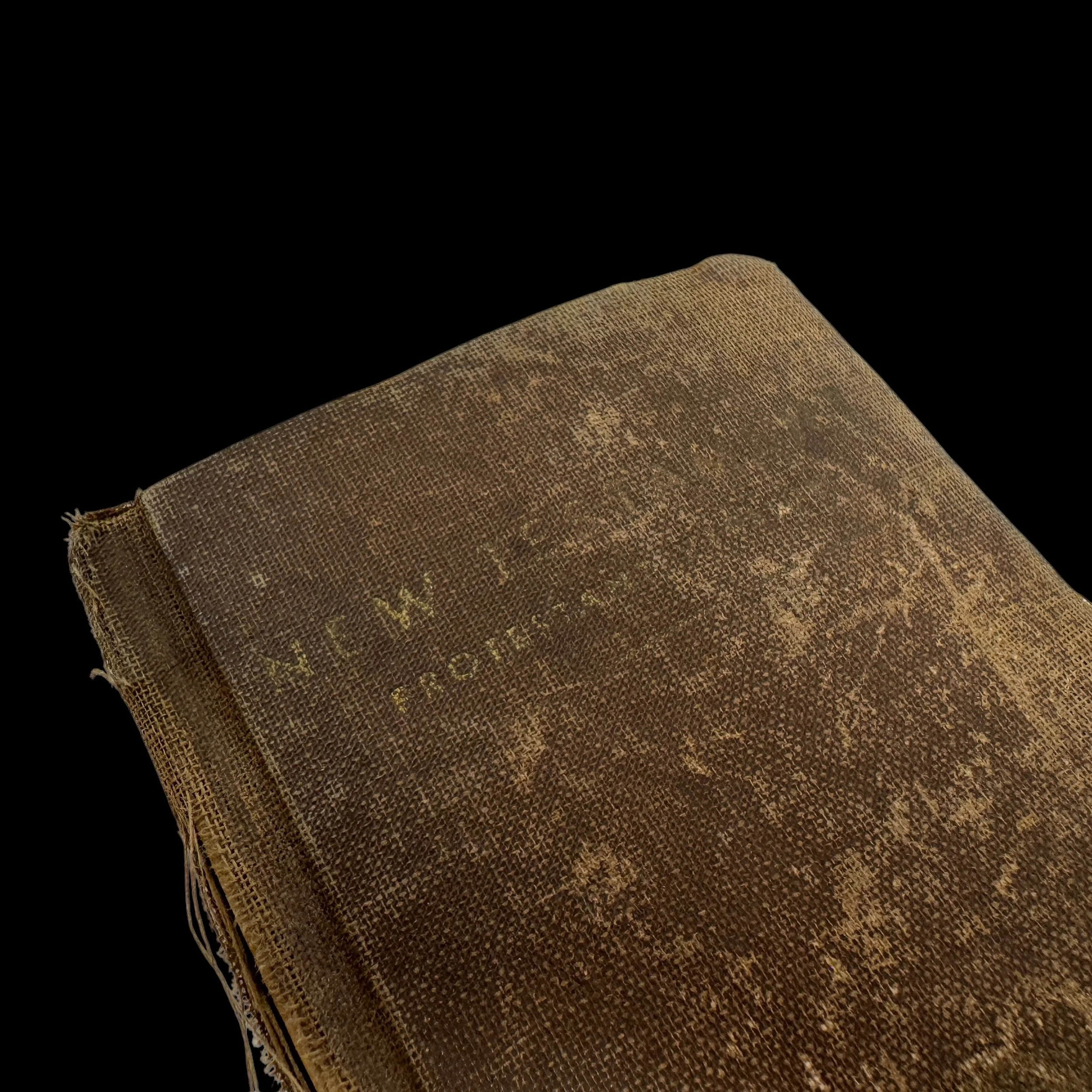
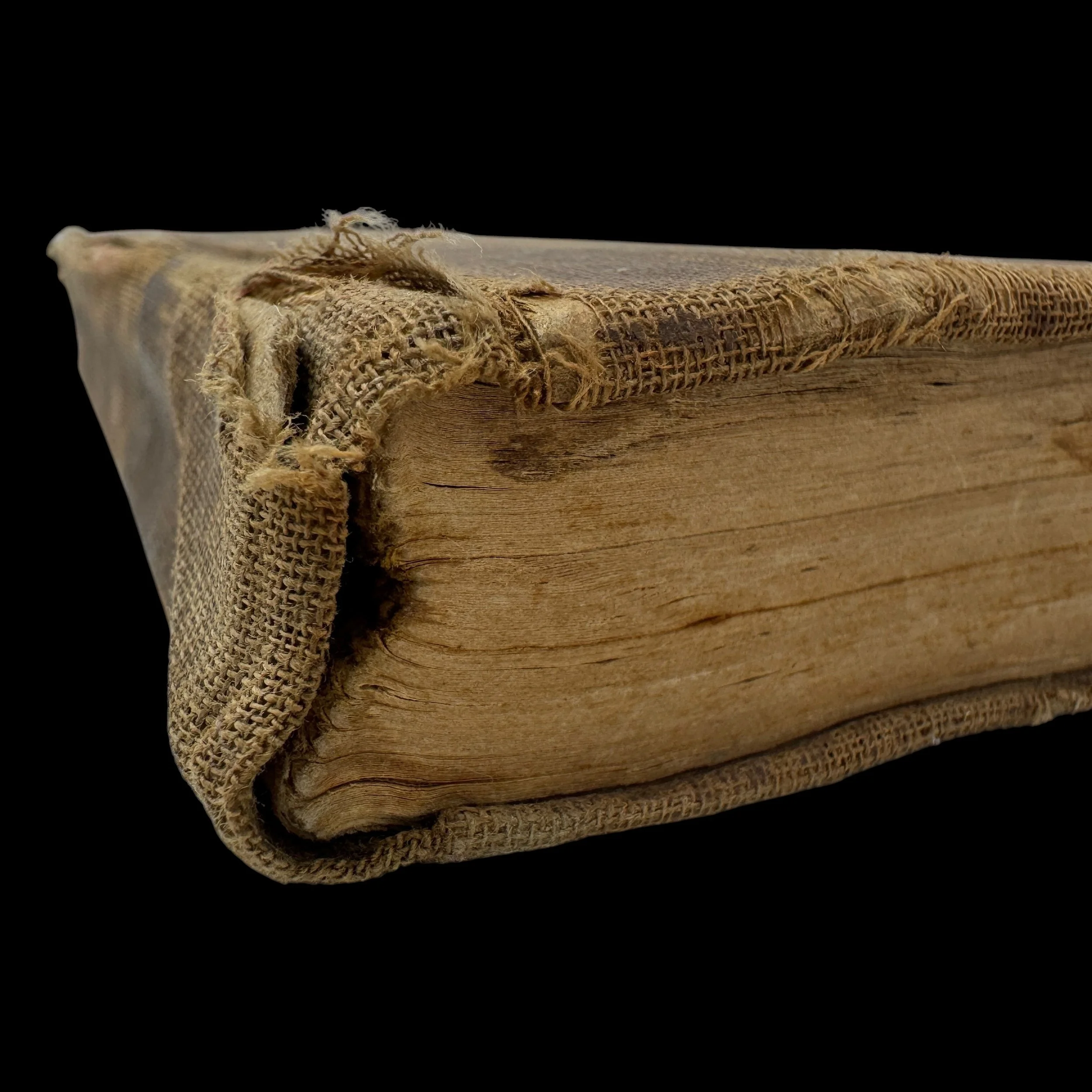
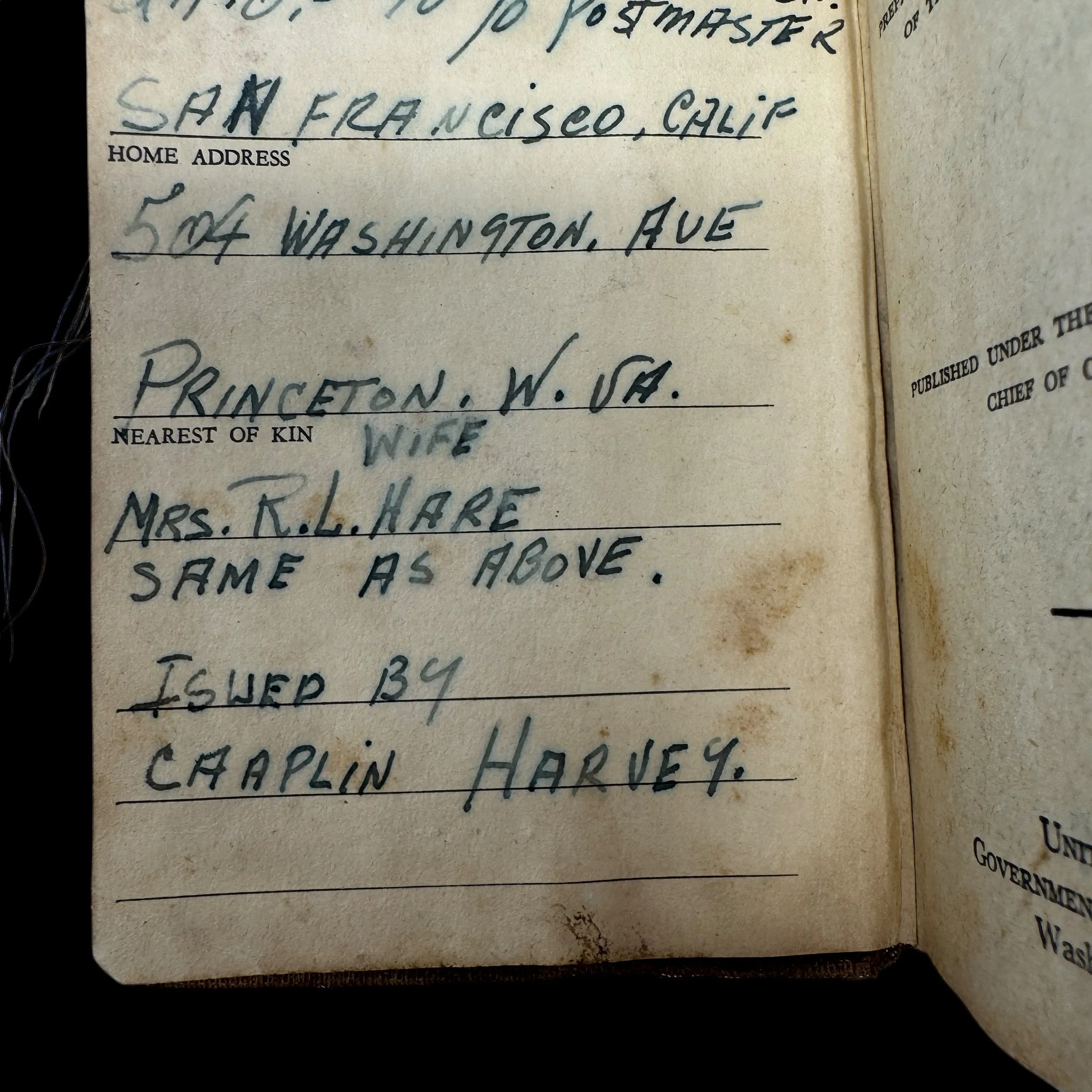
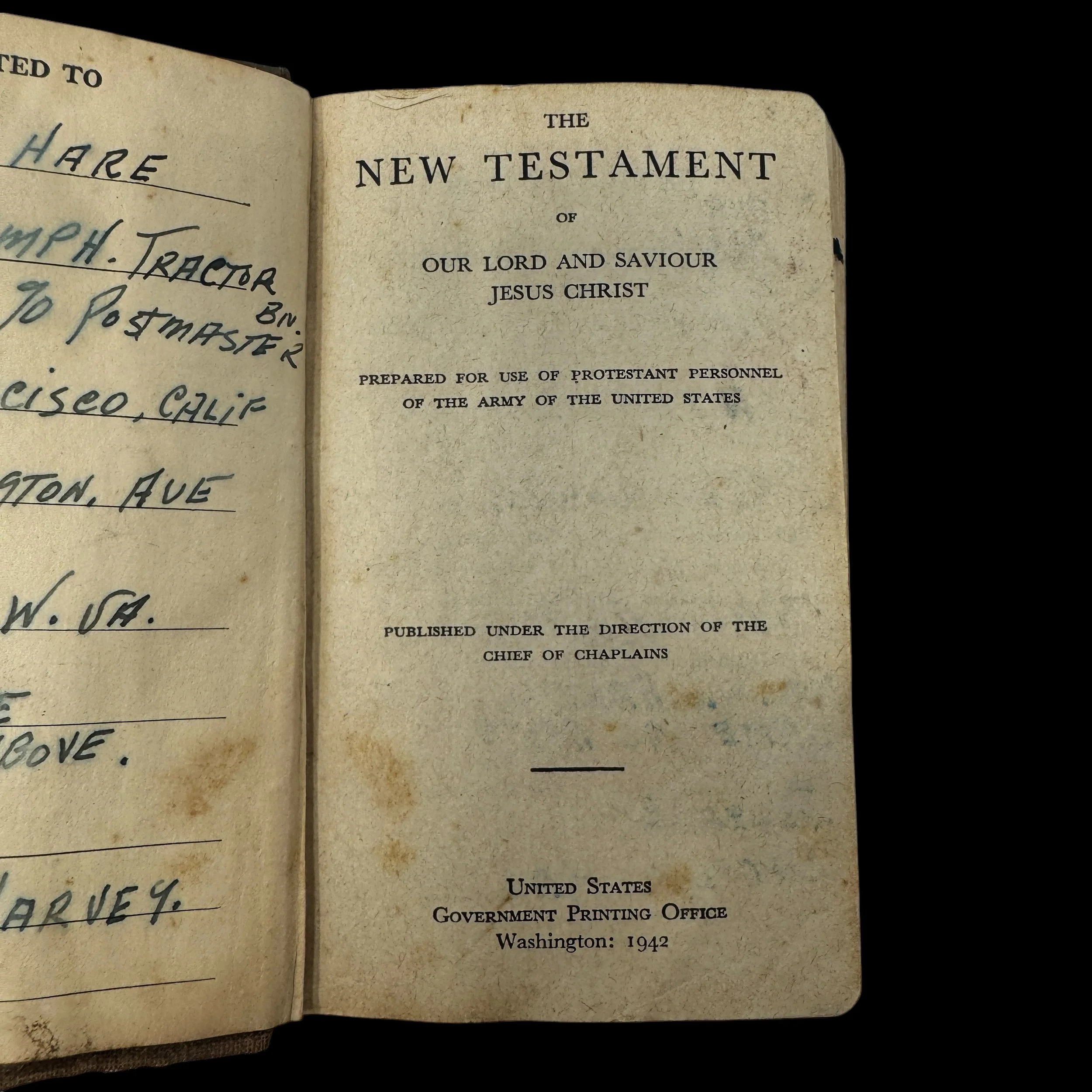
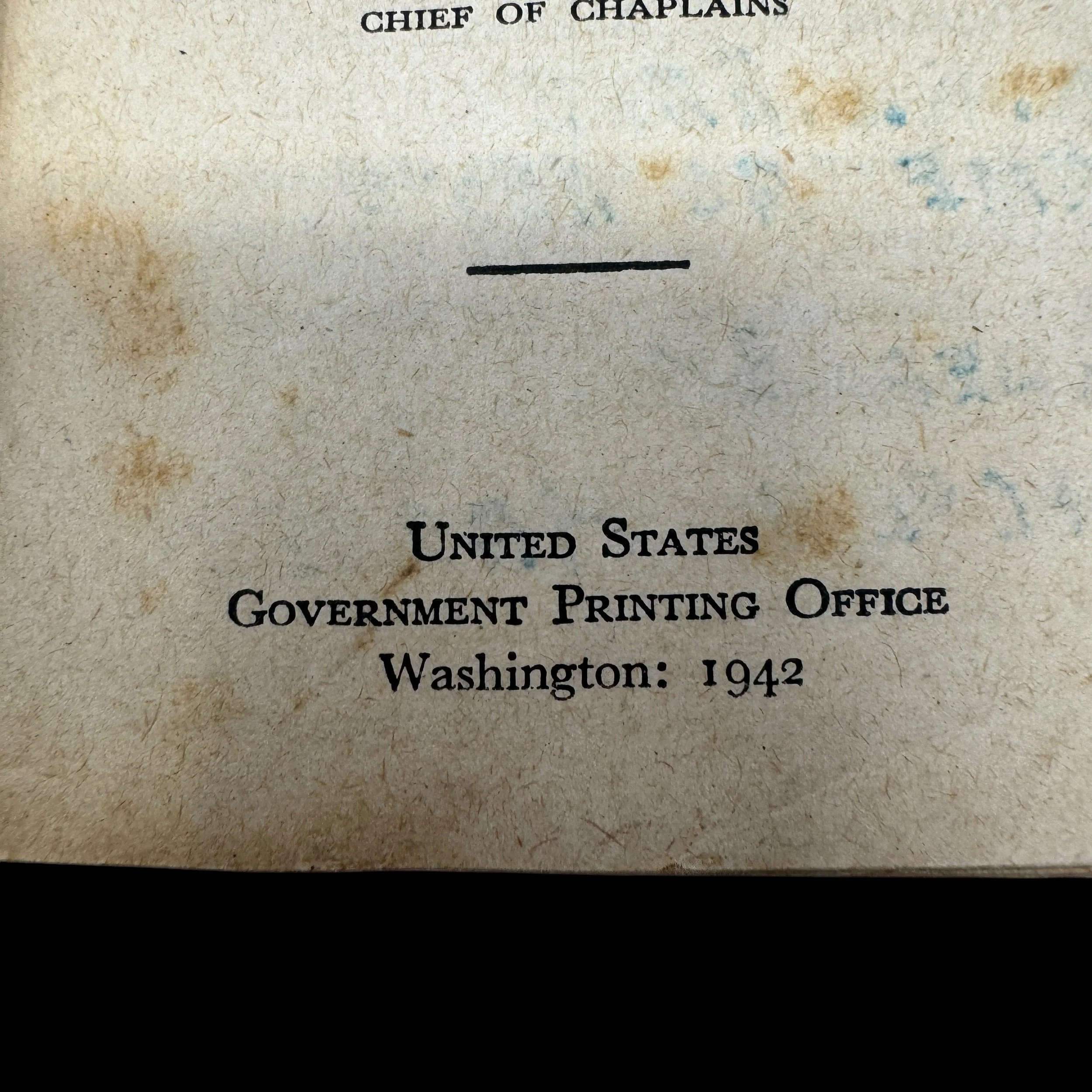
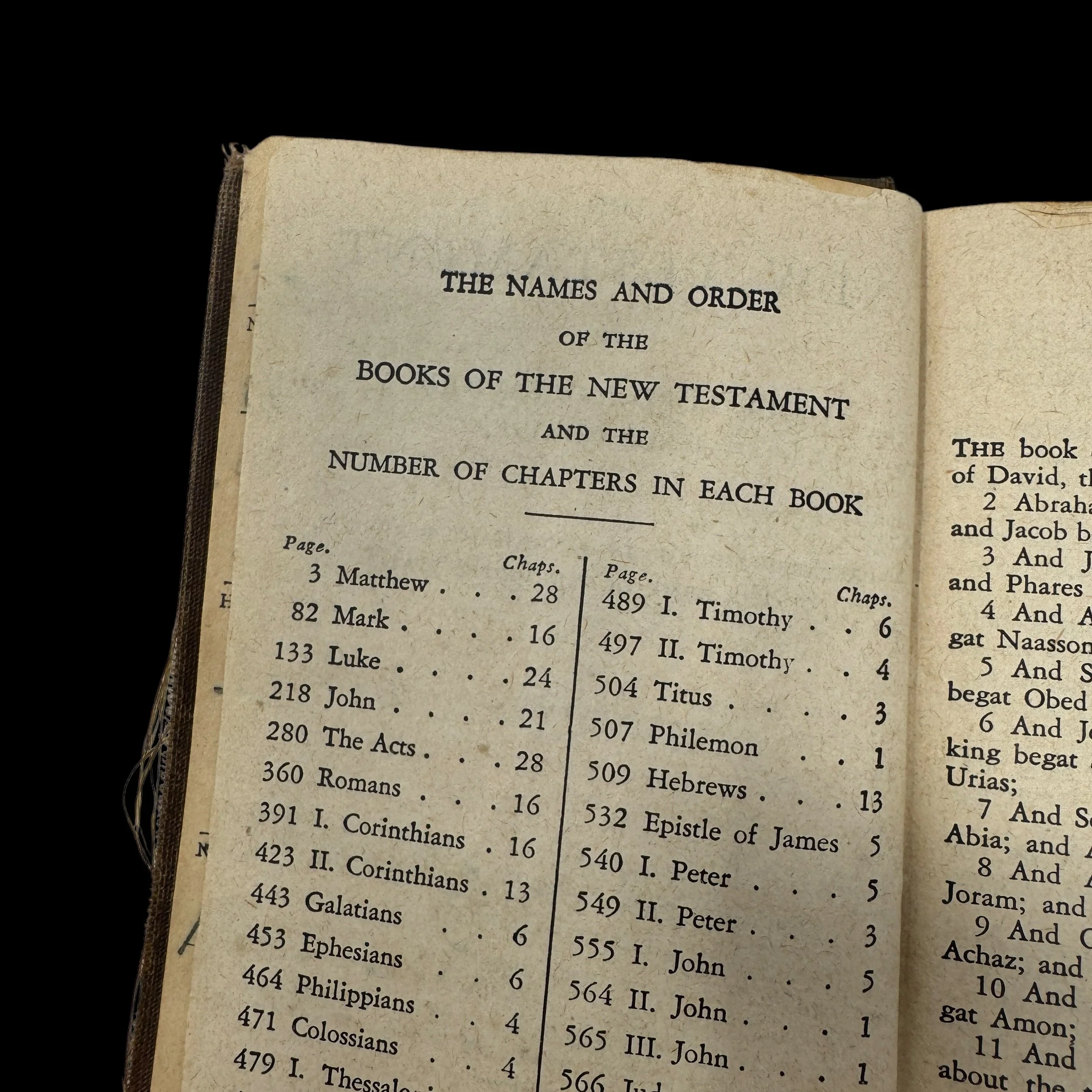
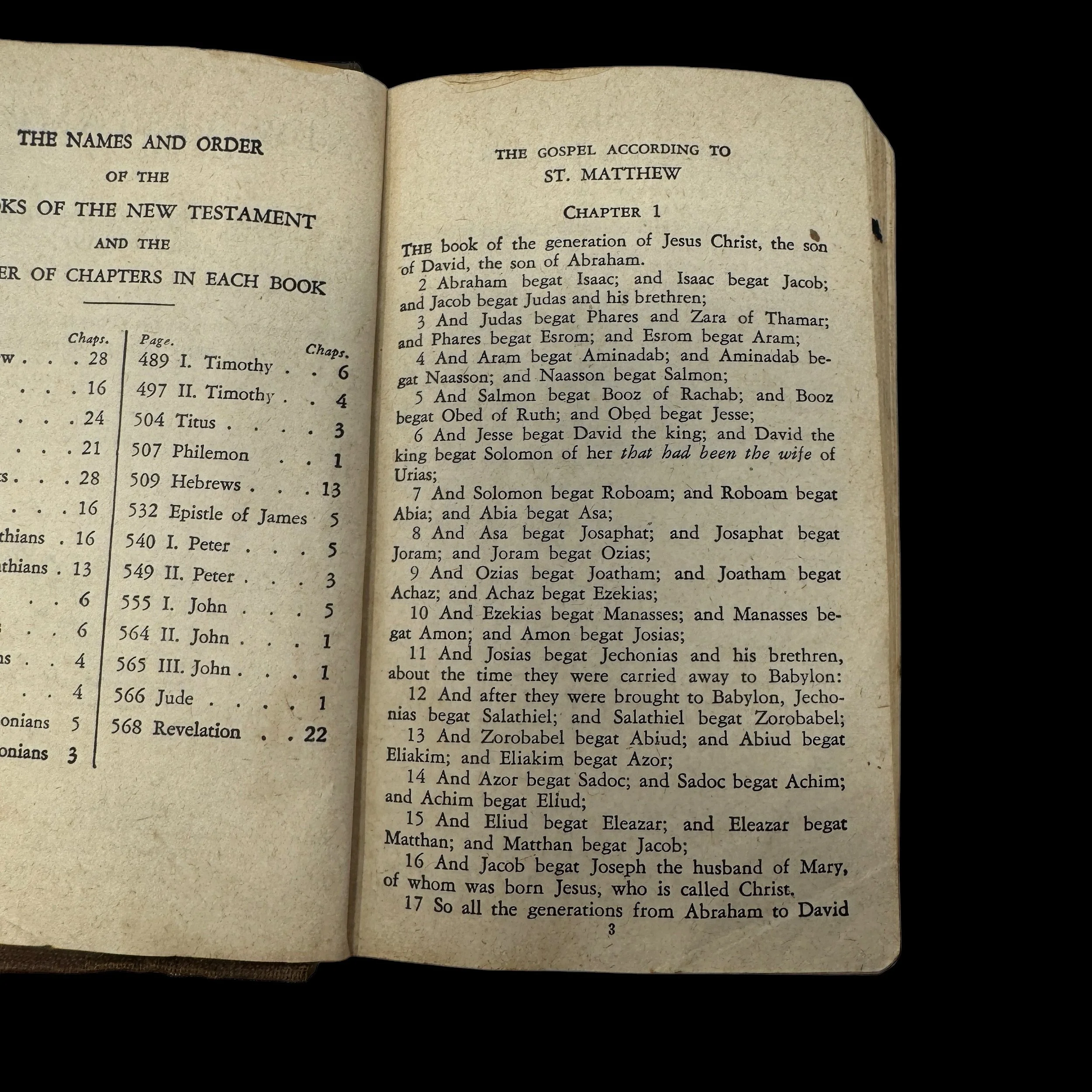
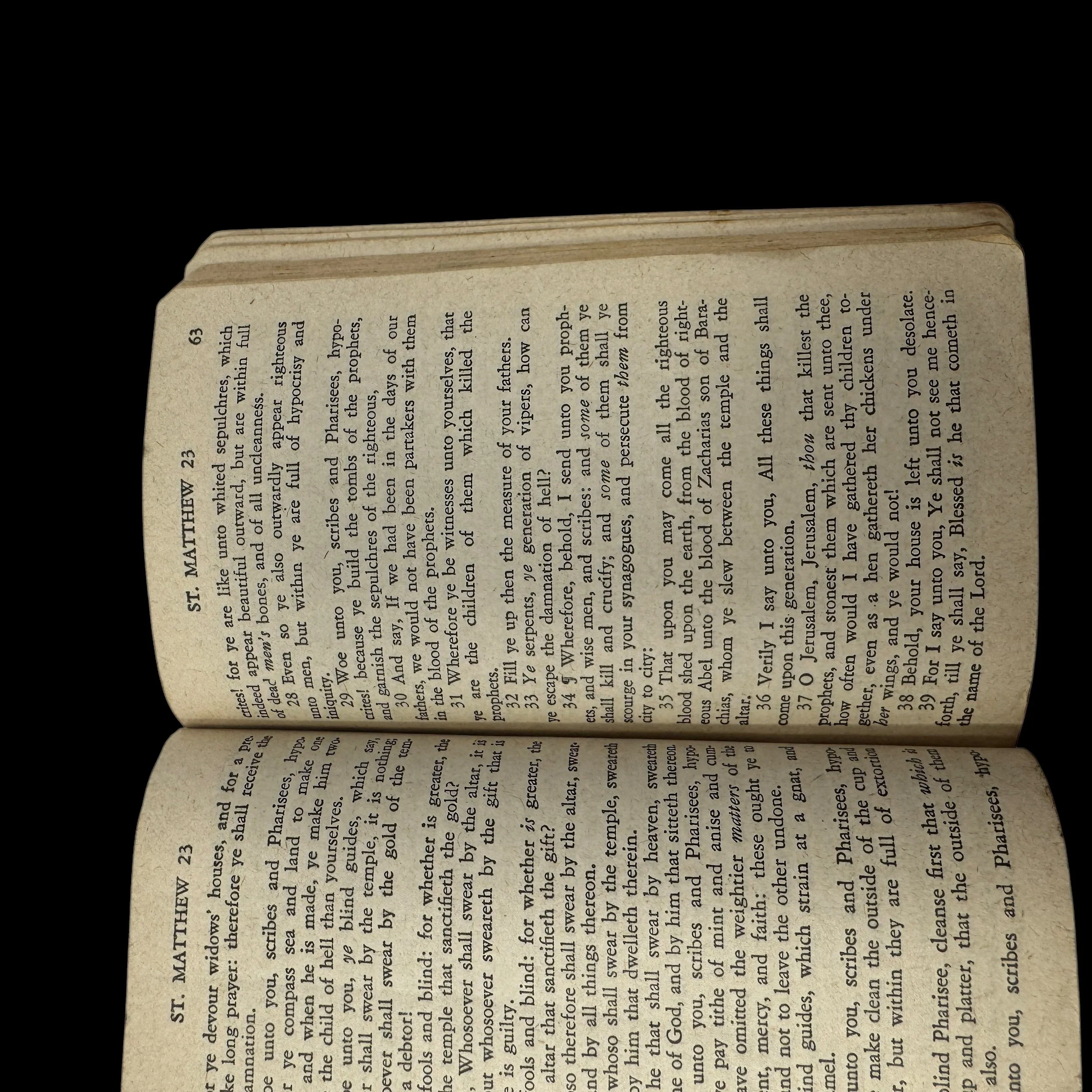
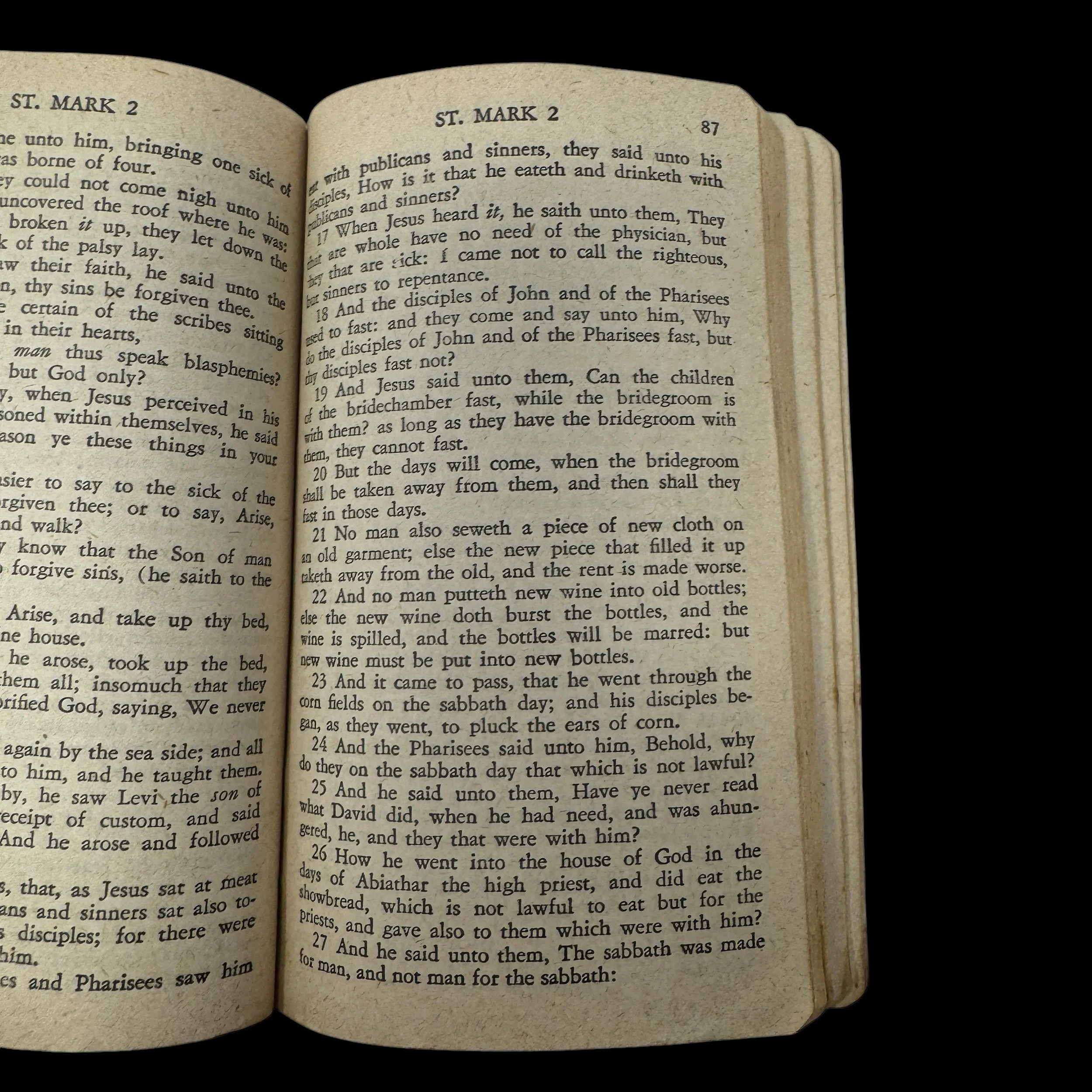
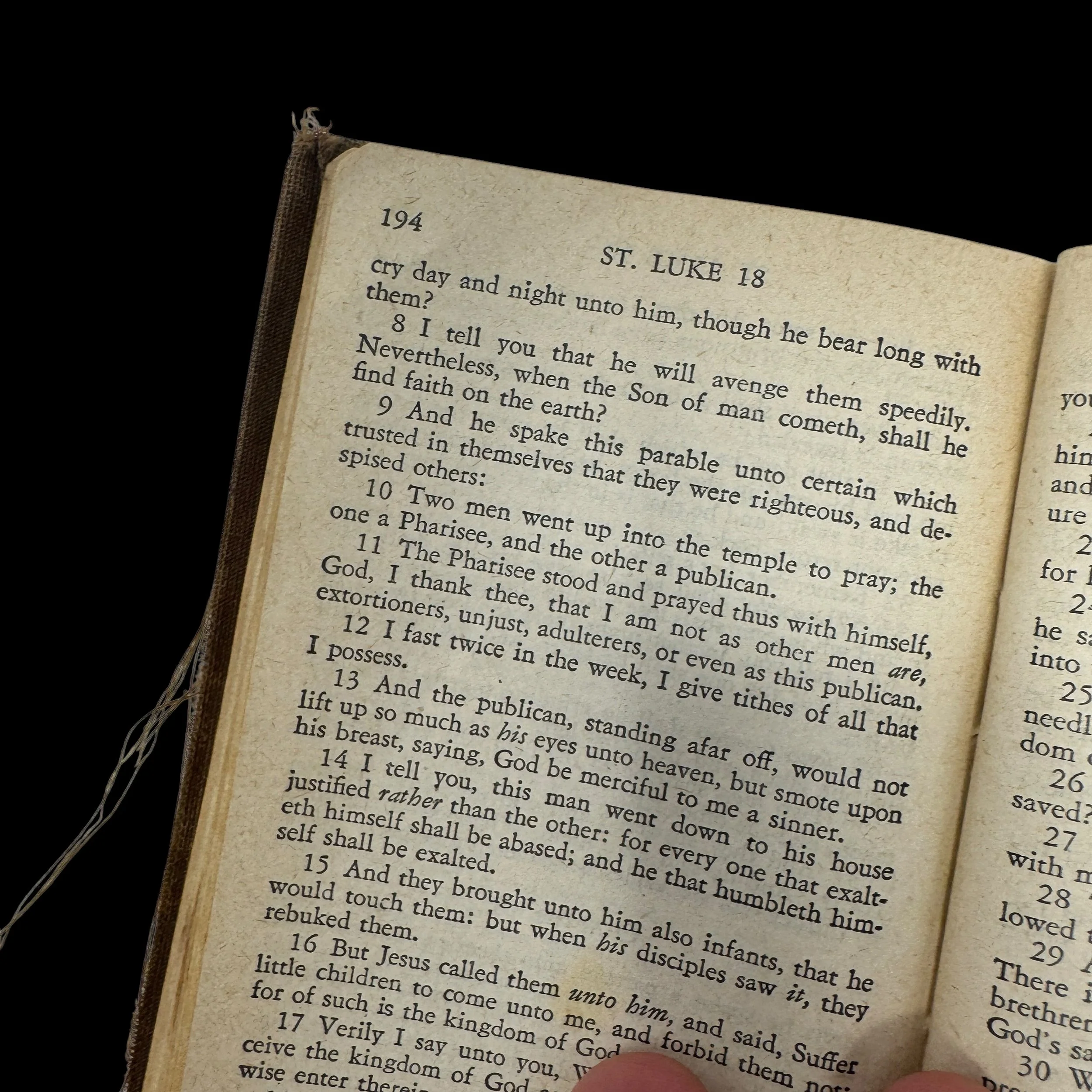
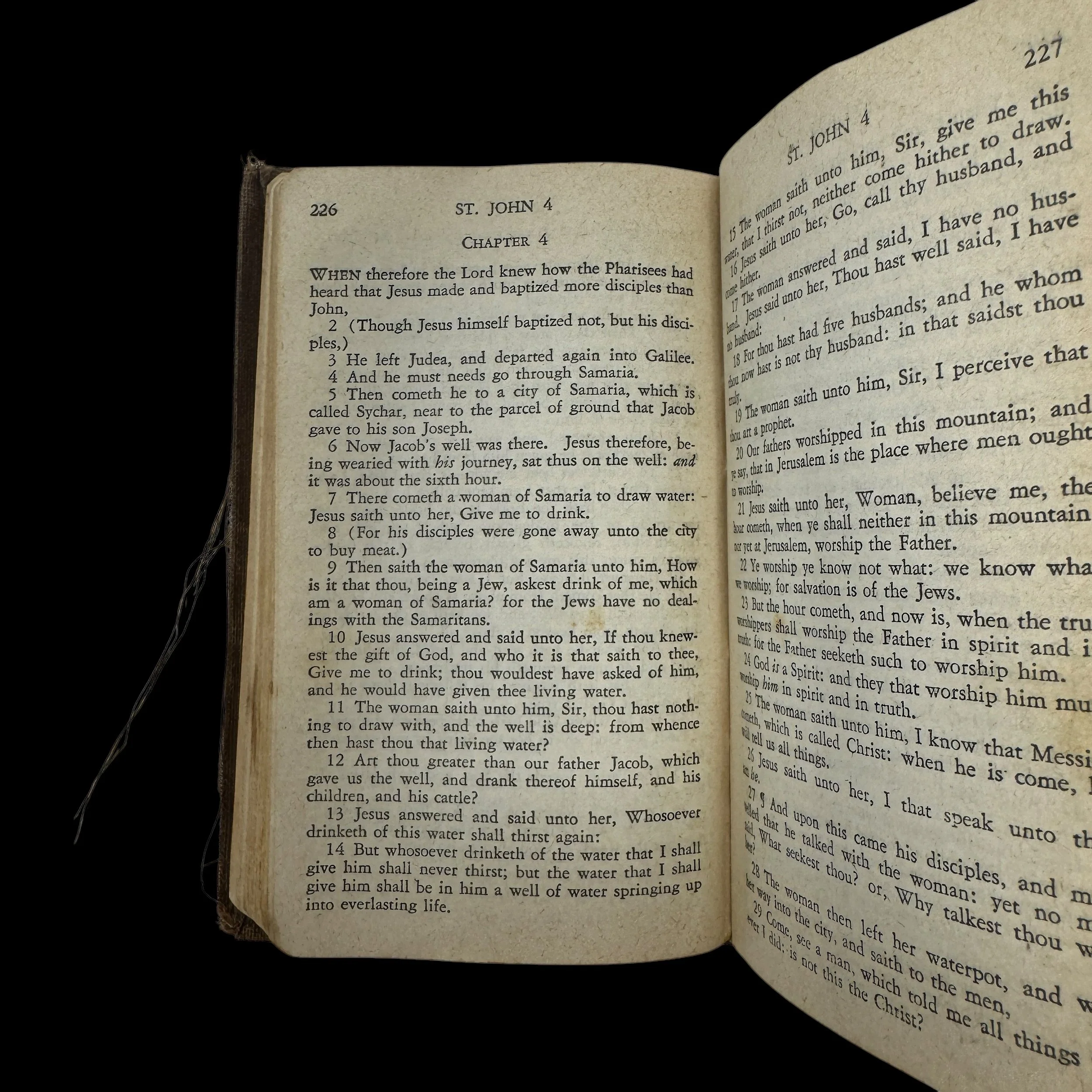
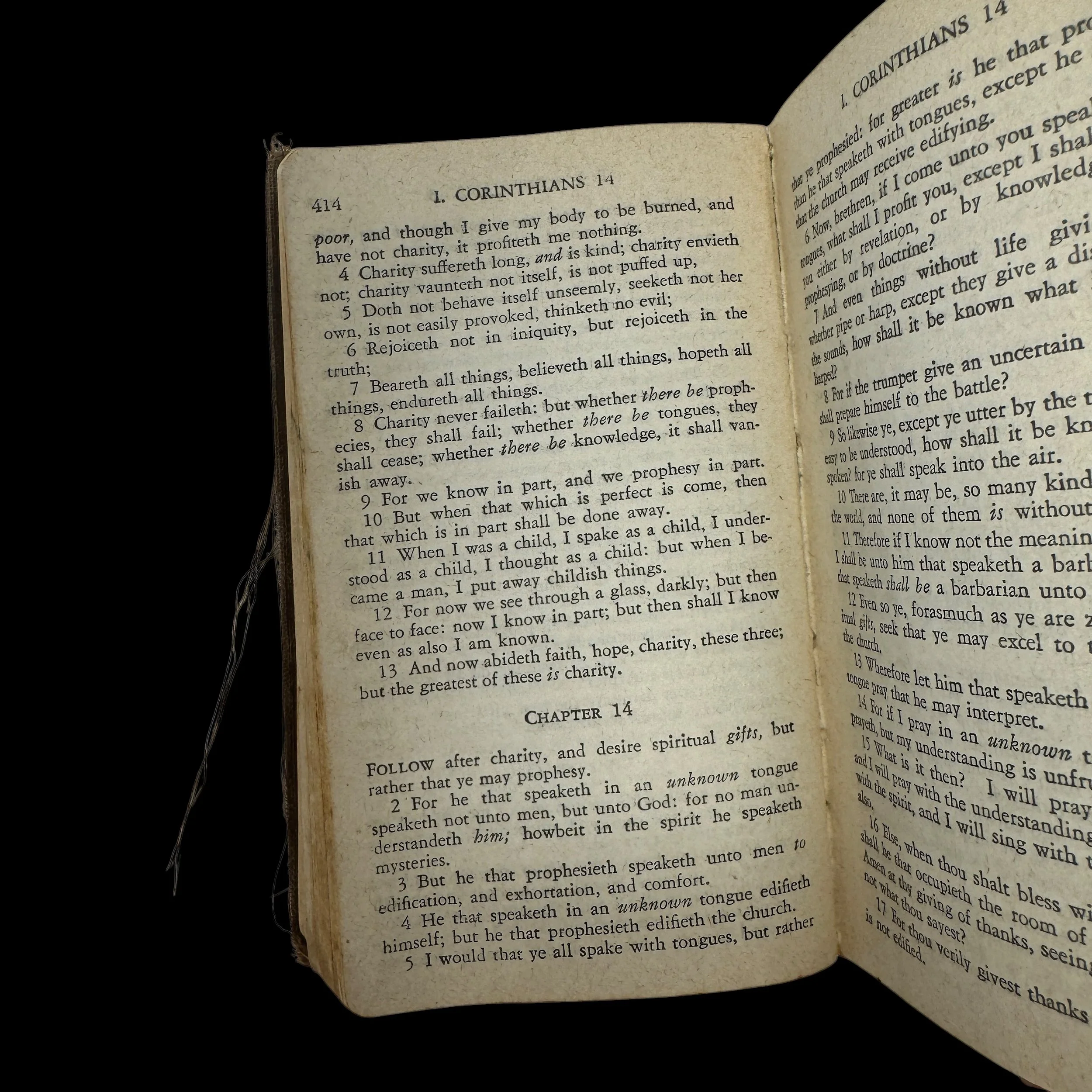
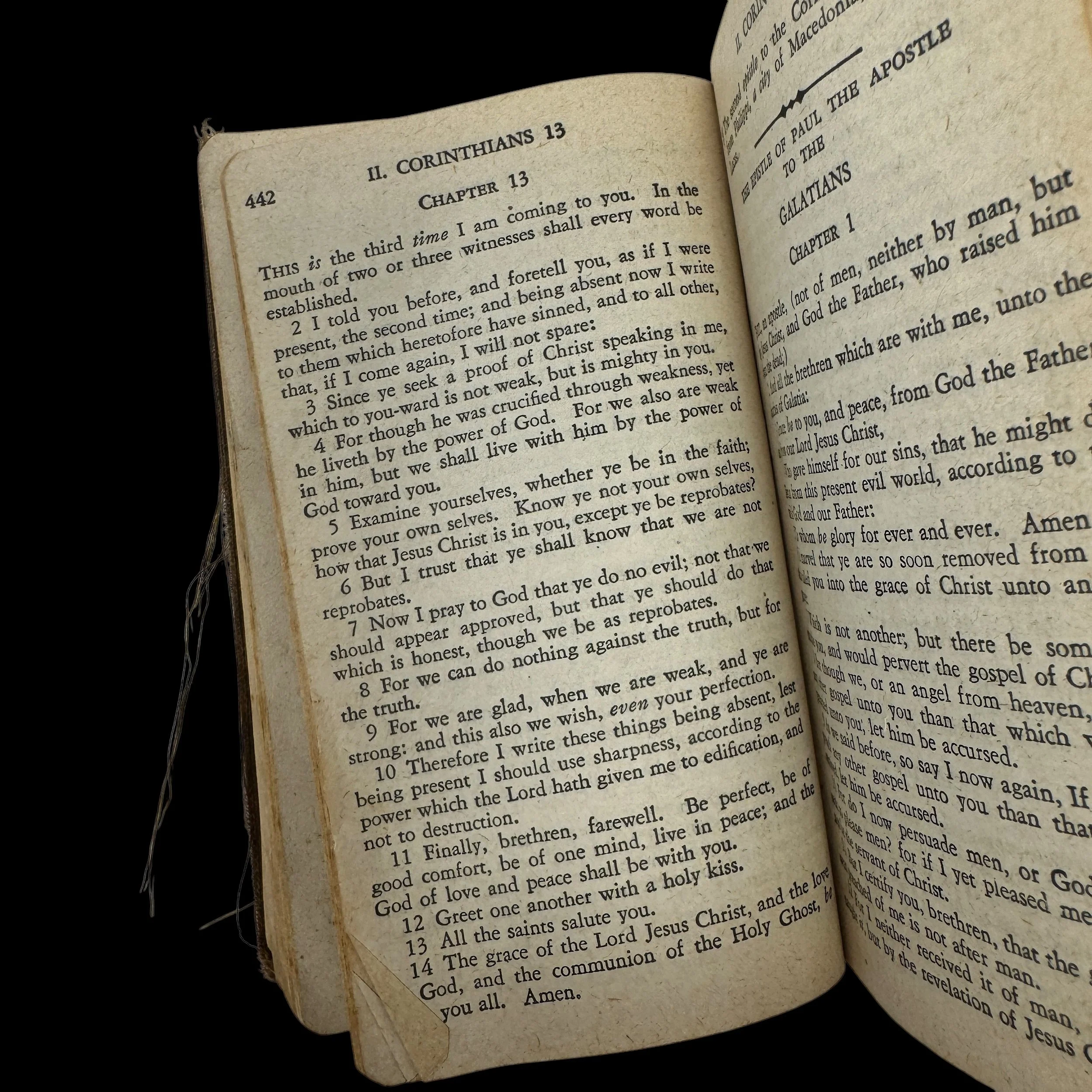
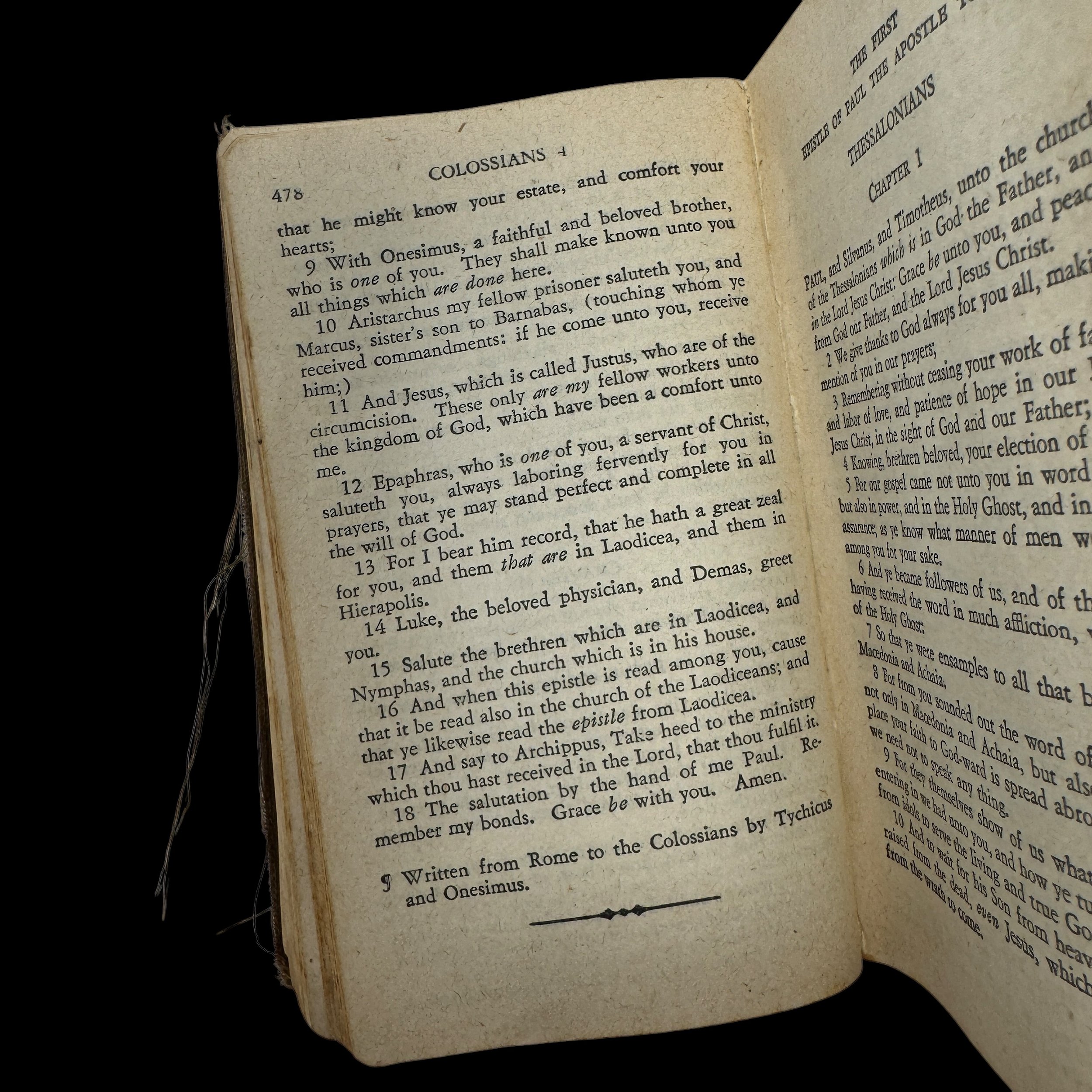
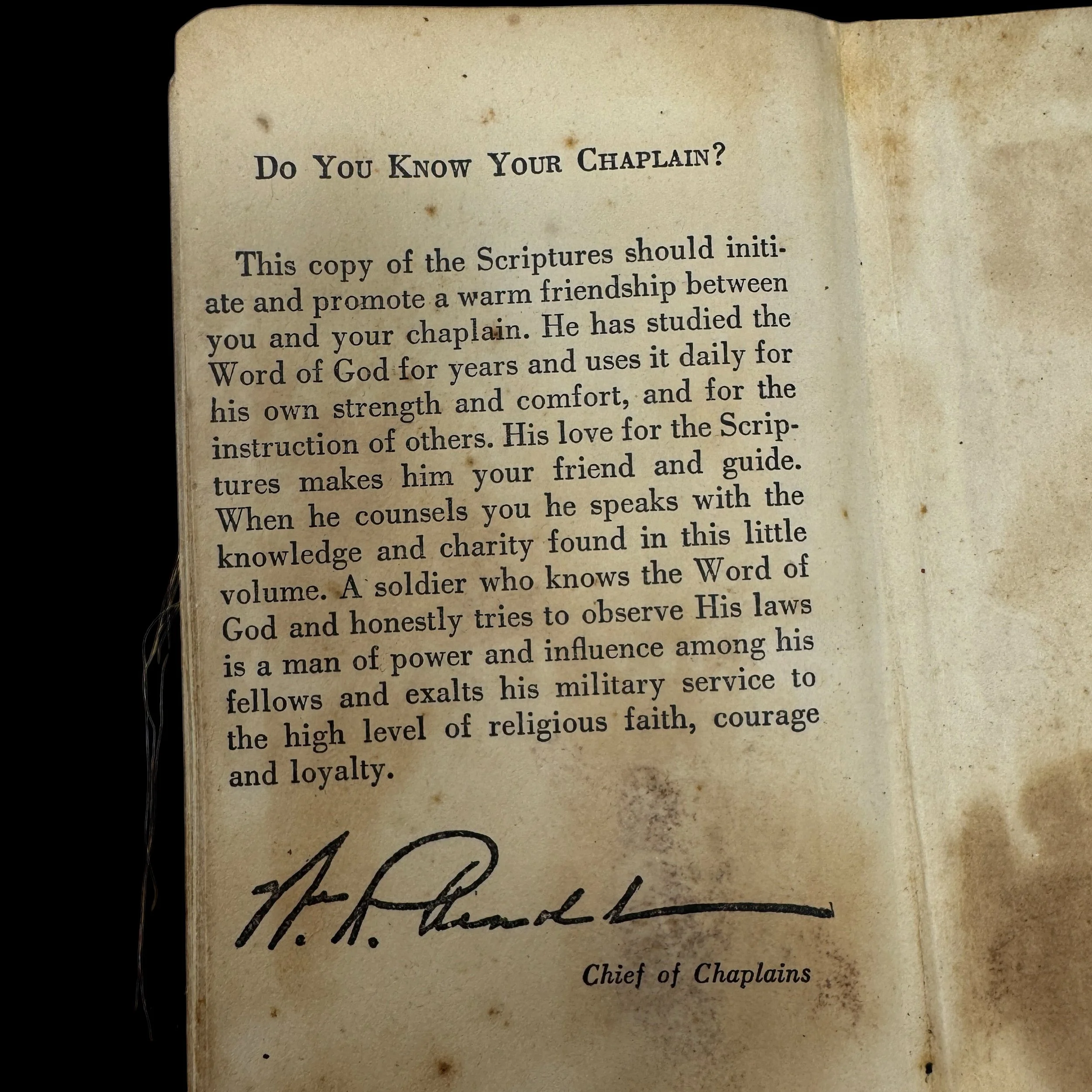
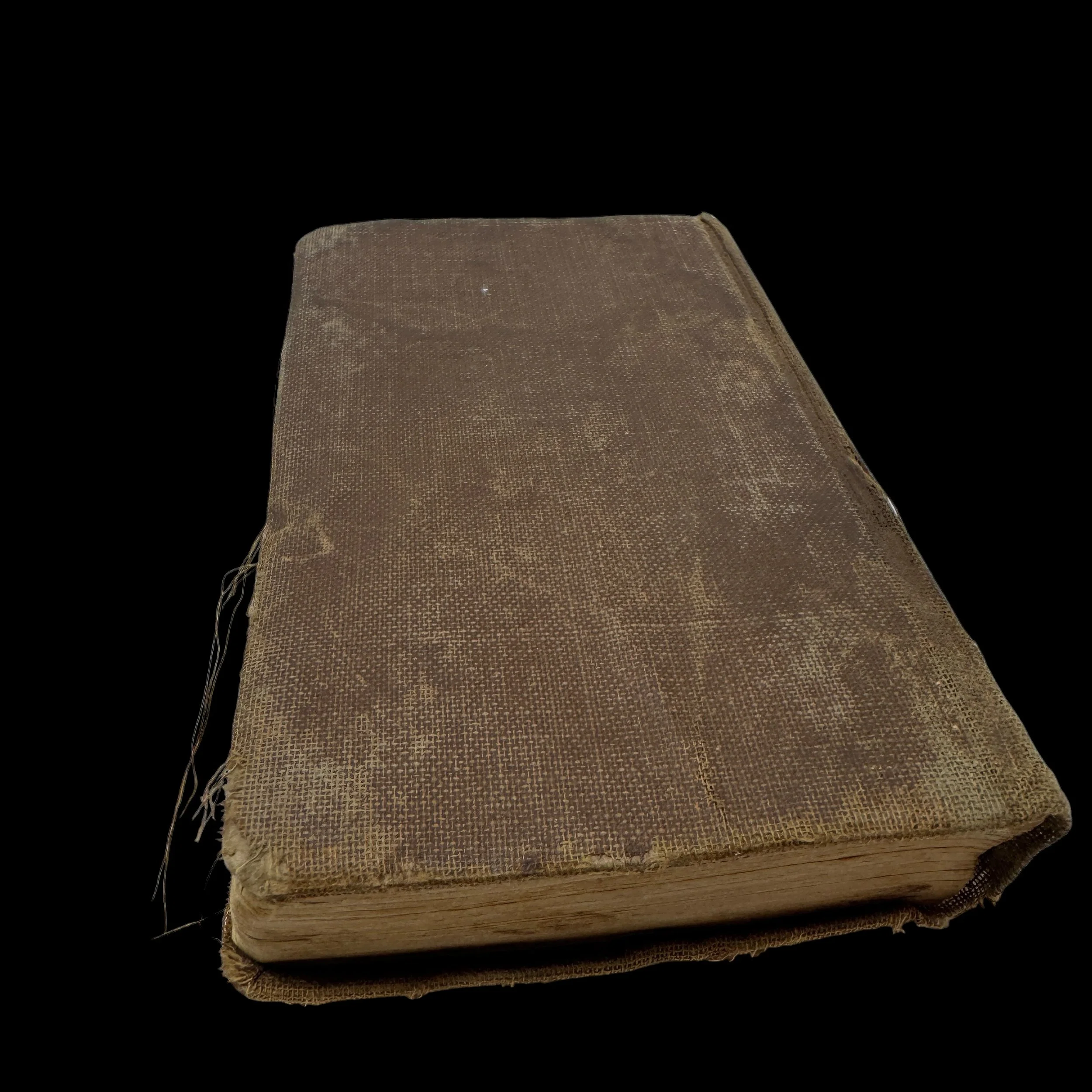
This original World War II United States Army New Testament was published in 1942 by the United States Government Printing Office in Washington, D.C., under the direction of the Army Chief of Chaplains. Specifically prepared for Protestant personnel serving in the United States Army, this military edition was personally issued to Robert L. Hare, Army Serial Number 33666110, a soldier assigned to the infamous 826th Amphibian Tractor Battalion. Its handwritten inscription identifies Hare's military assignment, his home address at 504 Washington Avenue in Princeton, West Virginia, and his wife, Mrs. R. L. Hare, as his nearest relative. The volume also identifies Chaplain Harvey as the individual who presented the New Testament to Hare, preserving a direct connection to the United States Army Chaplain Corps and its important role in supporting American servicemen during World War II.
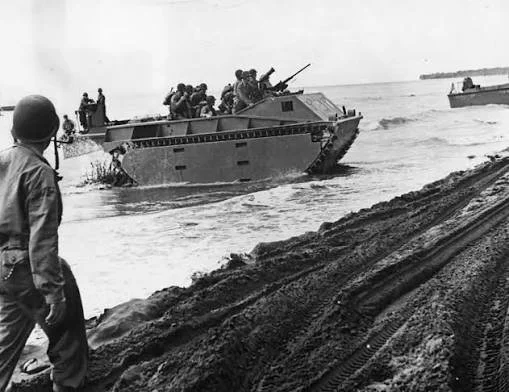
The 826th Amphibian Tractor Battalion was a specialized United States Army unit trained to operate amphibious tracked vehicles known as Landing Vehicles, Tracked (LVTs), commonly called Amtracs. These vehicles were essential to amphibious operations throughout the Pacific Theater, transporting American soldiers, ammunition, equipment, and supplies from offshore vessels across shallow coastal waters, coral reefs, and contested beaches. Originally organized as the 826th Tank Destroyer Battalion, the unit was redesignated as an amphibian tractor battalion at Fort Ord, California, on April 18, 1944. Following specialized training, the battalion departed the United States on August 15, 1944, arriving in the Admiralty Islands on September 19. Elements of the battalion subsequently participated in the Leyte Campaign beginning in October 1944, supporting the American effort to liberate the Philippines from Japanese occupation.
The battalion's most significant operations included the invasion of Luzon on January 9, 1945, when American forces of General Douglas MacArthur's Sixth Army launched a massive amphibious assault at Lingayen Gulf. Operating in association with the 43rd Infantry Division, the 826th Amphibian Tractor Battalion supported the landing and movement of American troops and supplies during the campaign to reclaim the Philippines' largest island. Company B formed part of this battalion during its Pacific service. The landings at Lingayen Gulf established critical American beachheads and initiated an extended campaign against entrenched Japanese forces across Luzon. The battalion continued its operations in the Philippines during 1945, contributing to the transportation and logistical support necessary for sustained combat operations.
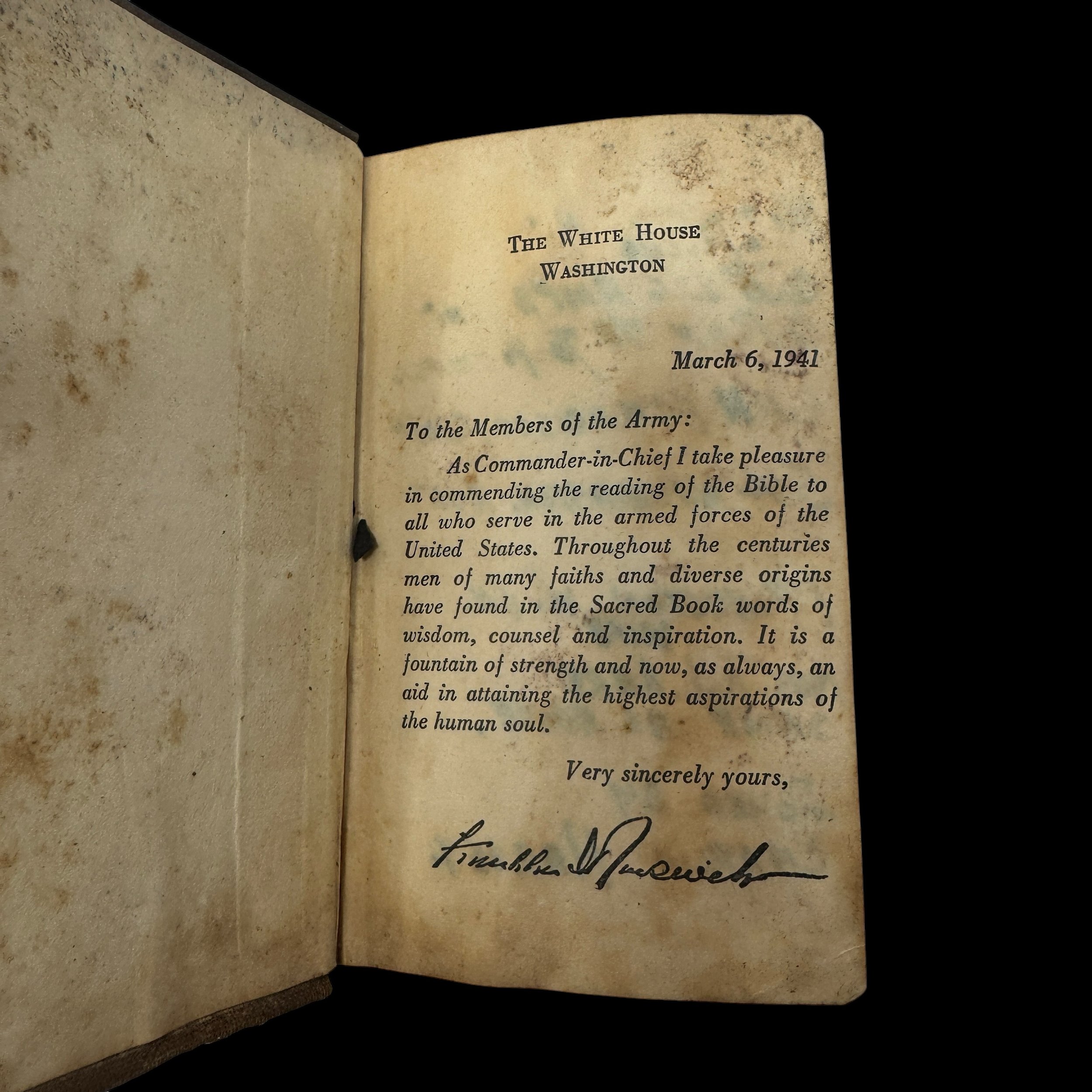
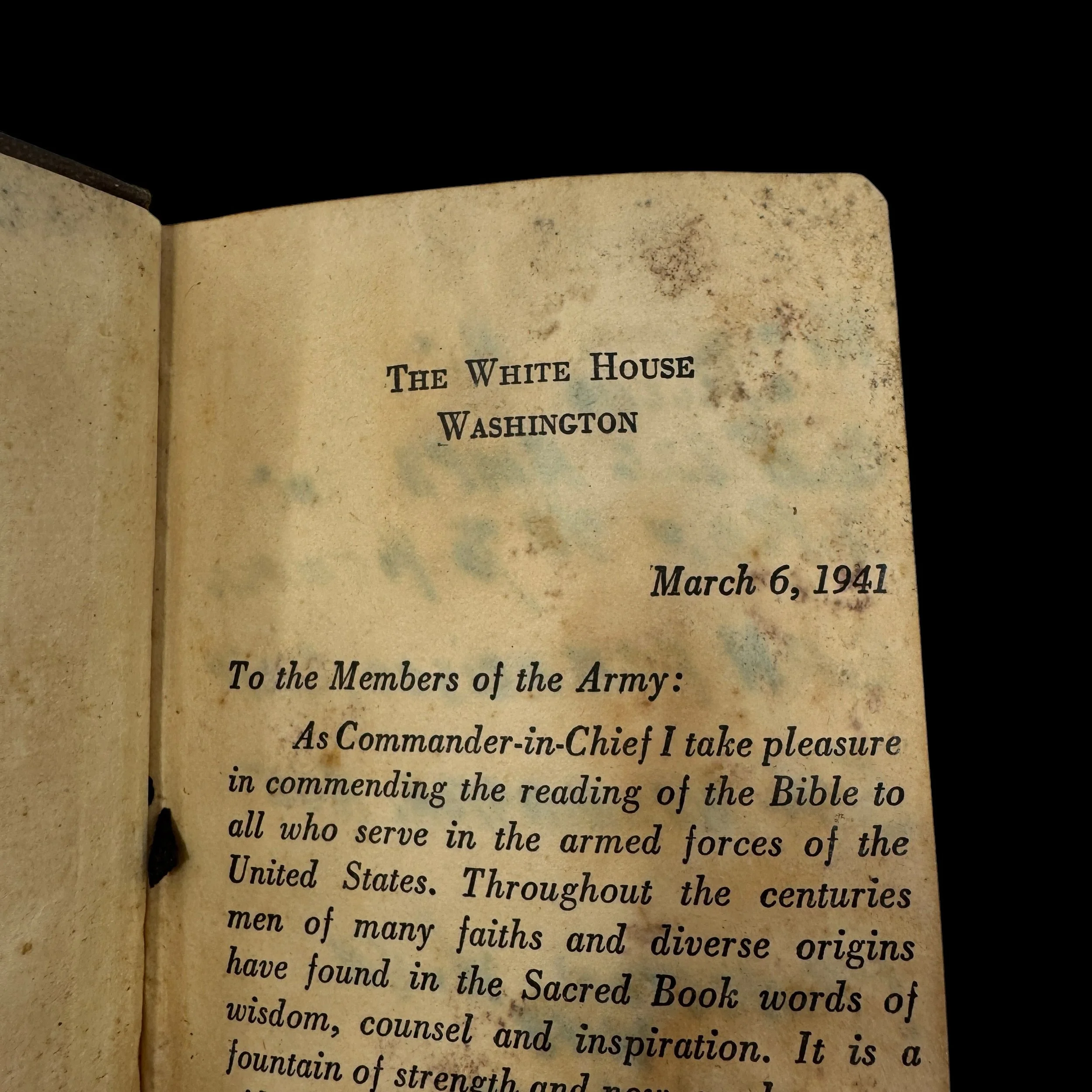
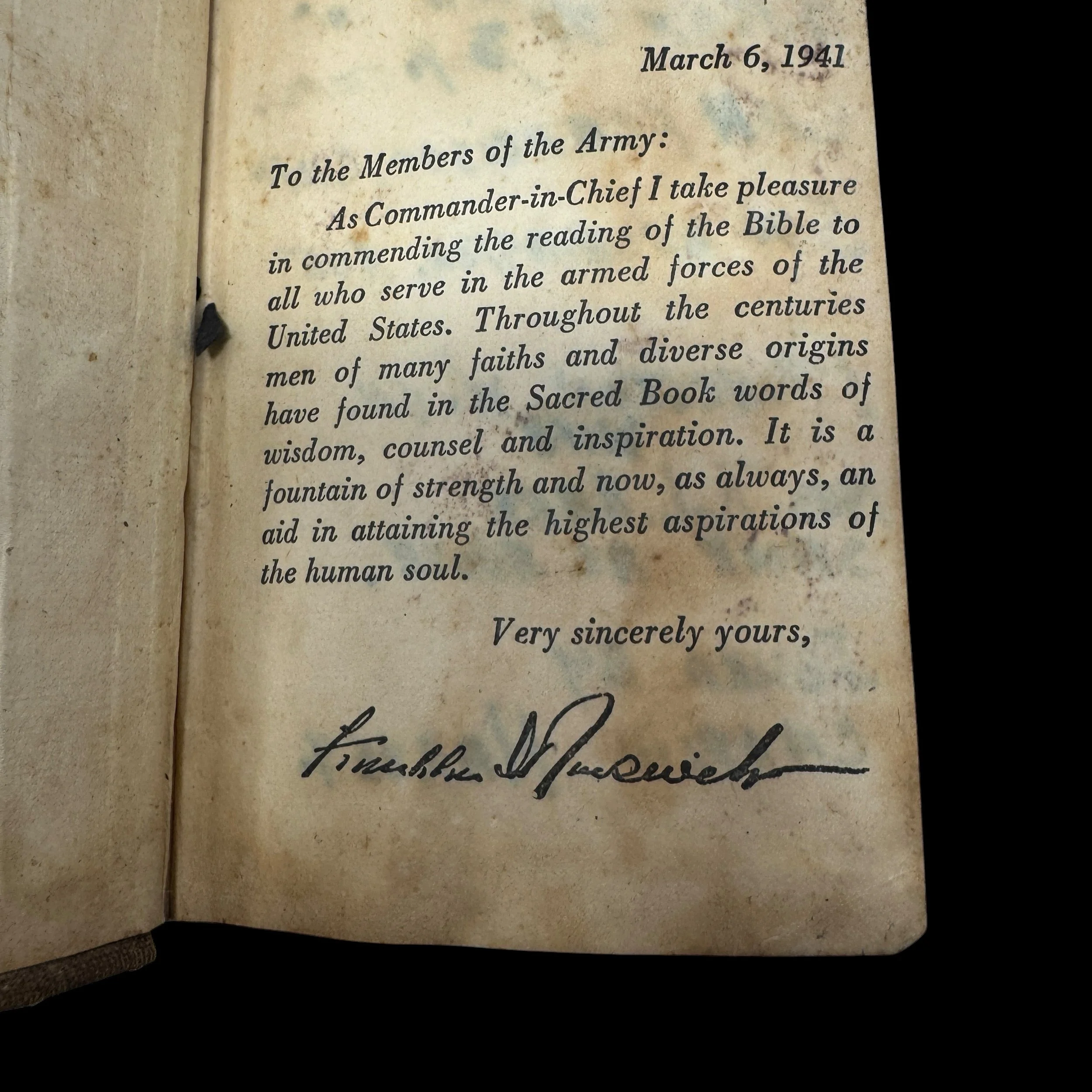
The New Testament also contains a printed presidential message dated March 6, 1941, from President Franklin D. Roosevelt, encouraging members of the United States Army to seek wisdom, guidance, and spiritual strength through reading the Bible. Written before America's entry into World War II following the attack on Pearl Harbor, the message reflects the importance of religious faith and morale within the rapidly expanding American armed forces. Army chaplains distributed religious literature, conducted worship services, counseled soldiers, and provided spiritual assistance throughout training, overseas deployment, and combat. For American servicemen separated from their families and facing the uncertainties of war, personal religious volumes such as this provided comfort, encouragement, and a connection to home.