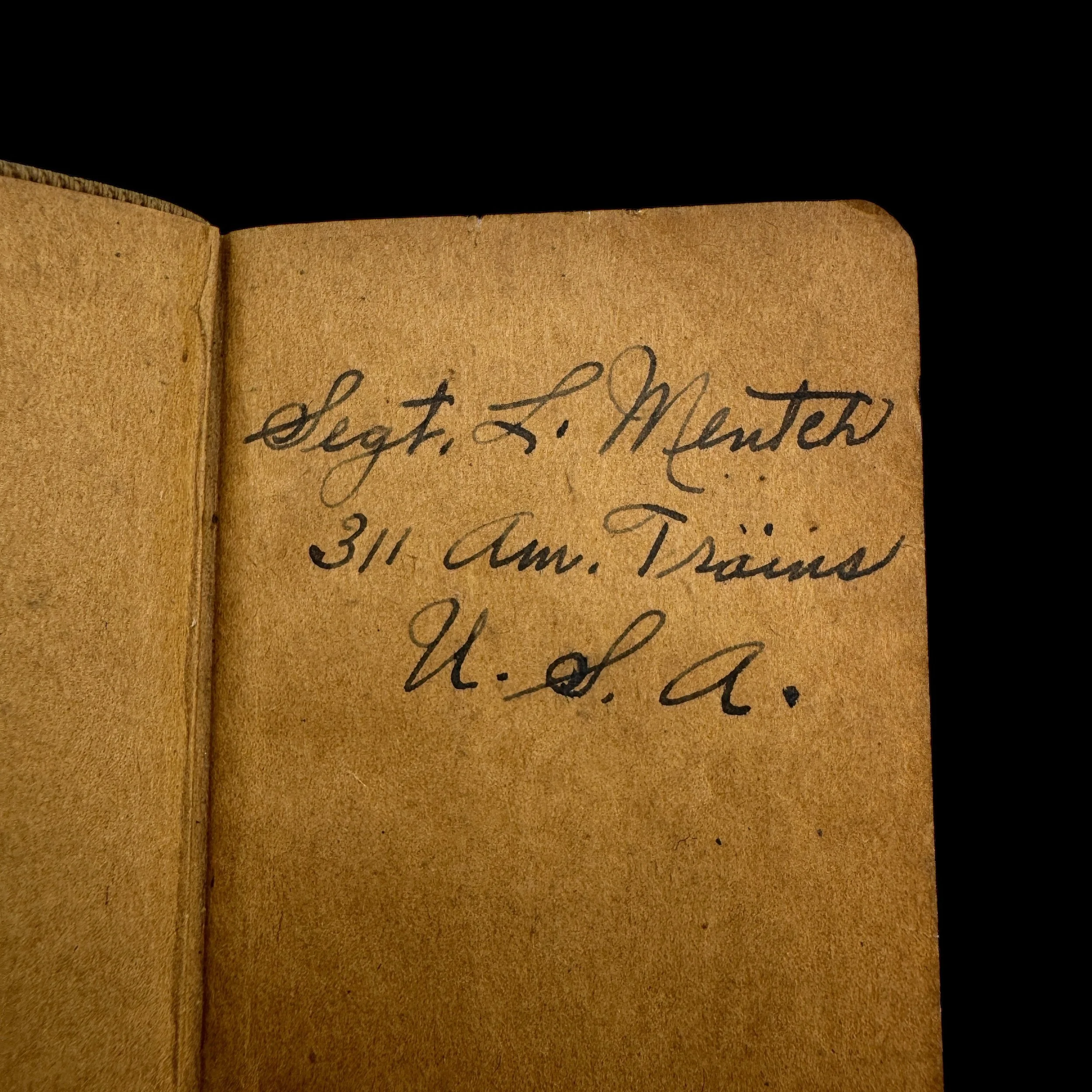
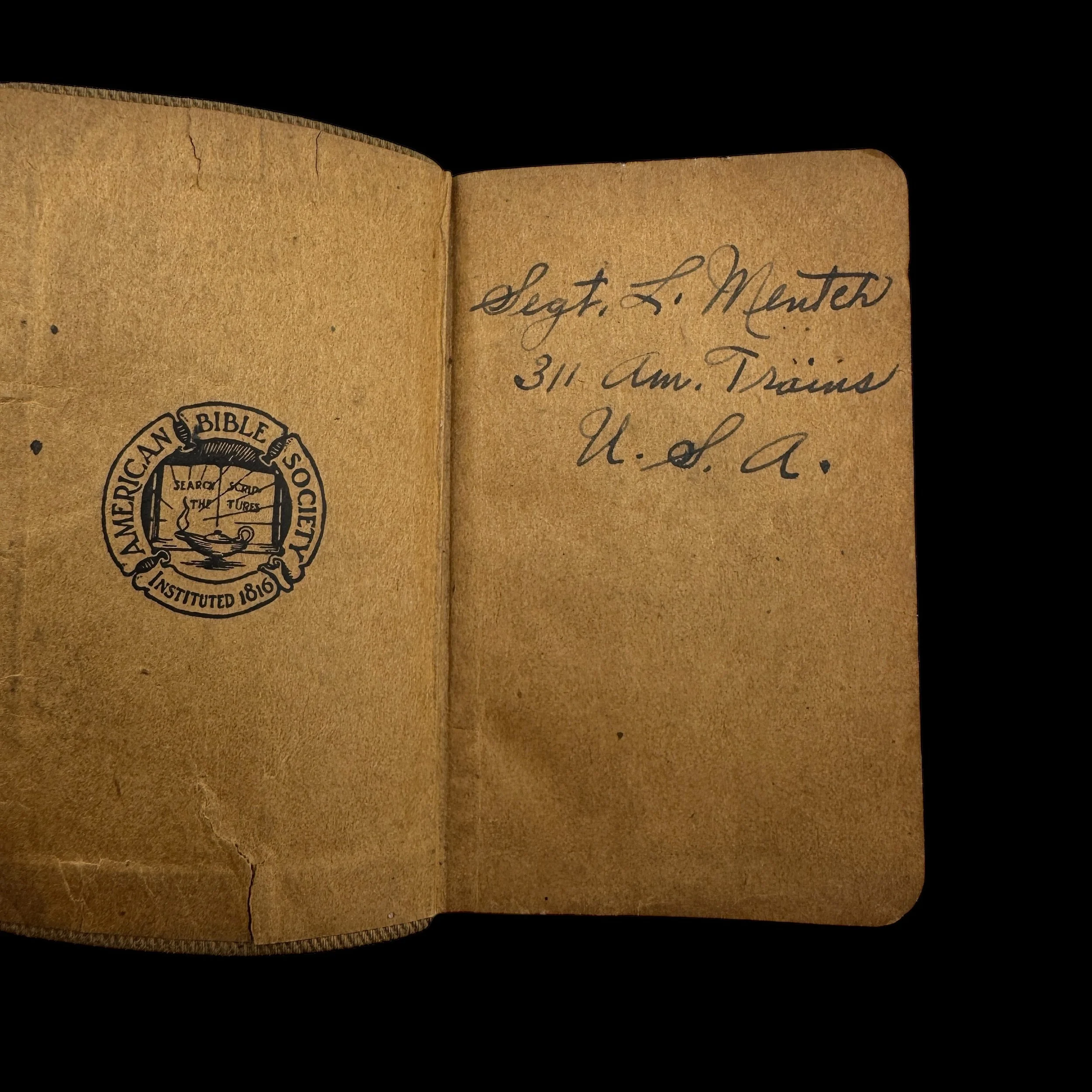
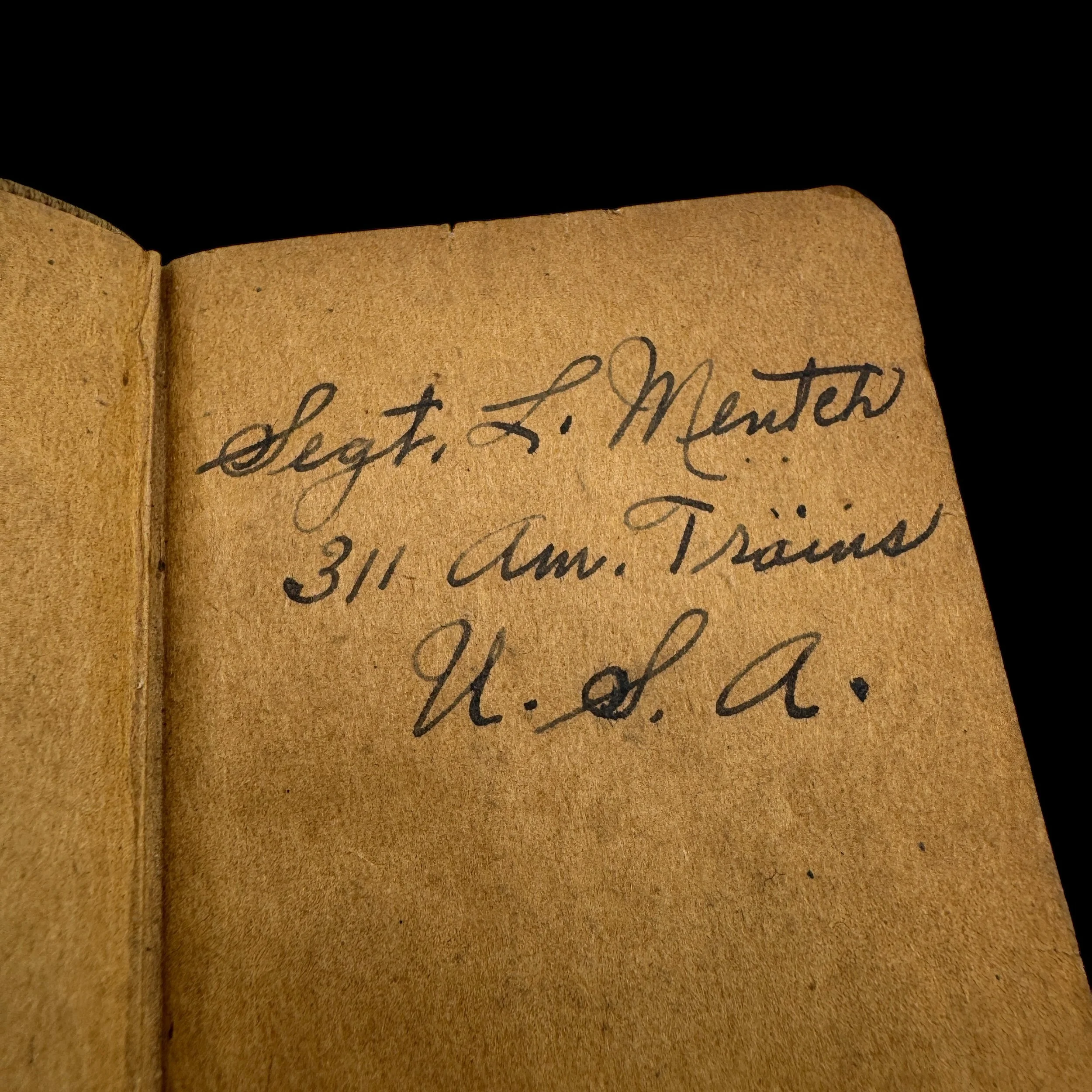
RARE! WWI A.E.F. Sgt. L. Mentch 86th Infantry Division 311th Ammunition Train Meuse Argonne Offensive Western Front Combat Bible
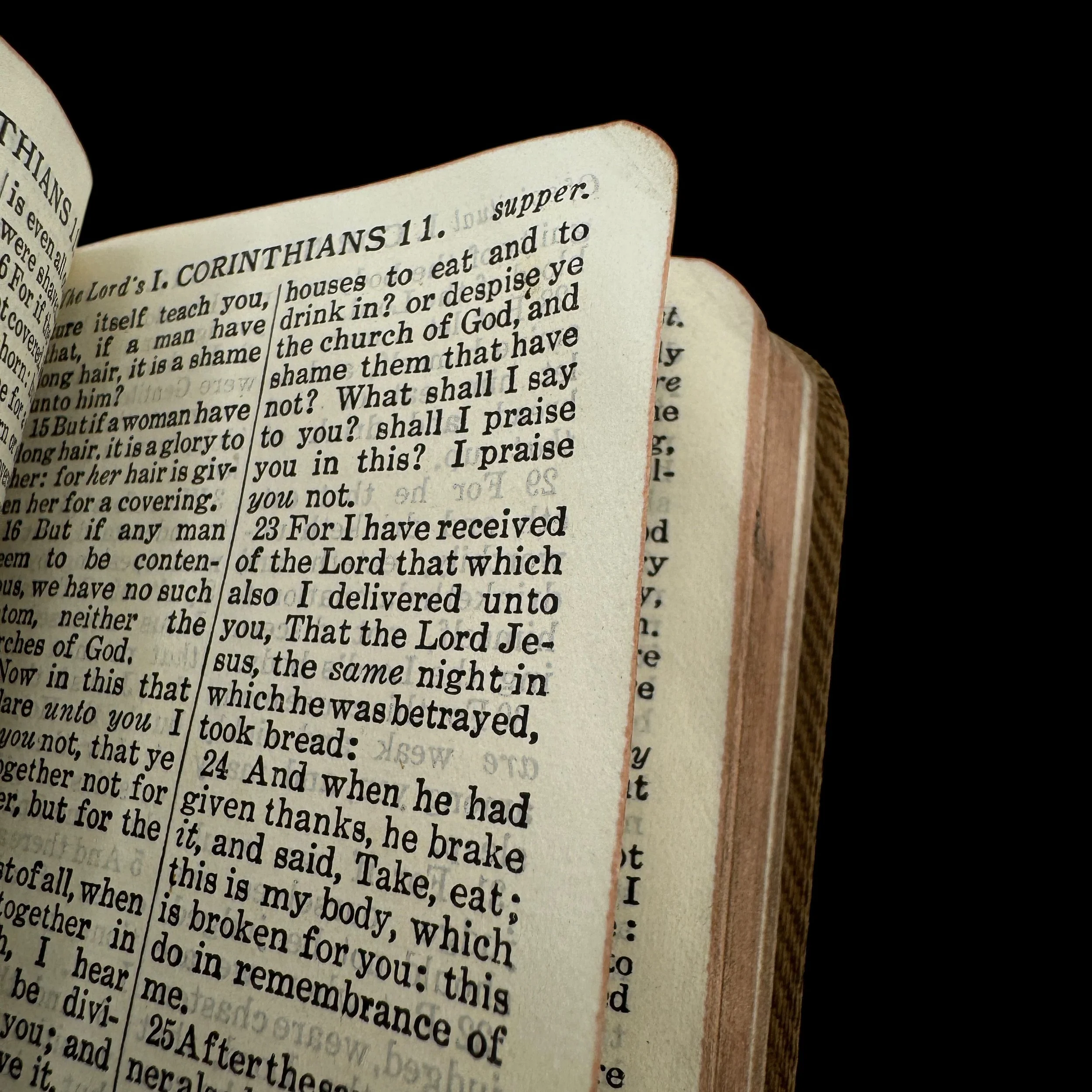

RARE! WWI A.E.F. Sgt. L. Mentch 86th Infantry Division 311th Ammunition Train Meuse Argonne Offensive Western Front Combat Bible
Comes with a hand-signed C.O.A. and full historical research report
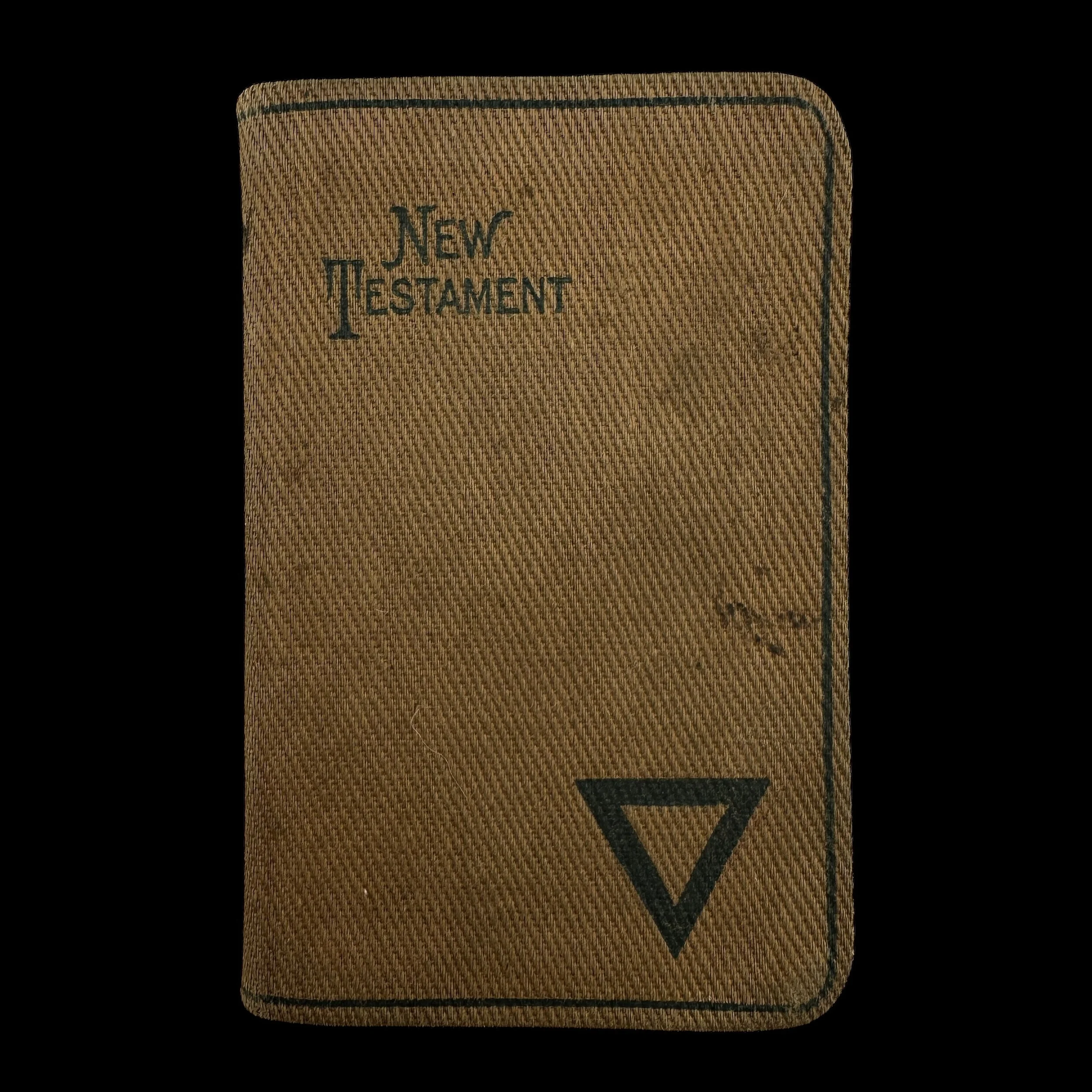
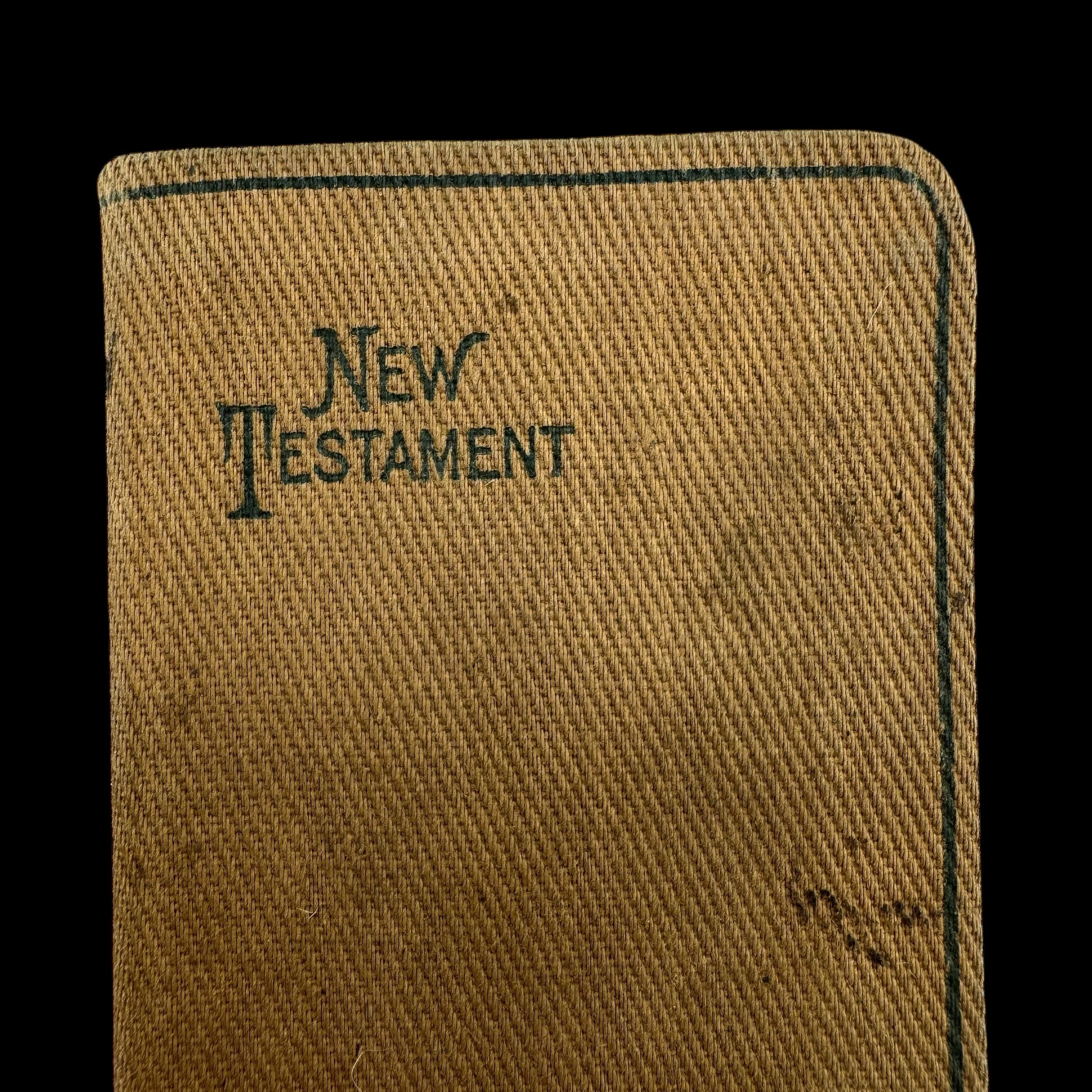
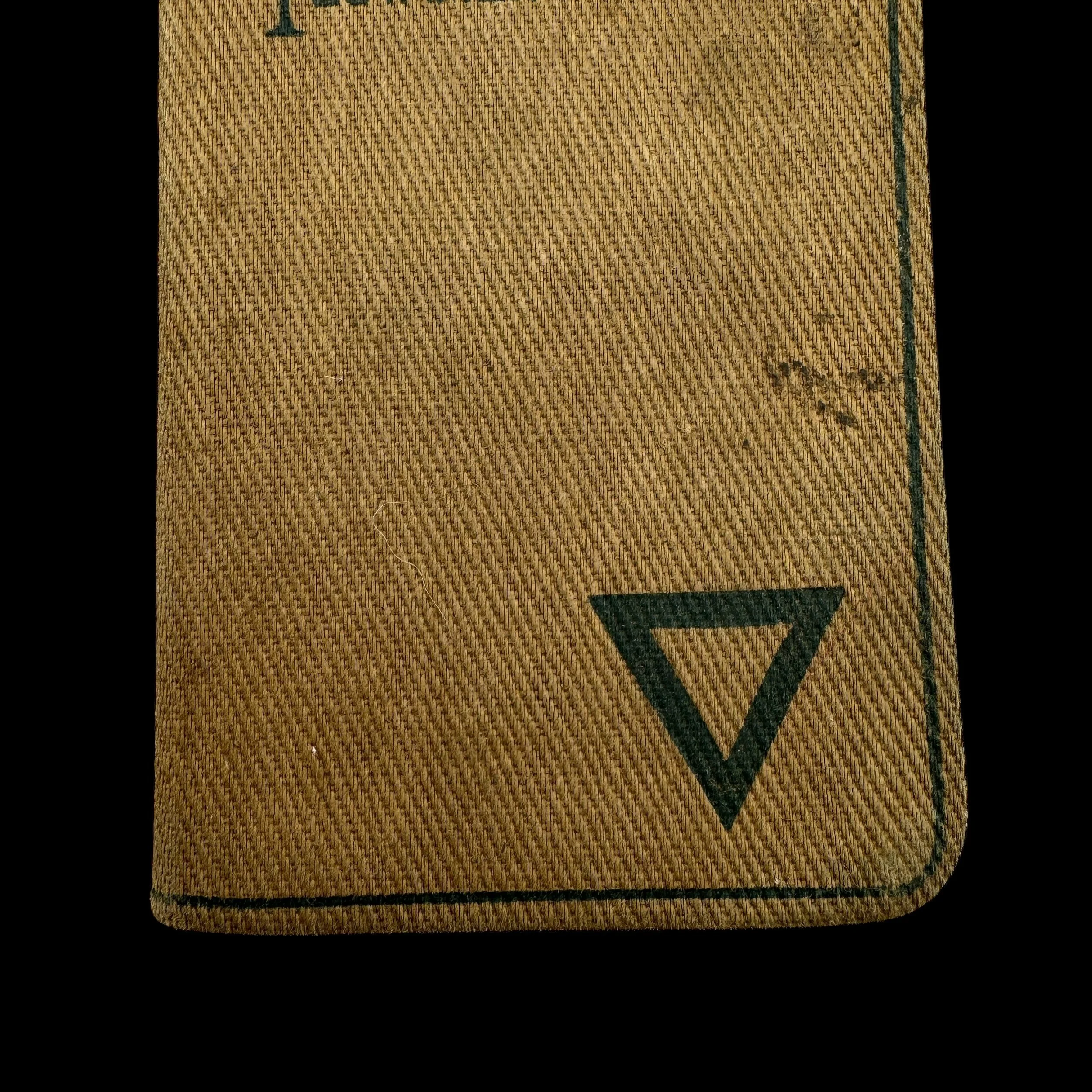
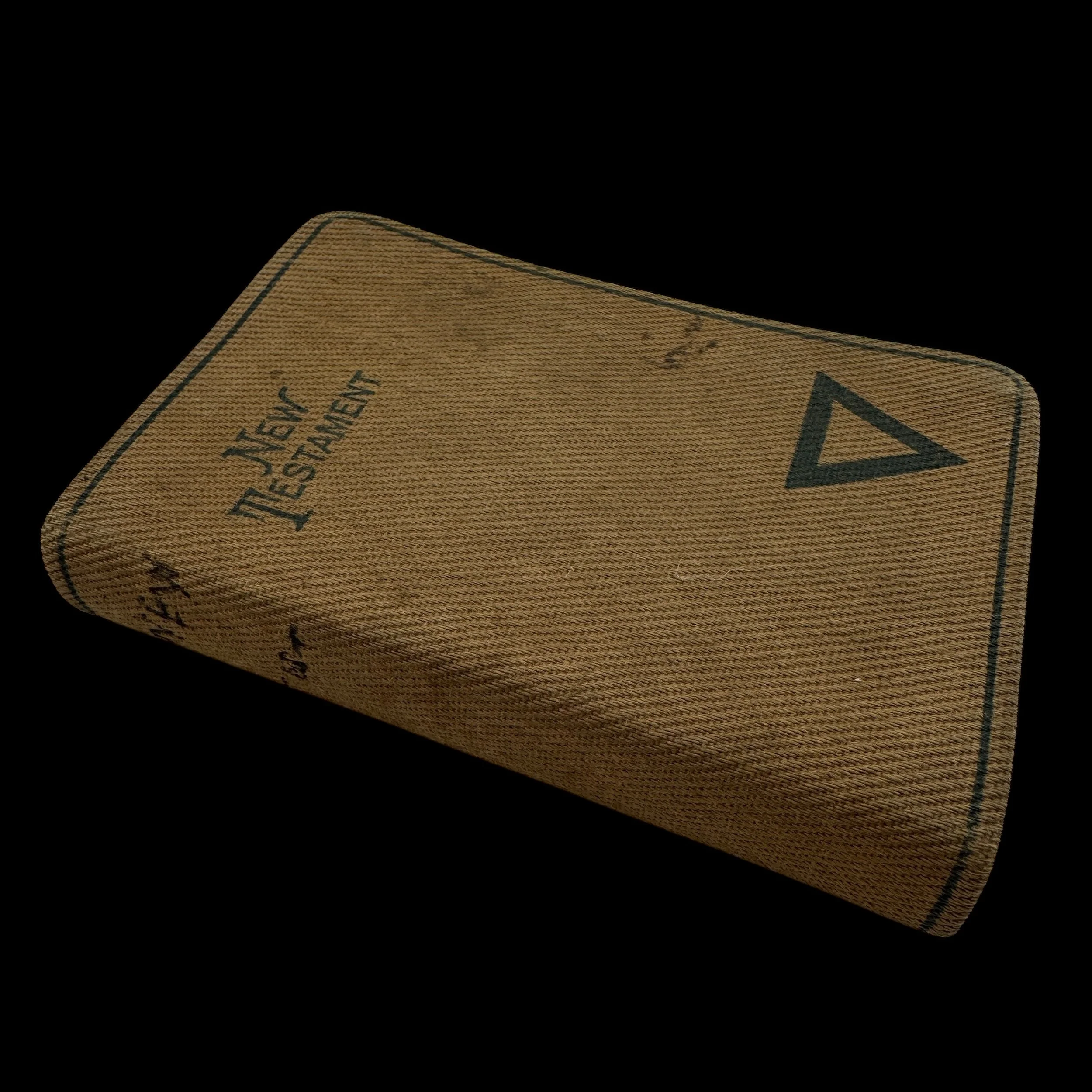
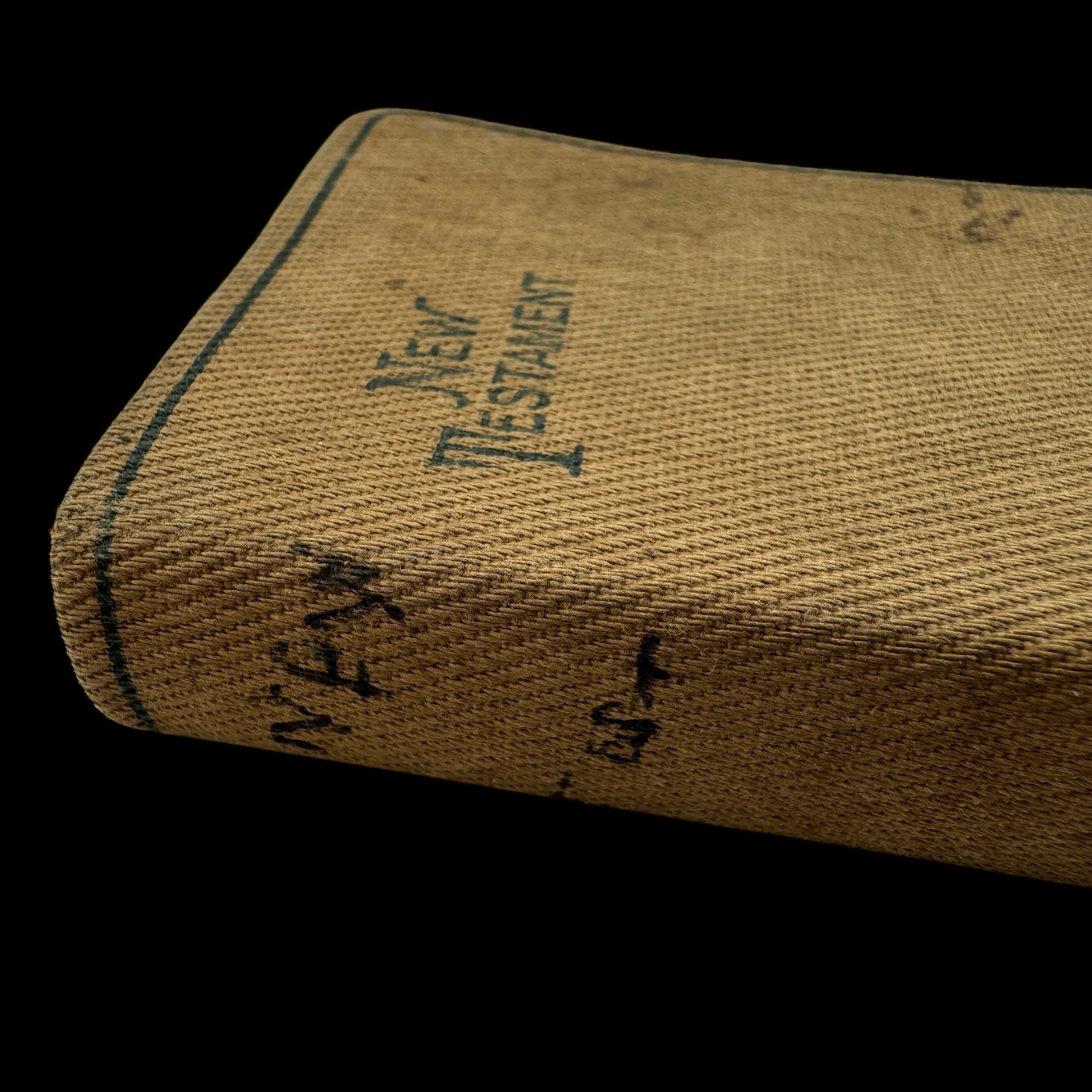
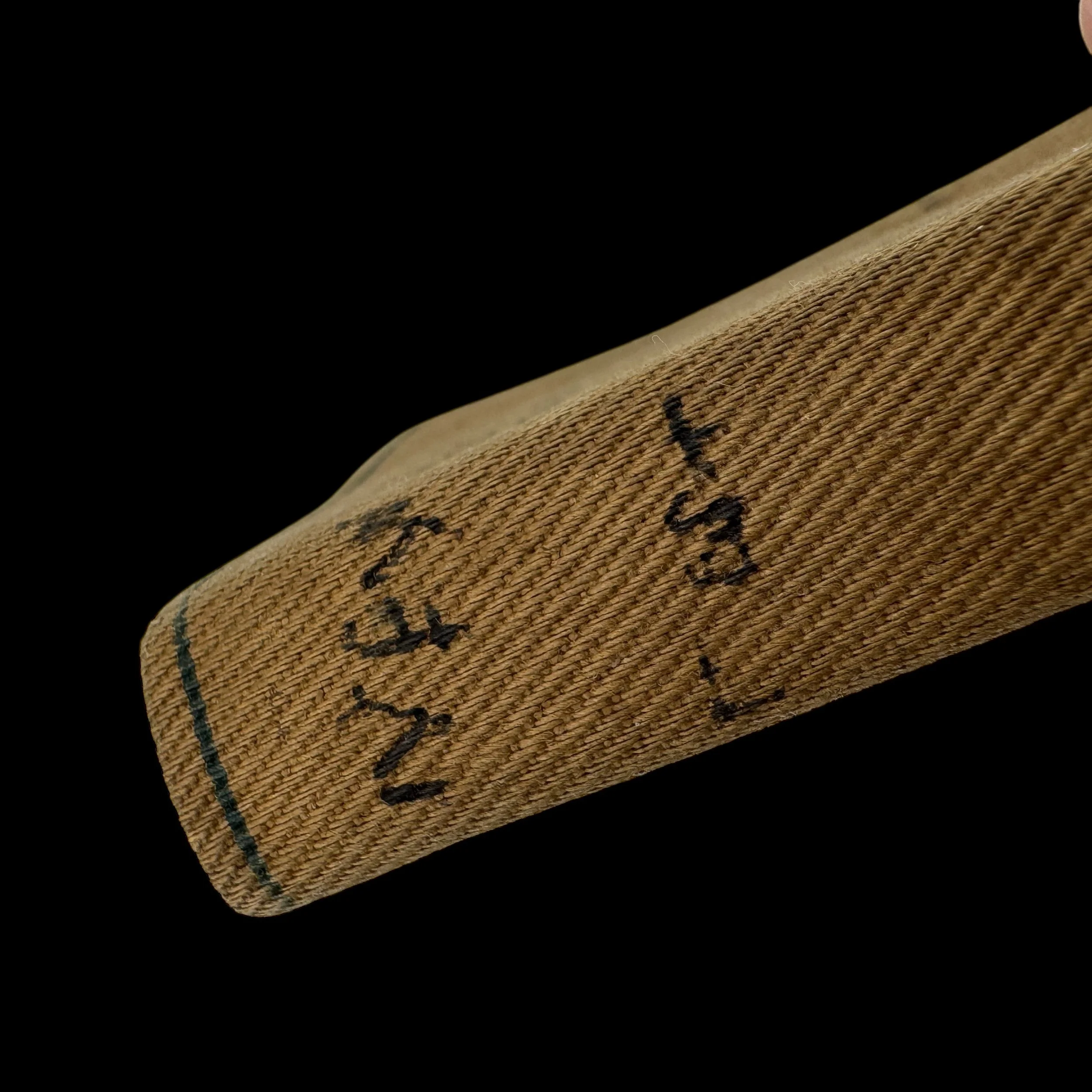
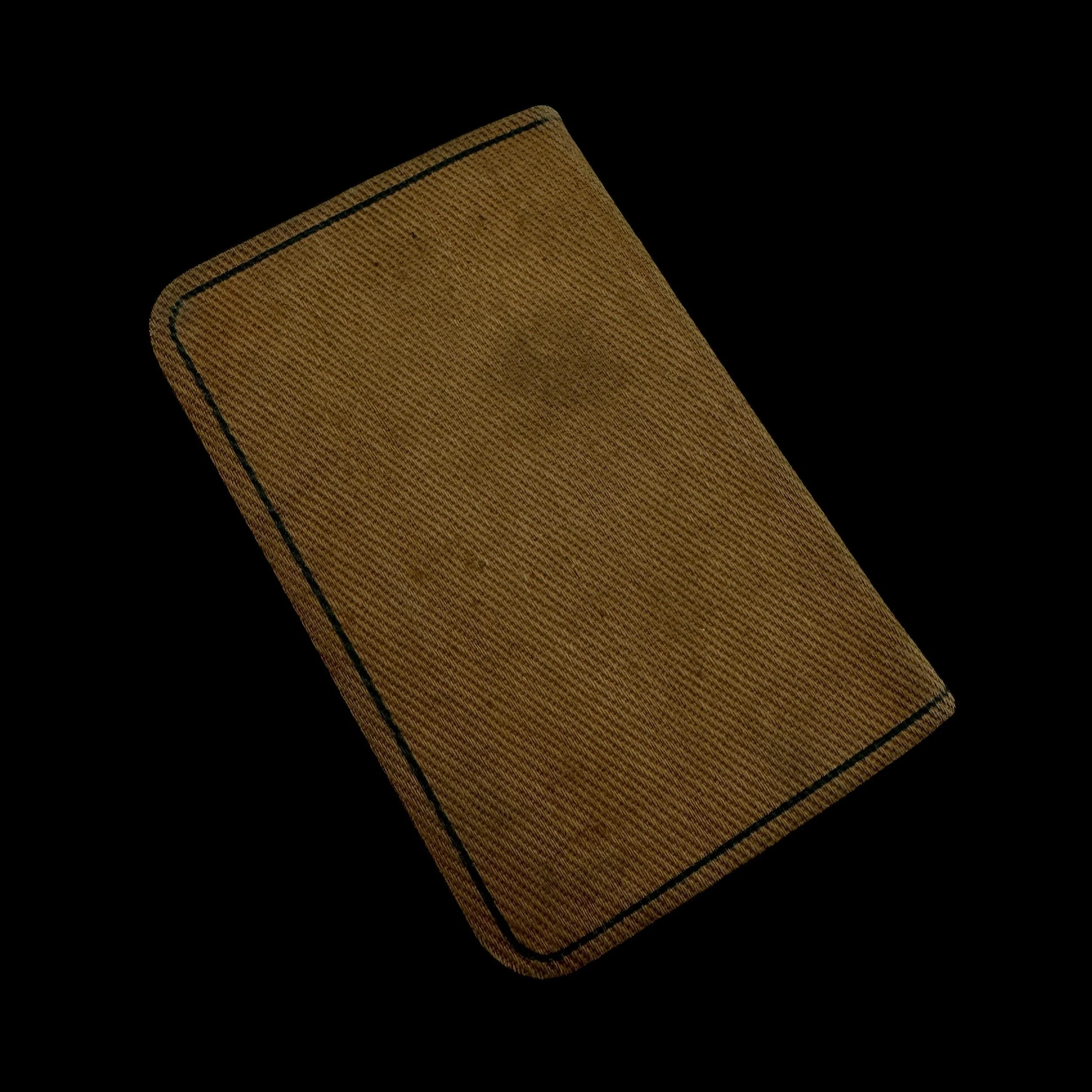
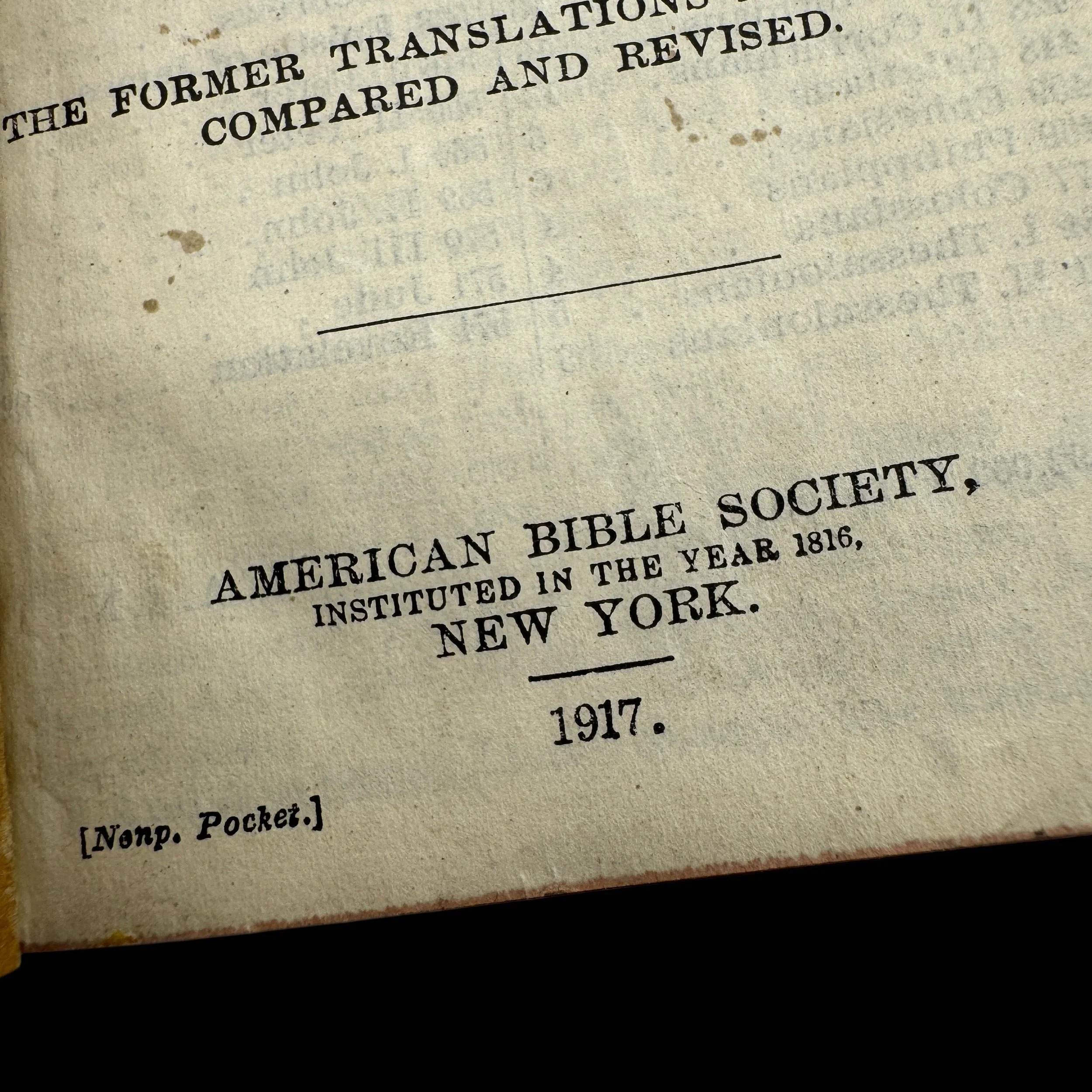
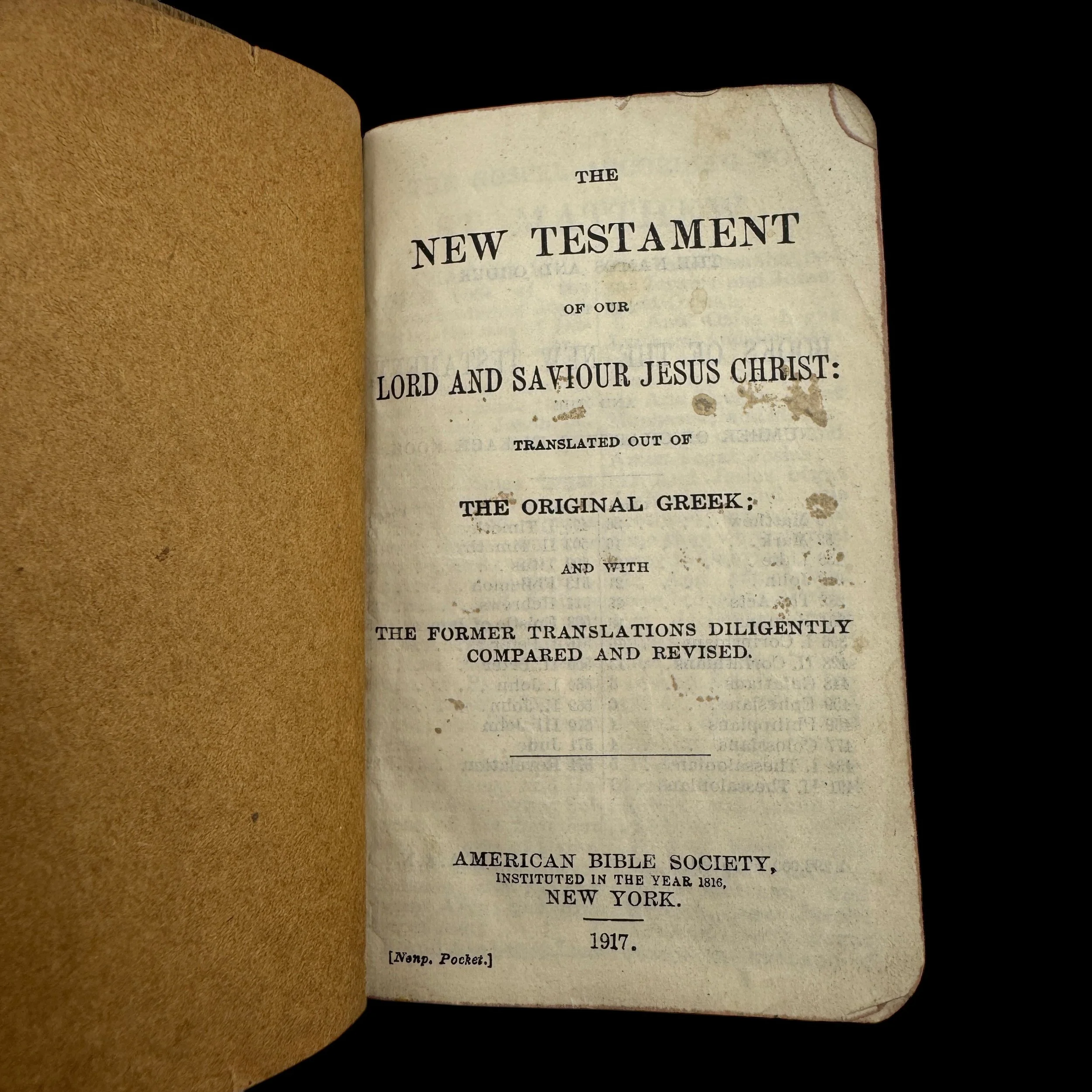
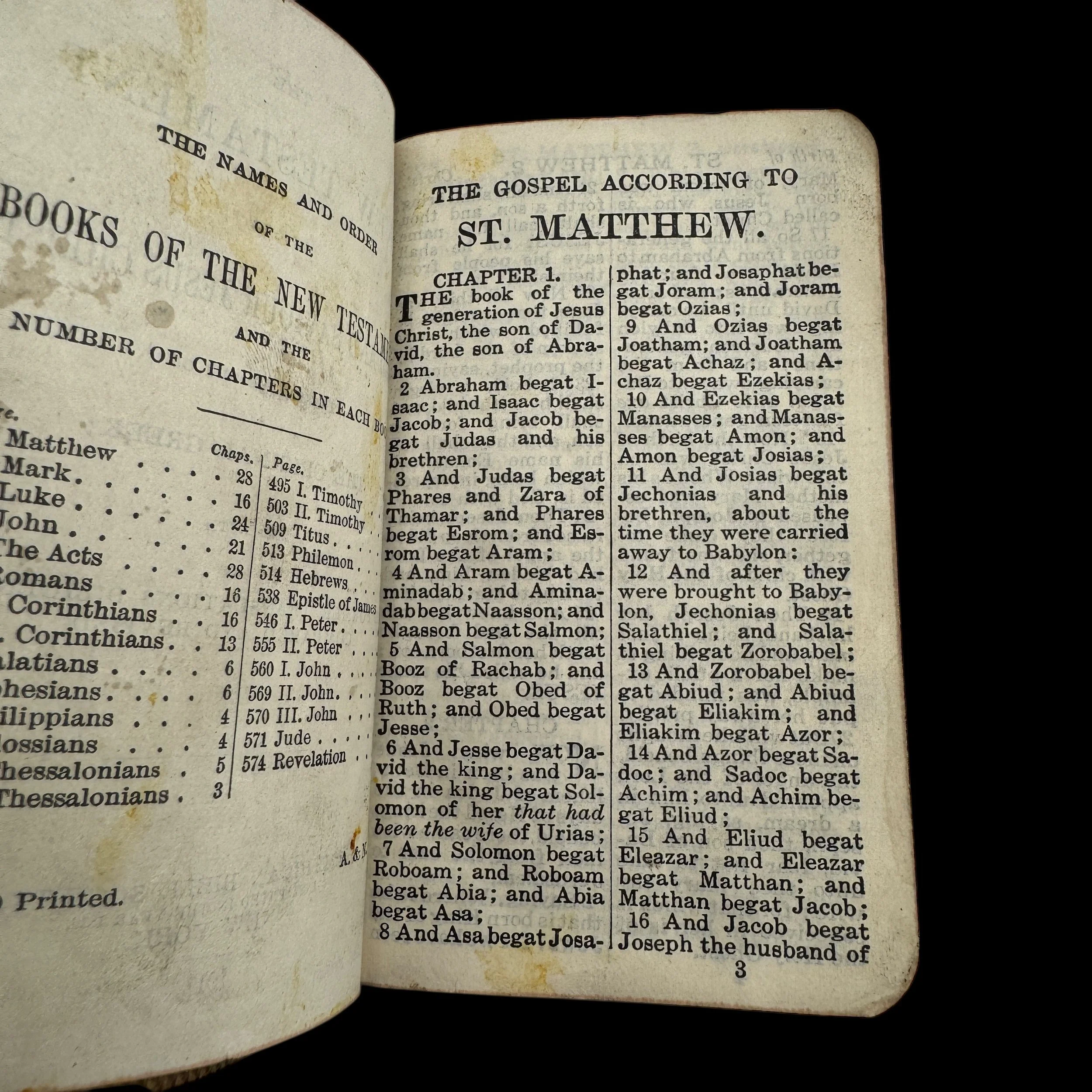
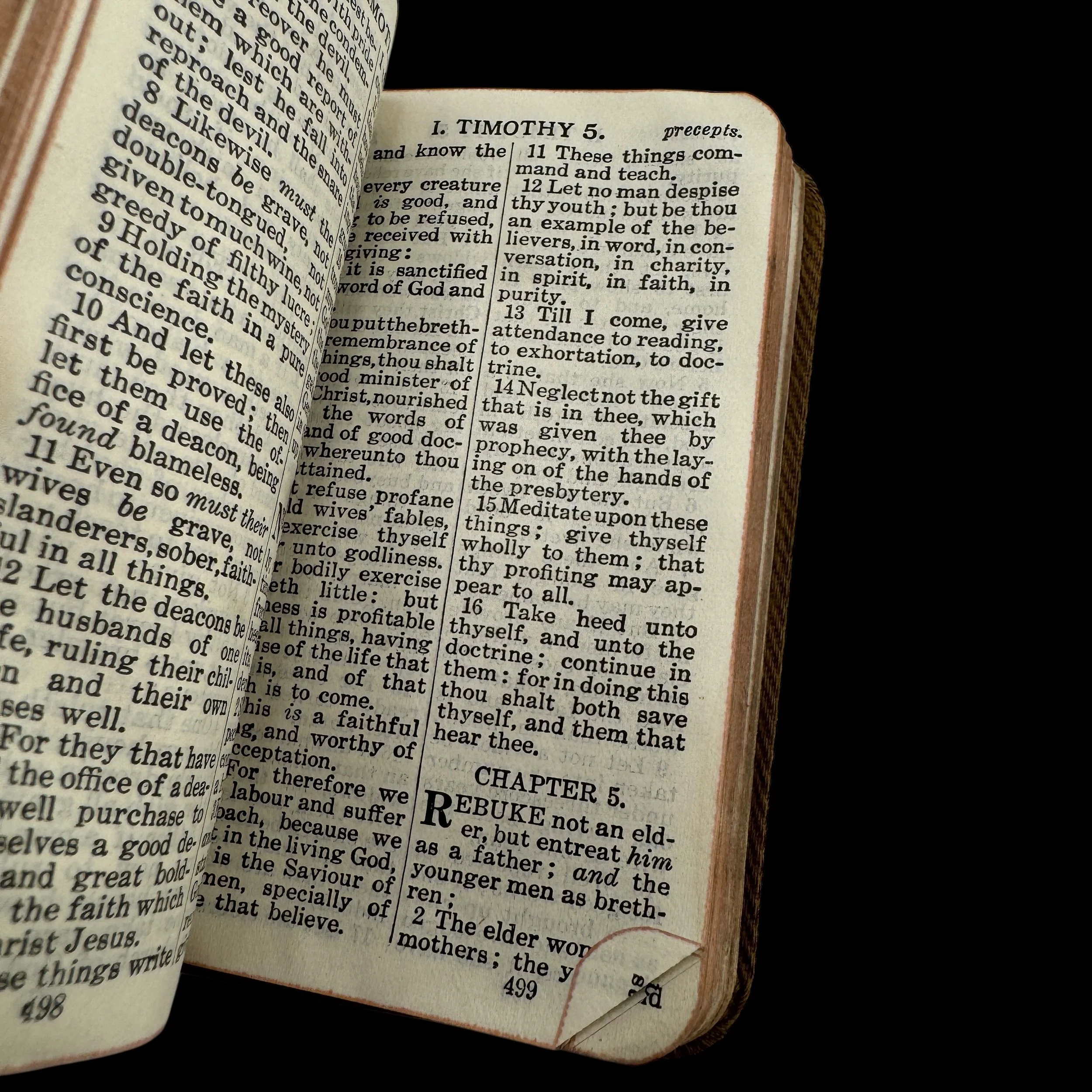
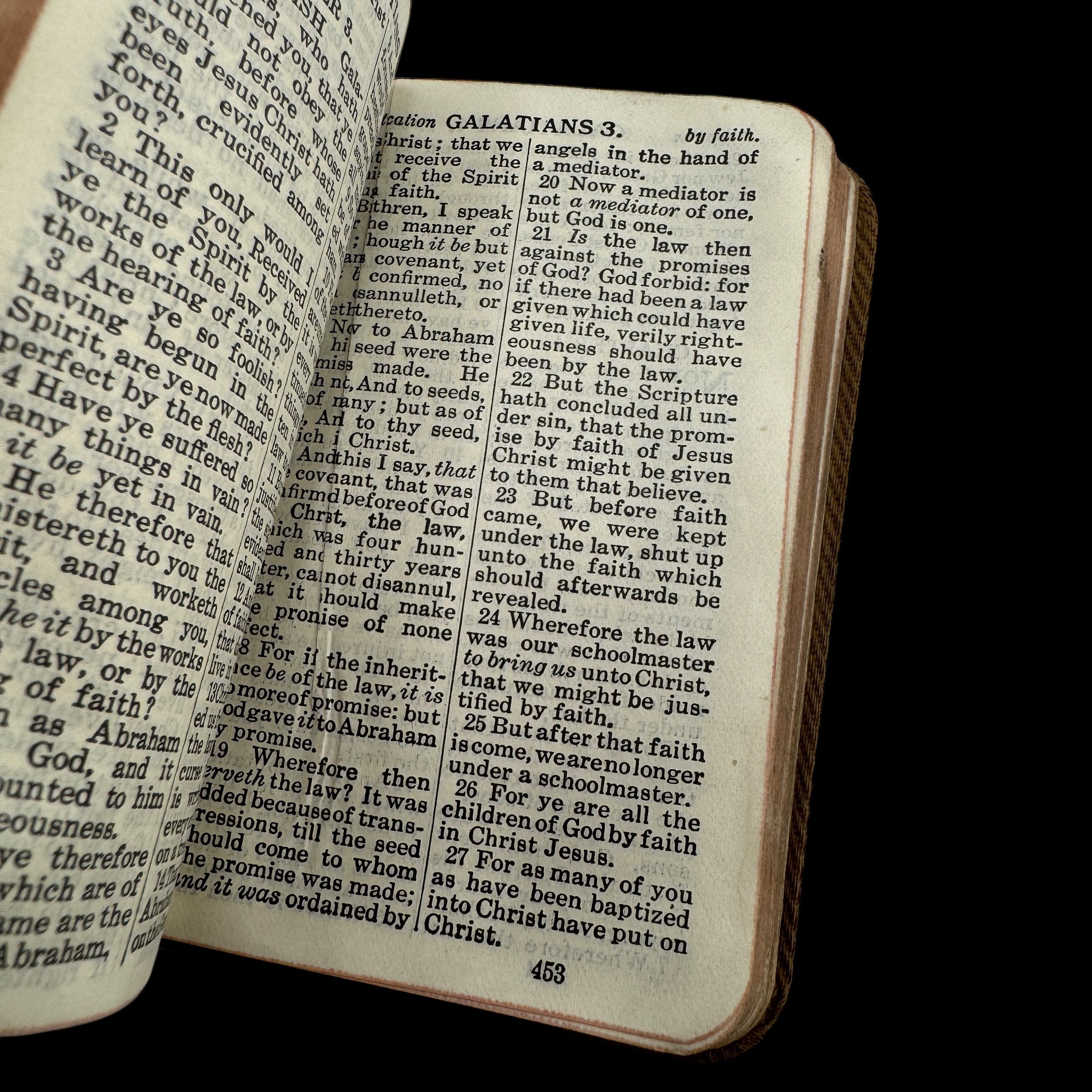
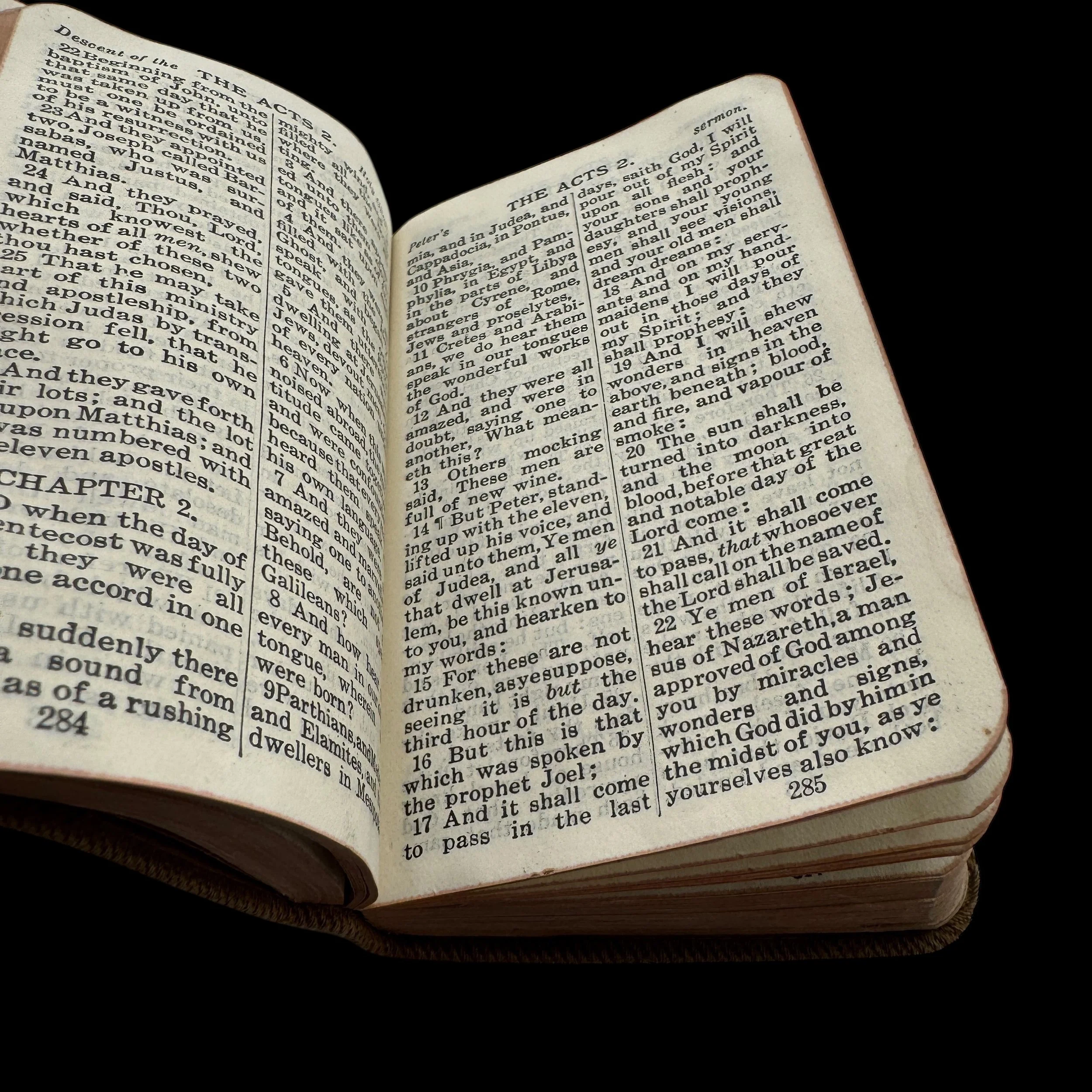
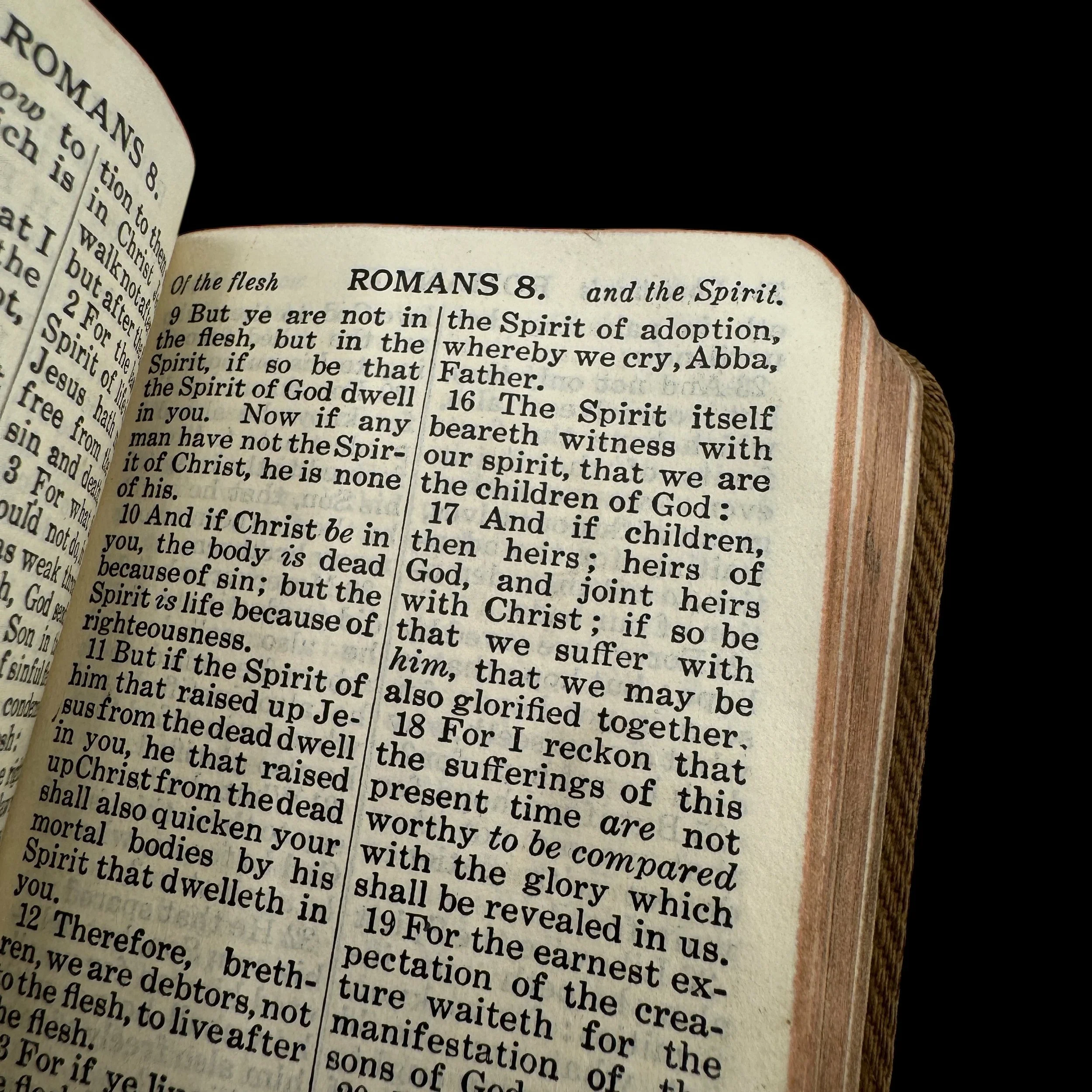
This extraordinary artifact is a museum quality survivor of the First World War and a deeply personal relic of the American soldier’s experience on the Western Front. It is an original 1917 American Expeditionary Force New Testament bible that was carried in active combat by Sgt. L. Mentch, a member of the United States Army during the final and most violent year of the war. Unlike ceremonial or postwar keepsakes, this bible was present in the trenches and forward supply zones of France. It was carried daily through mud, exhaustion, artillery fire, and the constant uncertainty that defined life on the front line.
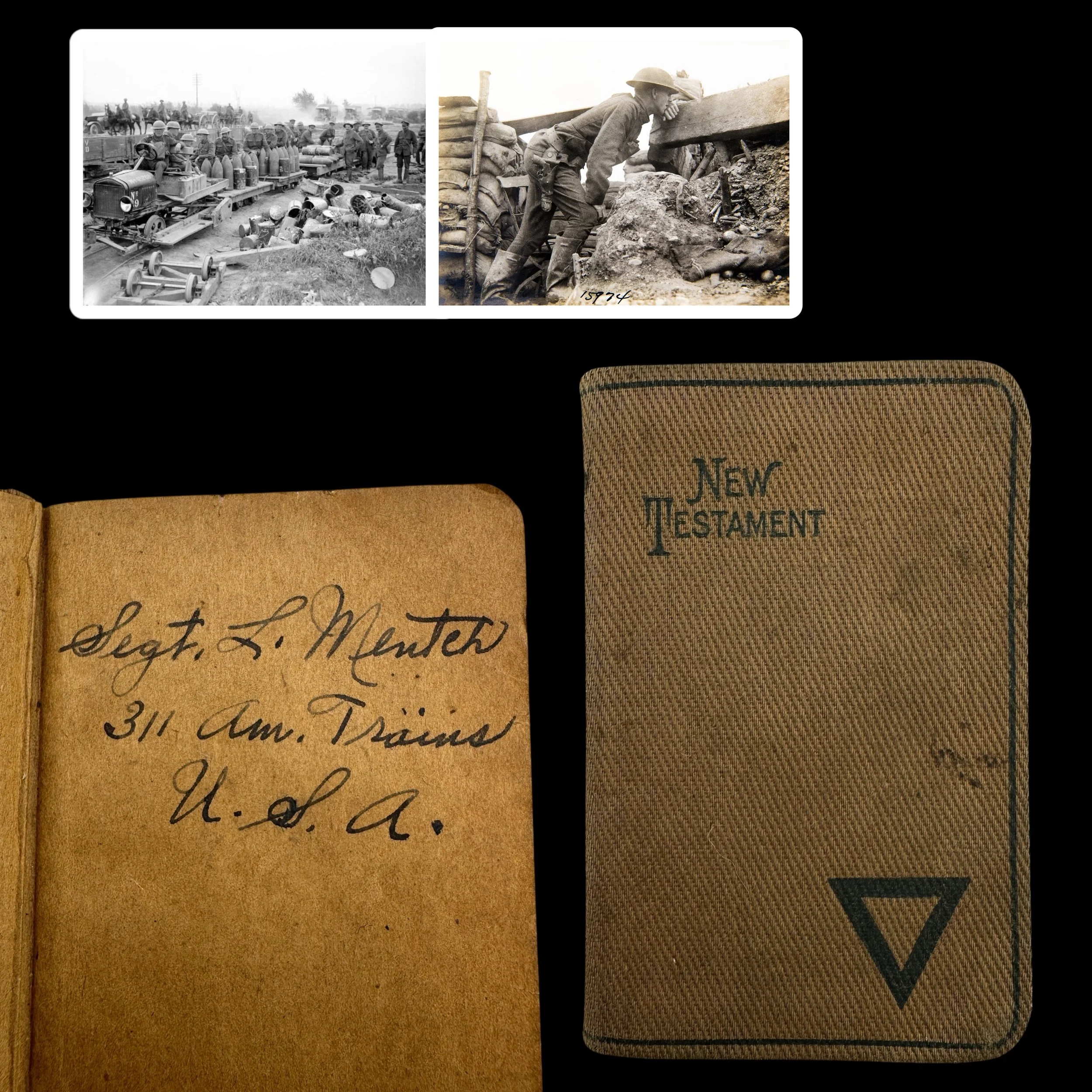
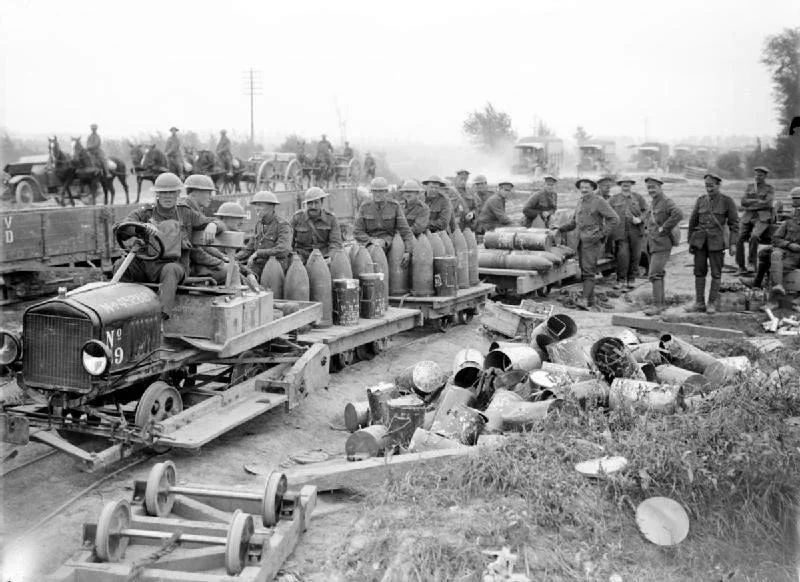
Sgt. Mentch served with the famed 86th Infantry Division, widely known as the Black Hawk Division. Within the division, he was assigned to the 311th Ammunition Train, a unit whose role was absolutely vital to combat operations. In military terminology of the First World War, the word train did not refer to a railway. It described a convoy system made up of horse drawn wagons and early motorized trucks that moved supplies forward from depots to the fighting units. These convoys operated under dangerous conditions. Roads were often shelled, muddy, and congested. Enemy aircraft frequently targeted supply movements. Despite this, ammo trains were expected to deliver shells, bullets, and shells on time, every time.
The 311th Ammunition Train existed for one purpose. It ensured that American infantry and artillery units never ran out of firepower in the middle of battle. Sgt. Mentch and his fellow soldiers hauled artillery shells, rifle ammunition, and MG belts from rear supply points to forward positions near the trenches. Their work directly supported some of the largest American engagements of the war, including the Meuse Argonne Offensive. This campaign became the largest and deadliest operation ever undertaken by the United States Army up to that point. Success depended not only on courage at the front but on relentless logistical support behind it.
The ammunition train was one component of a much larger divisional support system that kept the Black Hawk Division functioning in France. Alongside the ammunition train were supply trains responsible for food and equipment, engineer trains that built roads and defensive works, and sanitary trains that evacuated and treated the wounded. Together, these units formed the backbone of the division. Without them, combat units would have collapsed within days. Sgt. Mentch’s role placed him at the heart of this system, often operating close enough to the front to face shellfire while ensuring others could continue fighting.
The presence of this New Testament bible within that environment gives it exceptional historical and human significance. Small religious texts were often issued or purchased by soldiers before deployment. They served as sources of comfort, reflection, and hope in conditions that were otherwise brutal and impersonal. To carry a bible while transporting ammunition through a war zone speaks to the dual reality of the First World War soldier. Faith and firepower existed side by side. Survival depended on both.
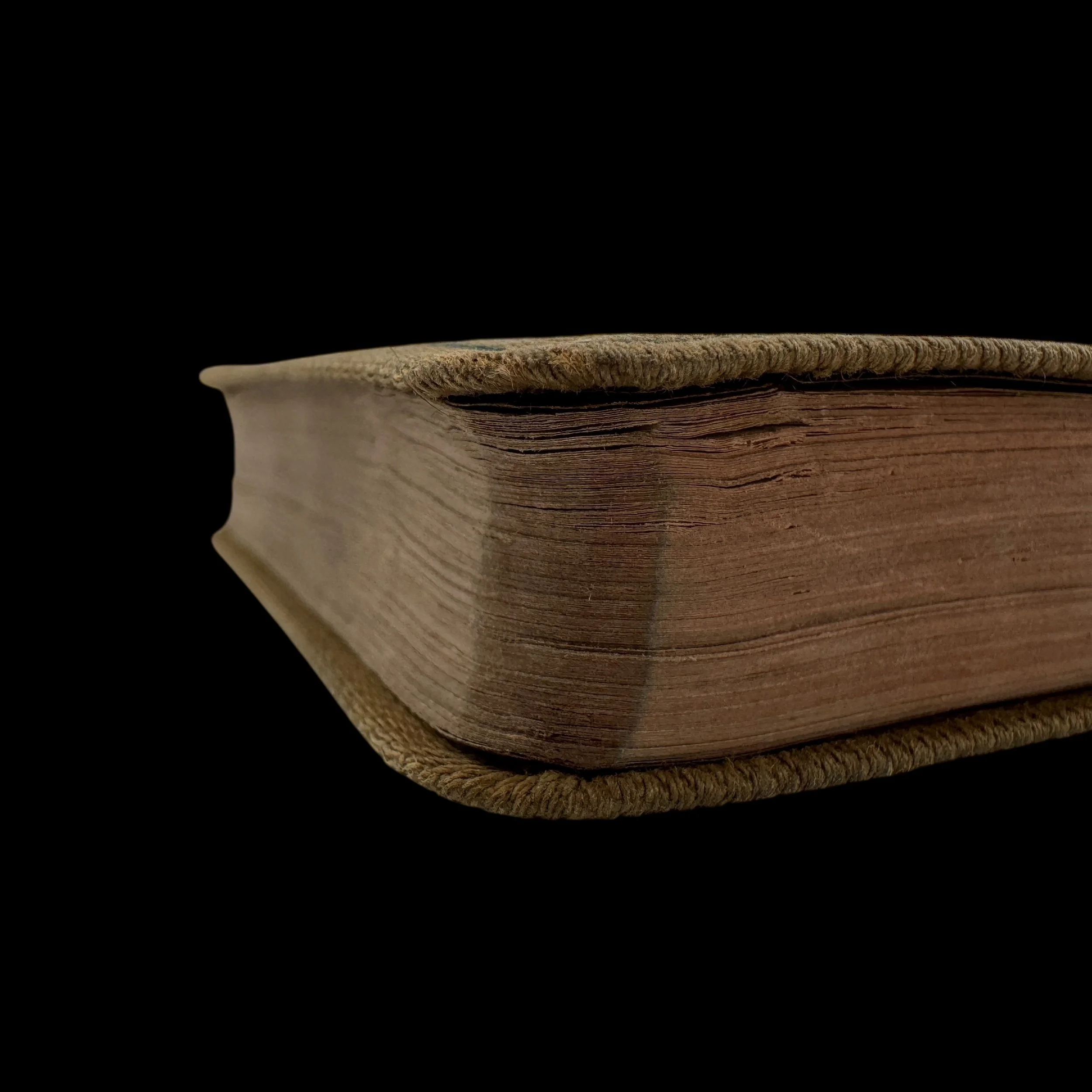
Physically, a combat carried bible from 1917 represents a rare survival. Many such items were destroyed by weather, fire, or the simple wear of constant use. This example endures as a direct witness to the lived experience of an American soldier in France. It connects the reader not just to military movements and unit histories, but to the inner life of Sgt. Mentch himself. One can reasonably imagine it being opened during moments of rest, clutched during bombardment, or kept close as a reminder of home while far from it.
Historically, the artifact also embodies the transformation of the United States Army during the First World War. The 86th Infantry Division was activated in 1917 as part of America’s rapid mobilization. By 1918, its soldiers were operating within one of the most complex logistical systems ever assembled by the nation. The ammunition trains symbolized modern industrial warfare. Victory depended as much on supply chains as on marksmanship. This bible, carried by a soldier responsible for sustaining that system, represents that shift with remarkable clarity.
In every sense, this New Testament is more than a book. It is a frontline companion, a spiritual anchor, and a tangible link to the American Expeditionary Forces in combat. As a named, documented, and combat carried artifact associated with a specific soldier and unit, it stands at a museum grade level of historical importance. It preserves the story of Sgt. L. Mentch and the unseen lifelines of war. It also preserves the quiet human need for faith amid the machinery of global conflict.