EXTREMELY RARE WWII June 6th, 1944 D-Day Sgt. Fredrick Zenk 82nd Airborne 505th PIR Sainte Mère Église Combat Used Drop Zone Map (Pathfinder Mission)
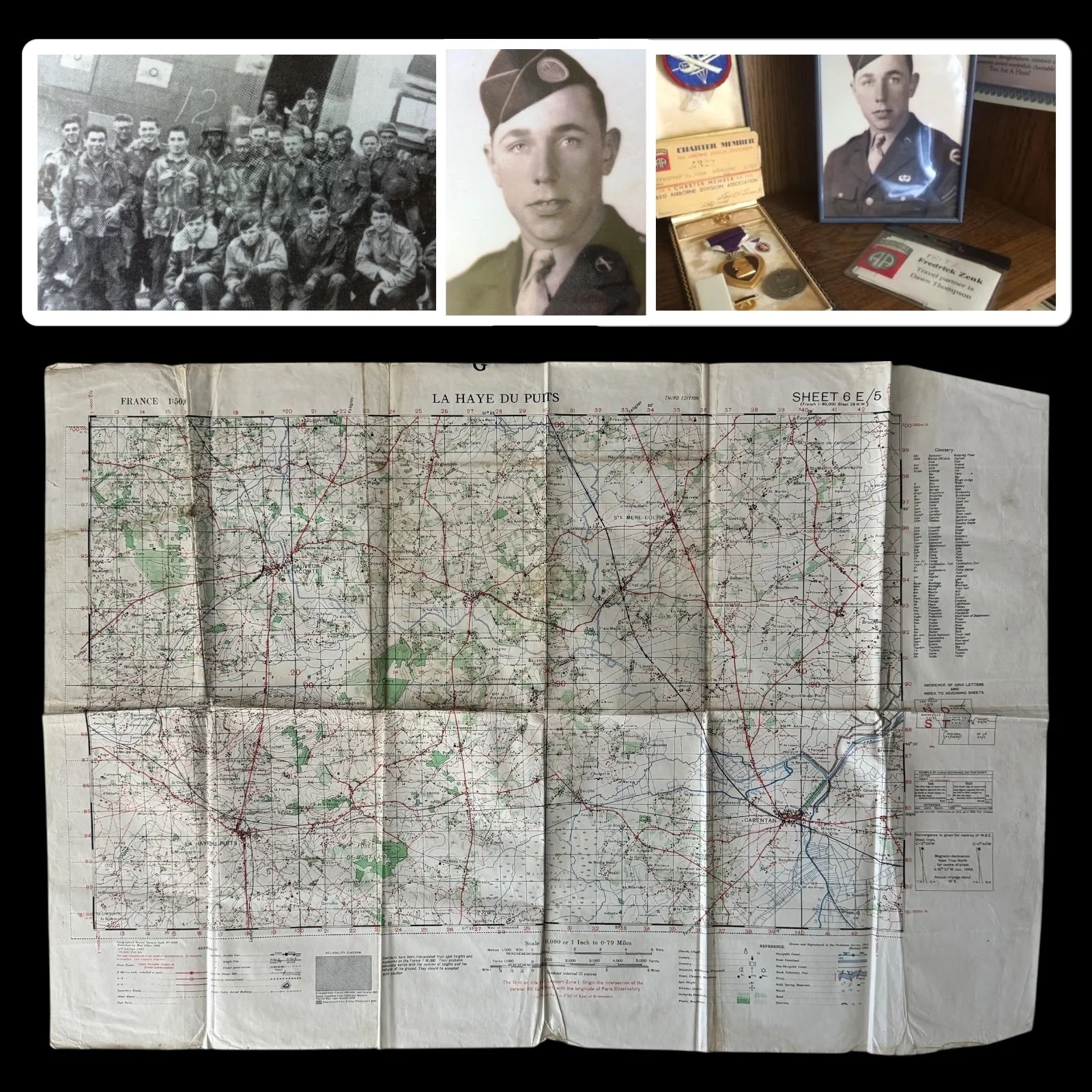
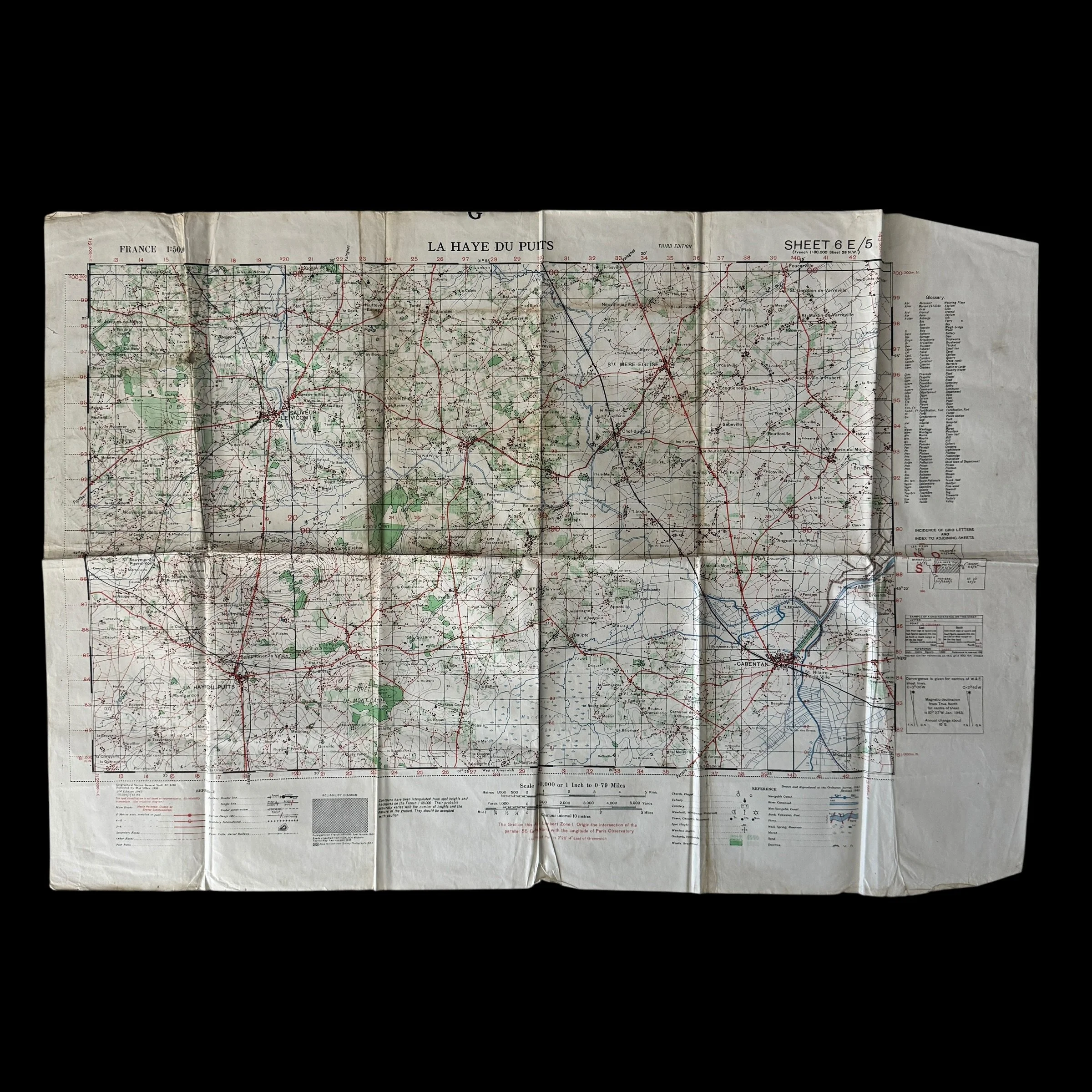
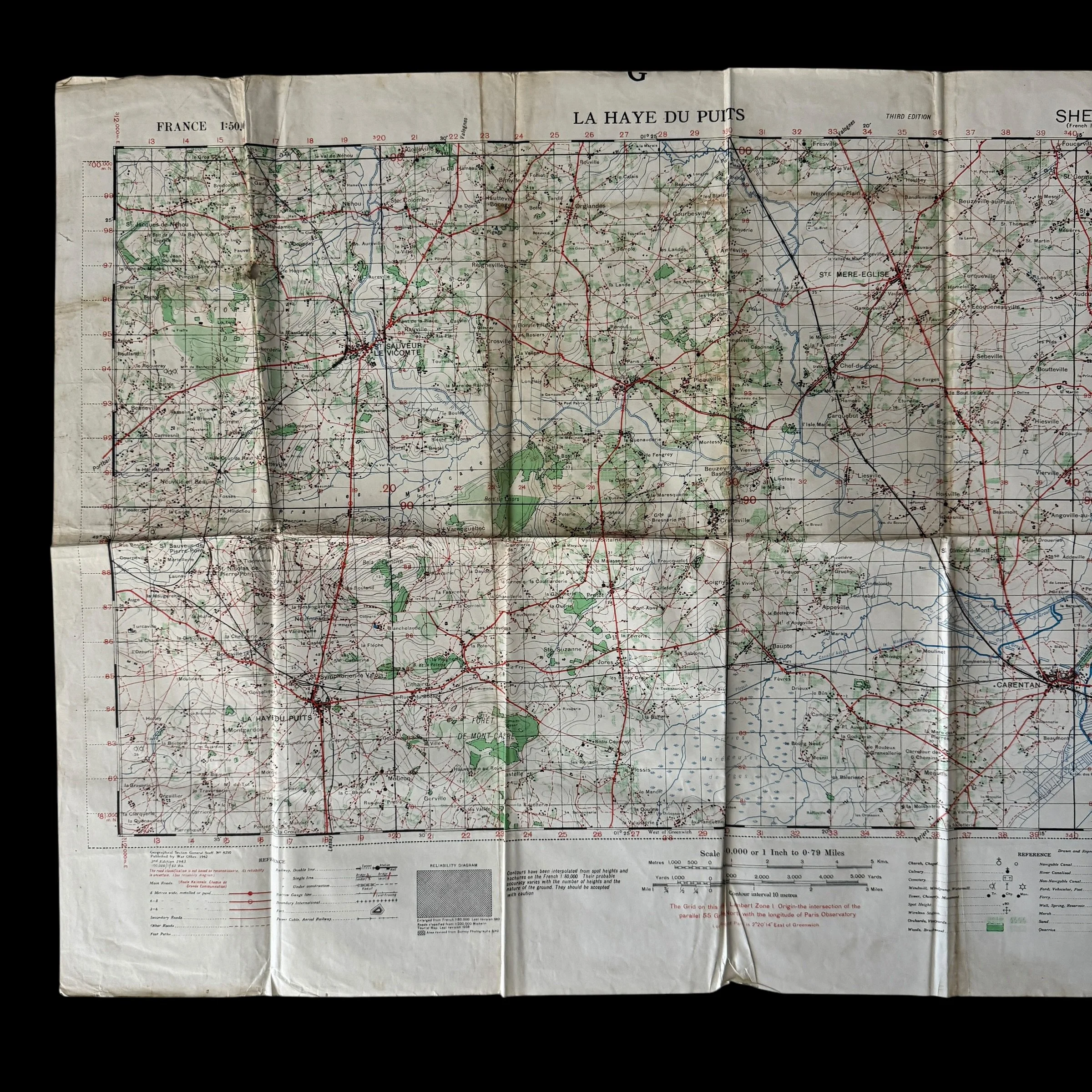
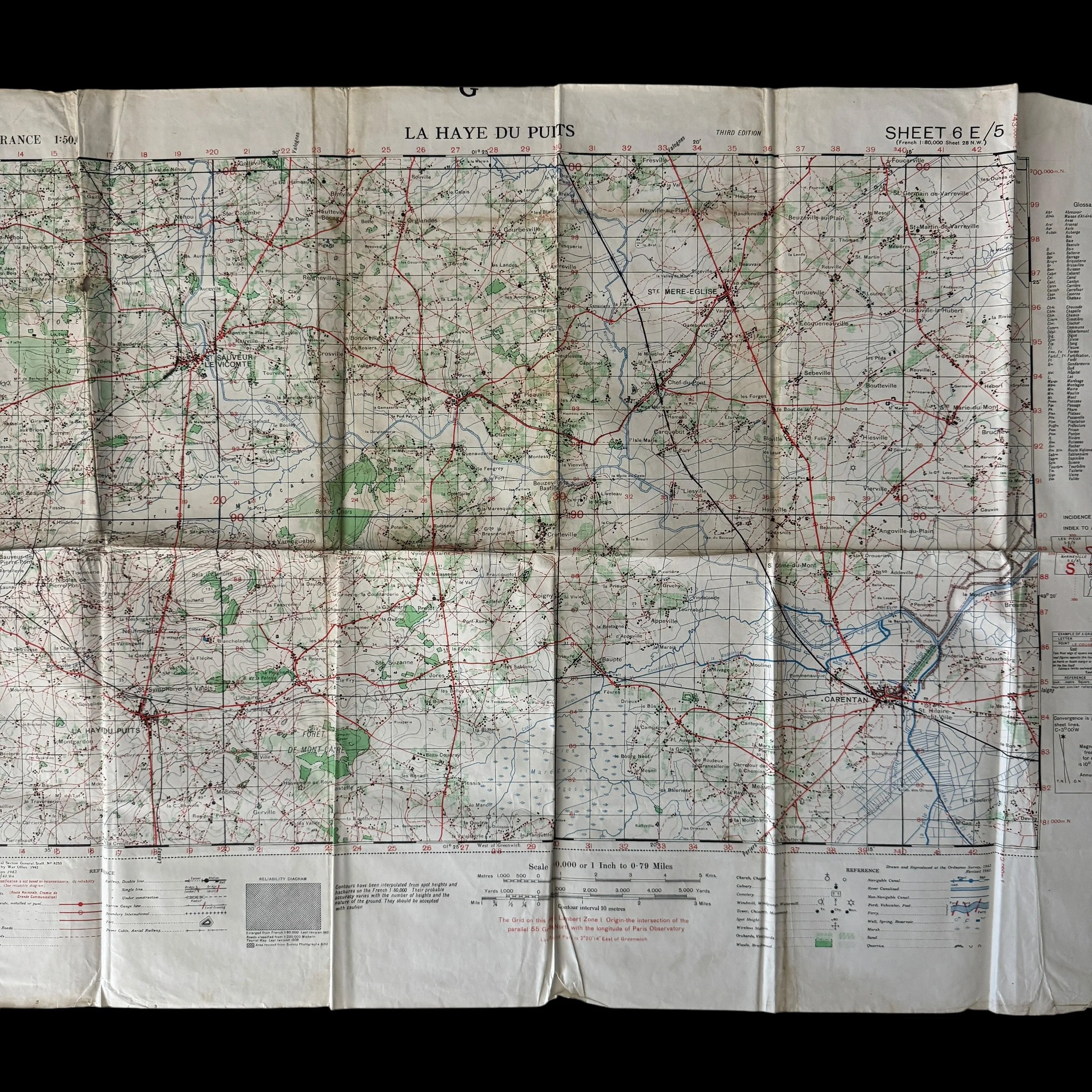
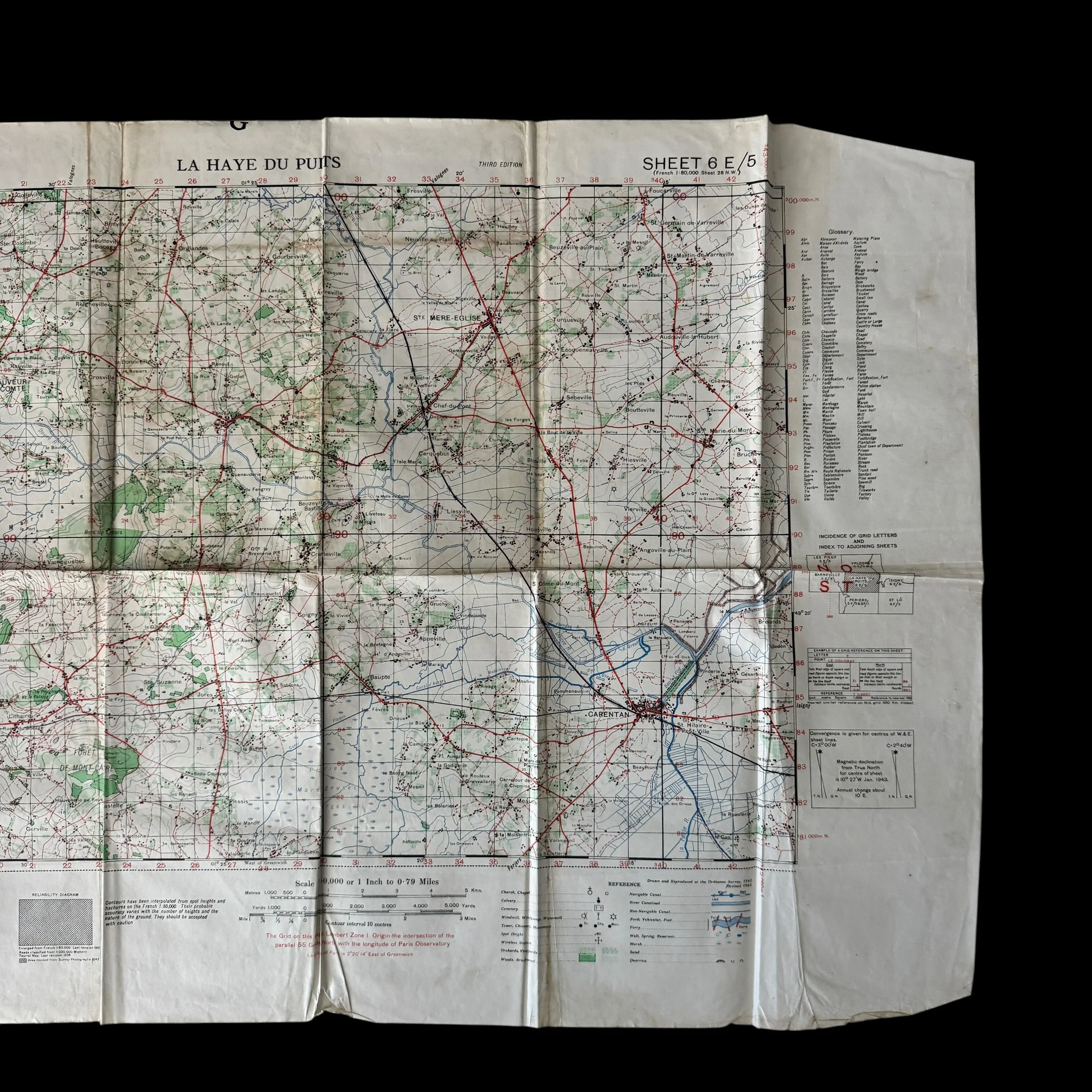
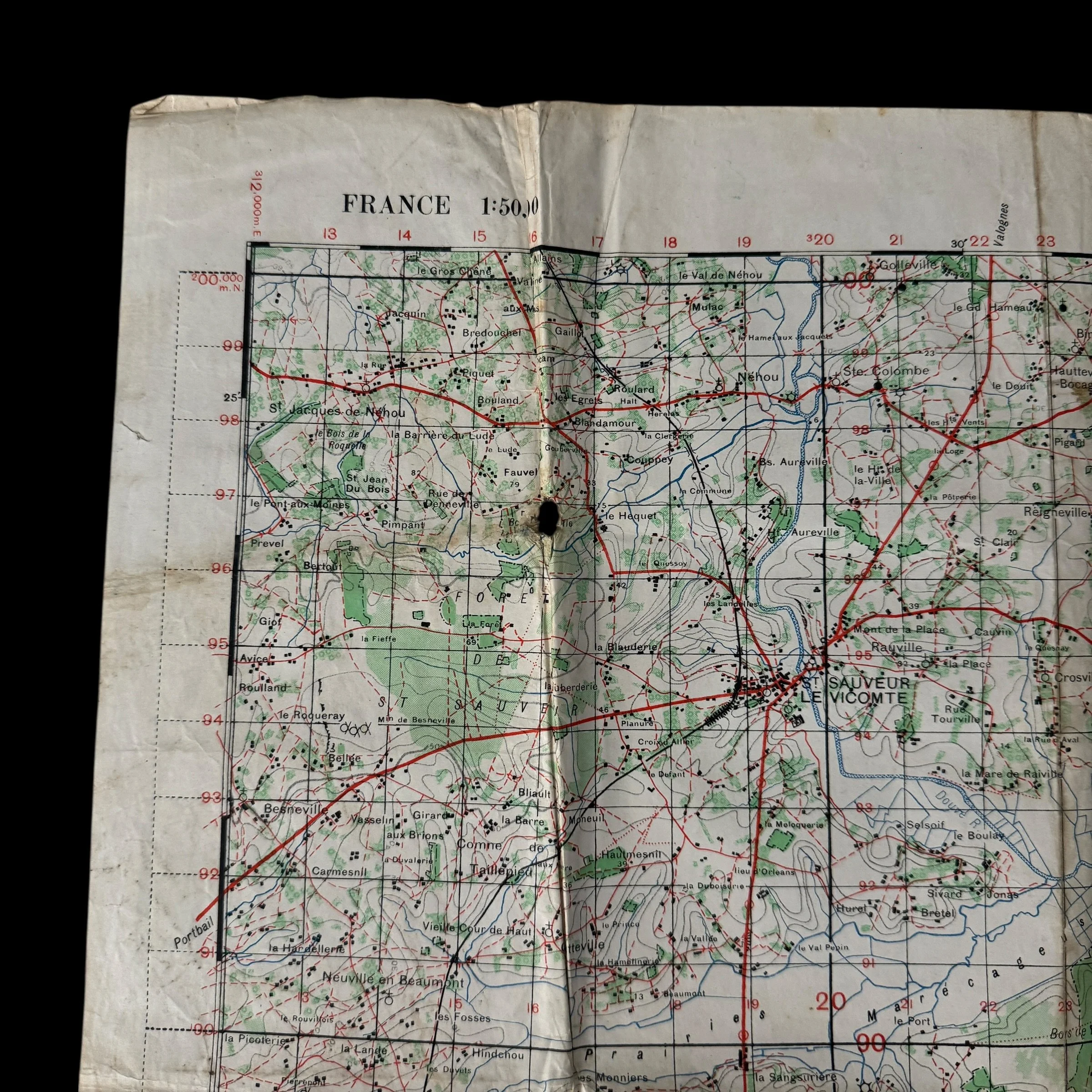
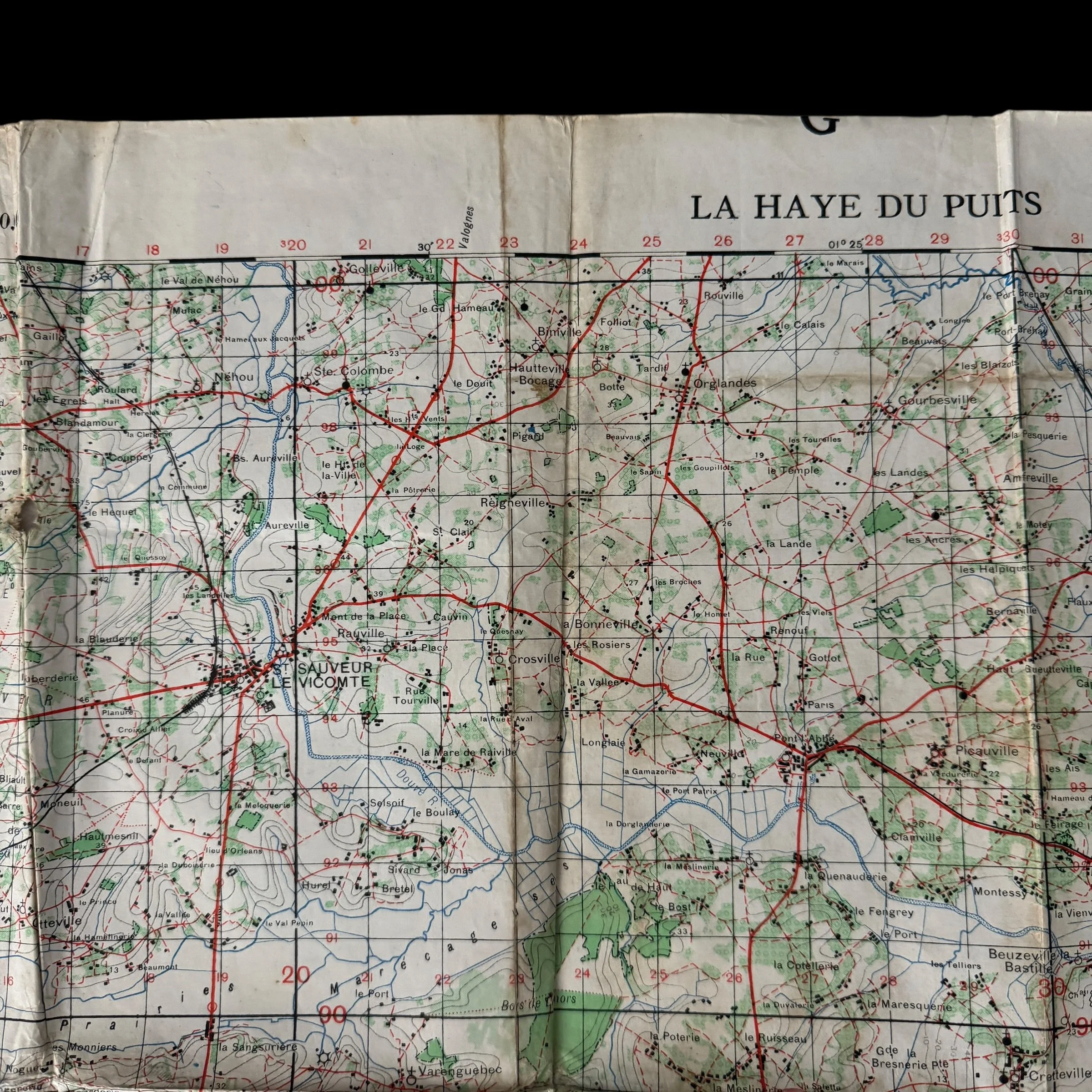
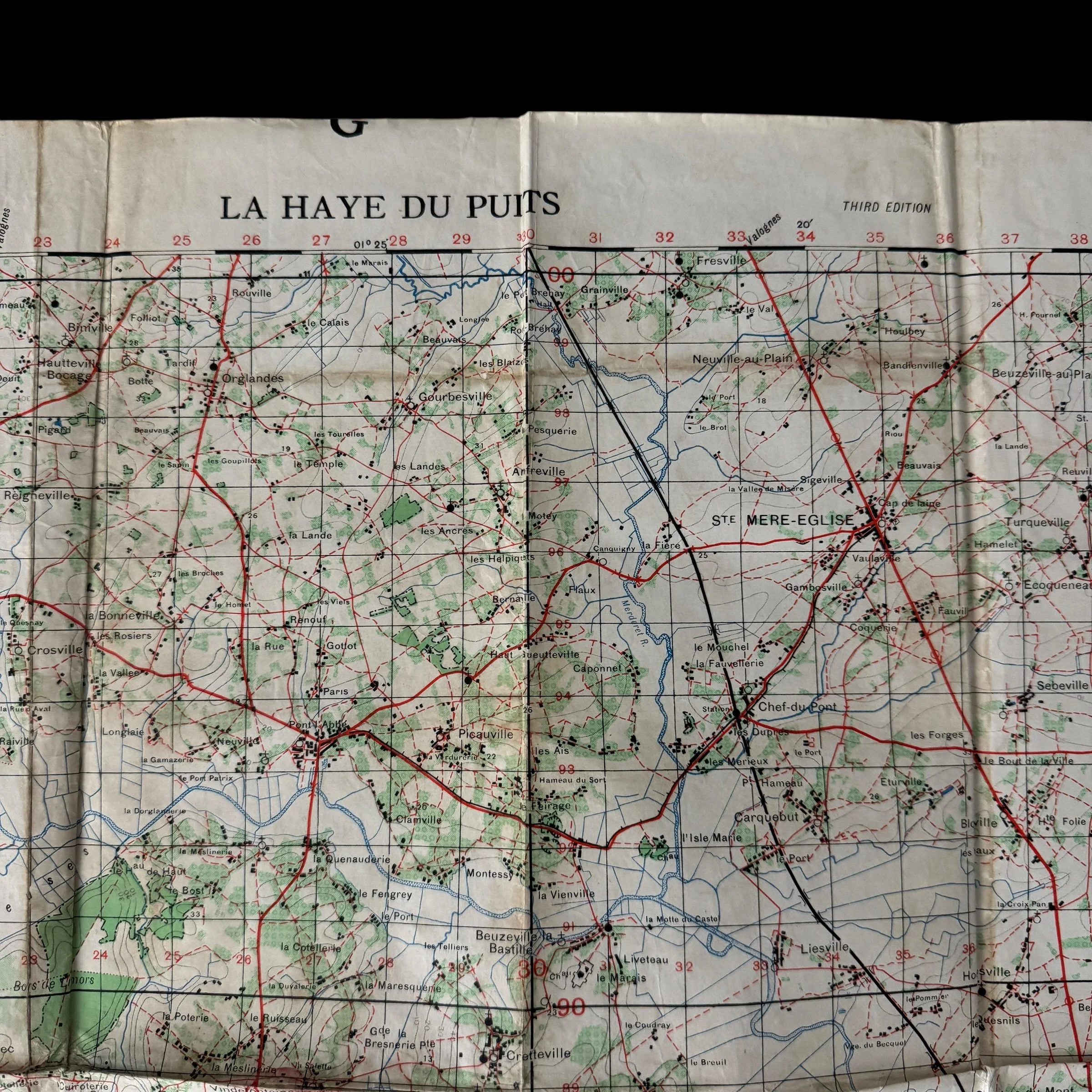
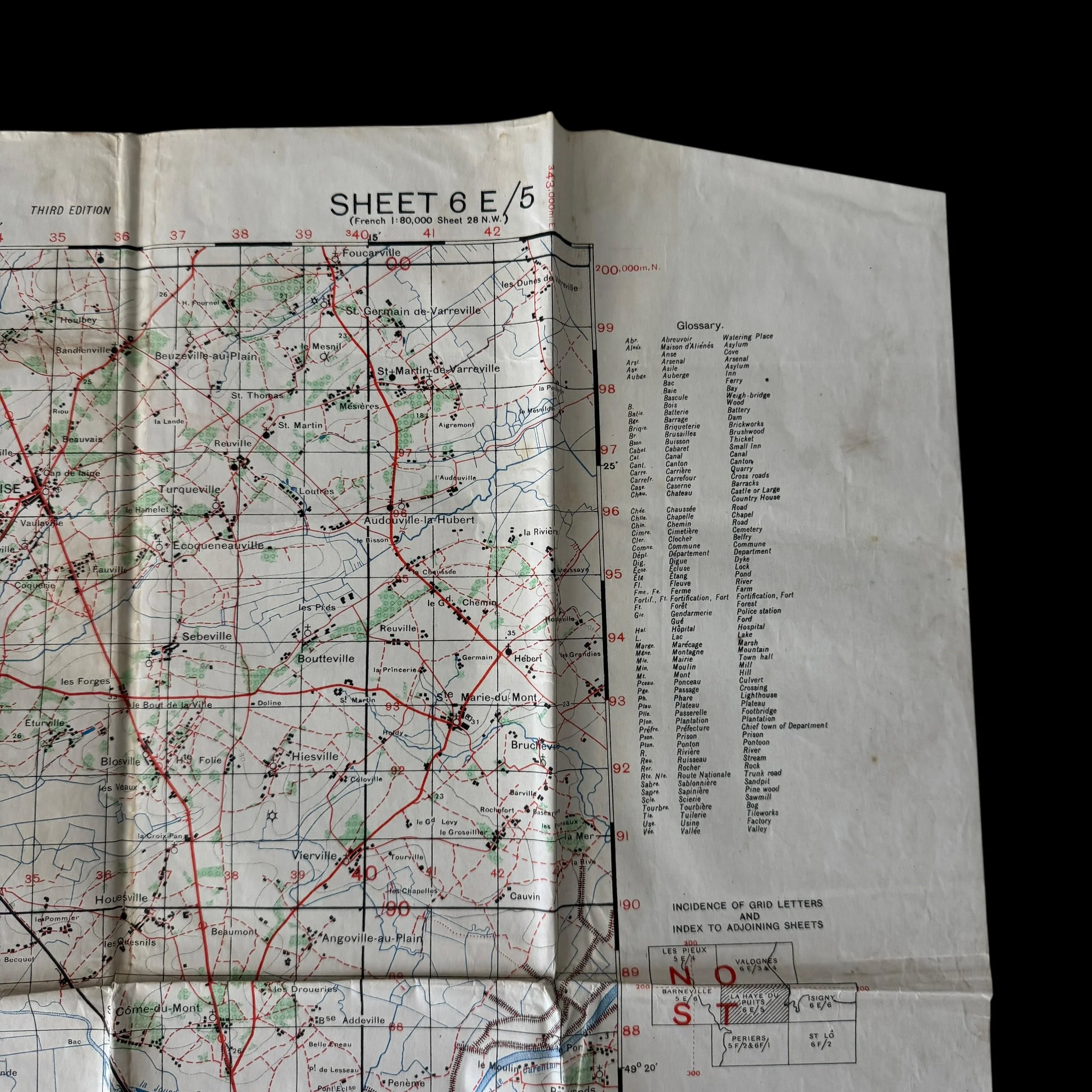
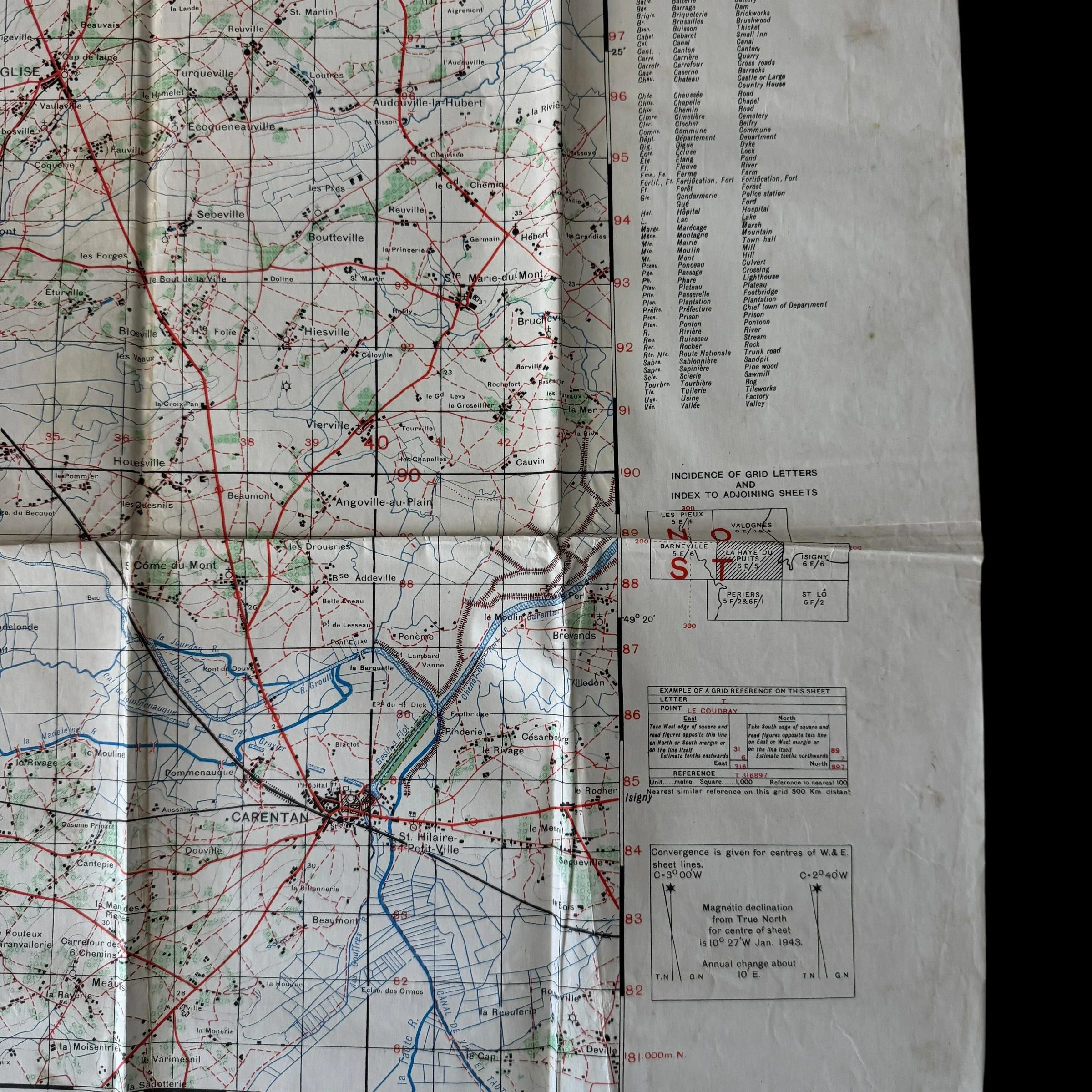
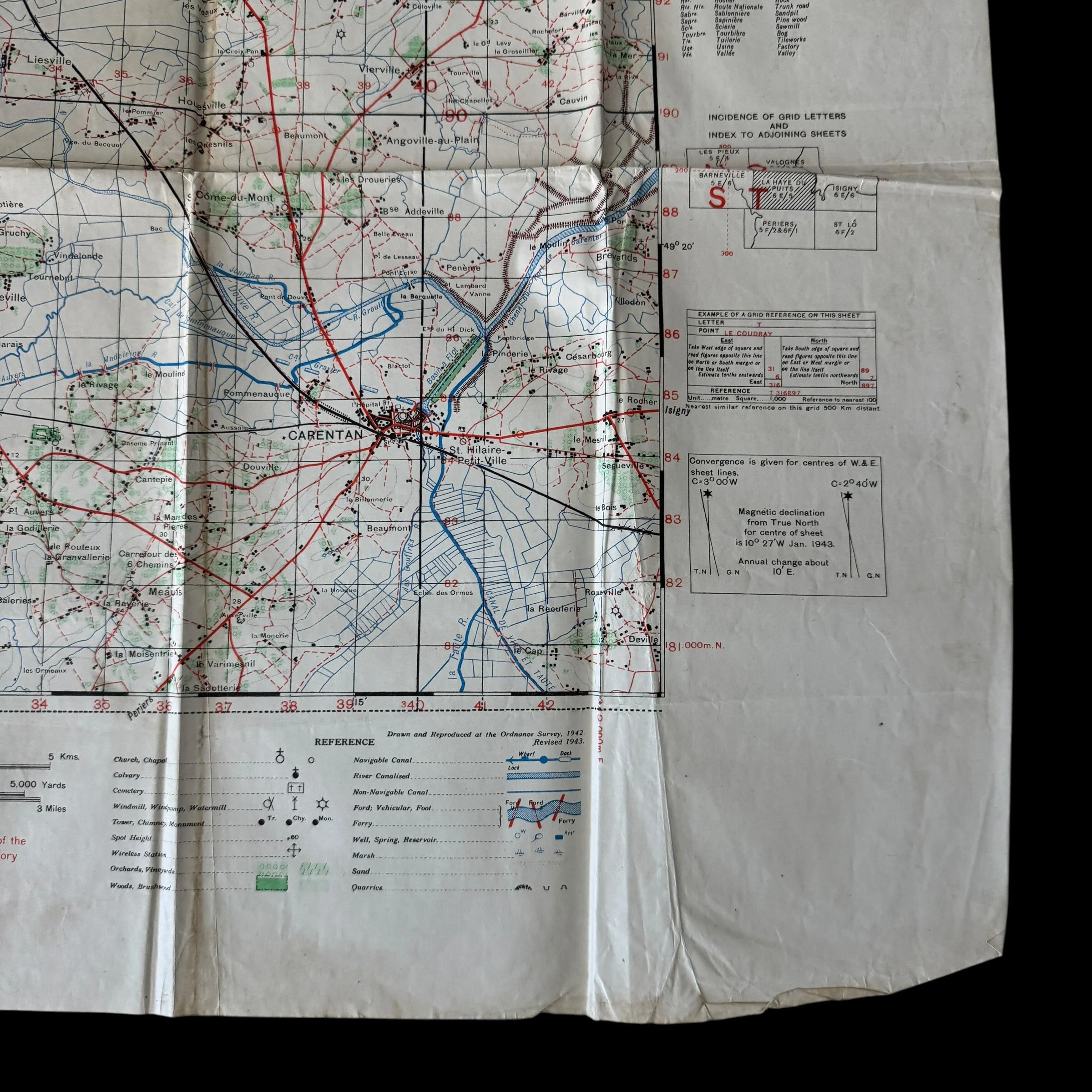
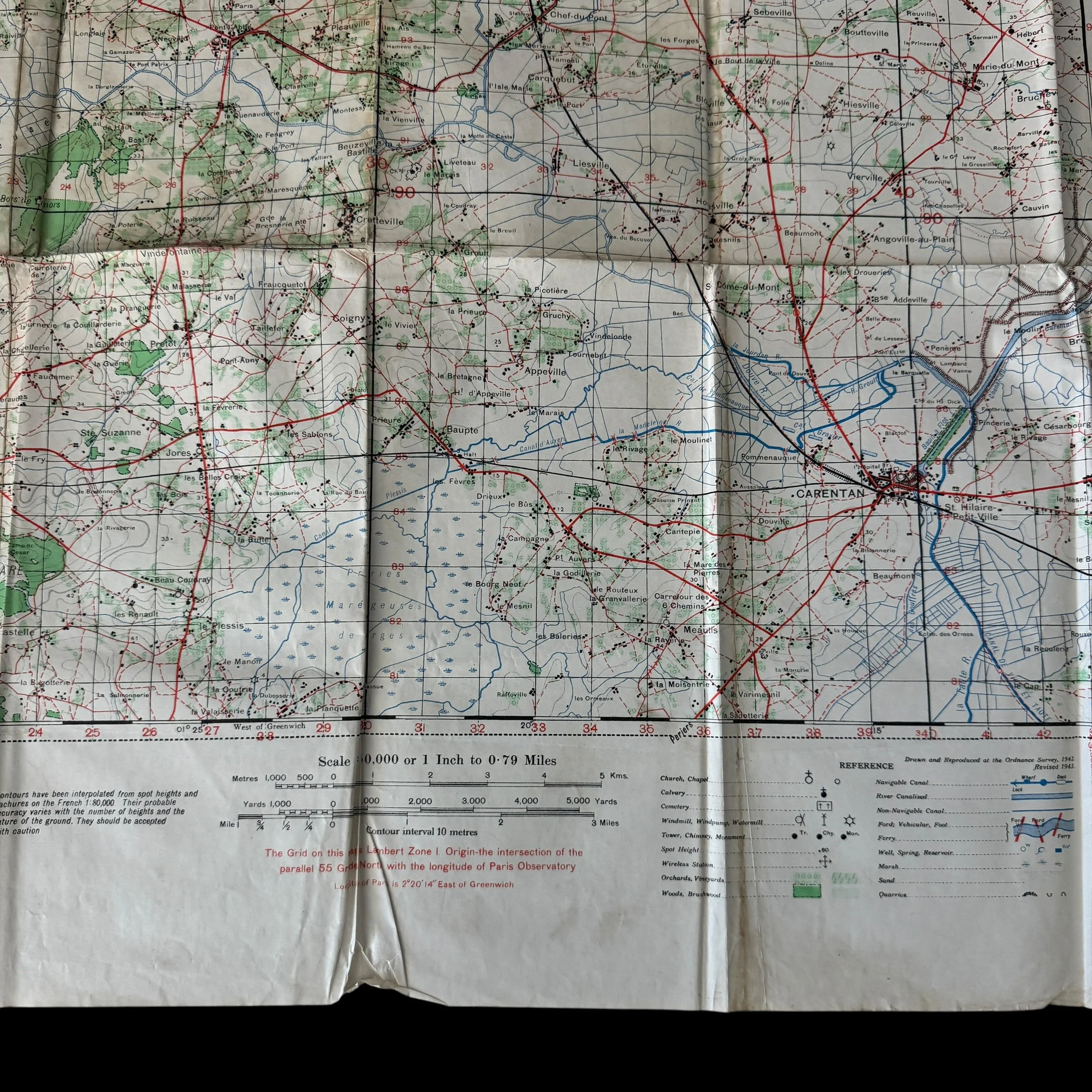
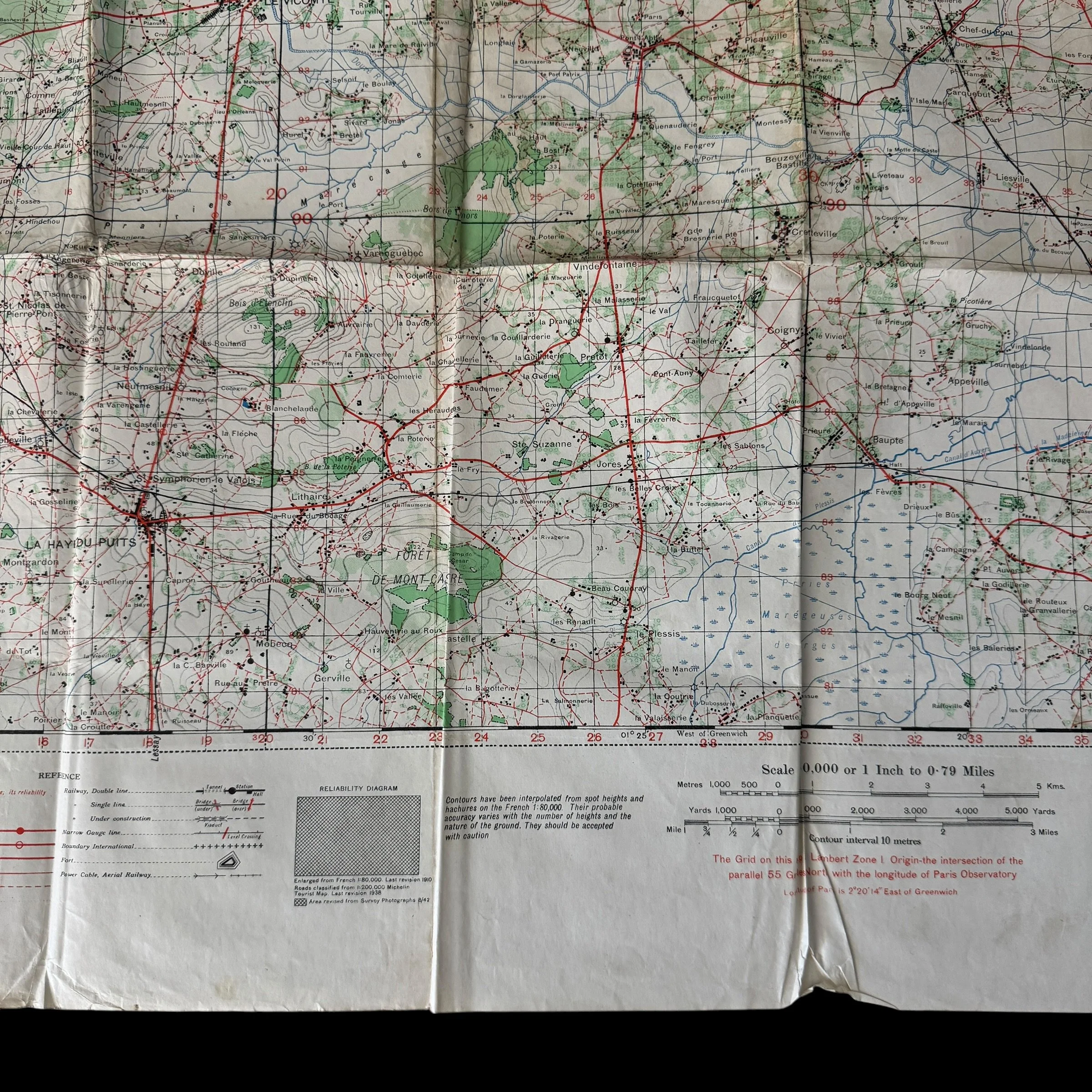
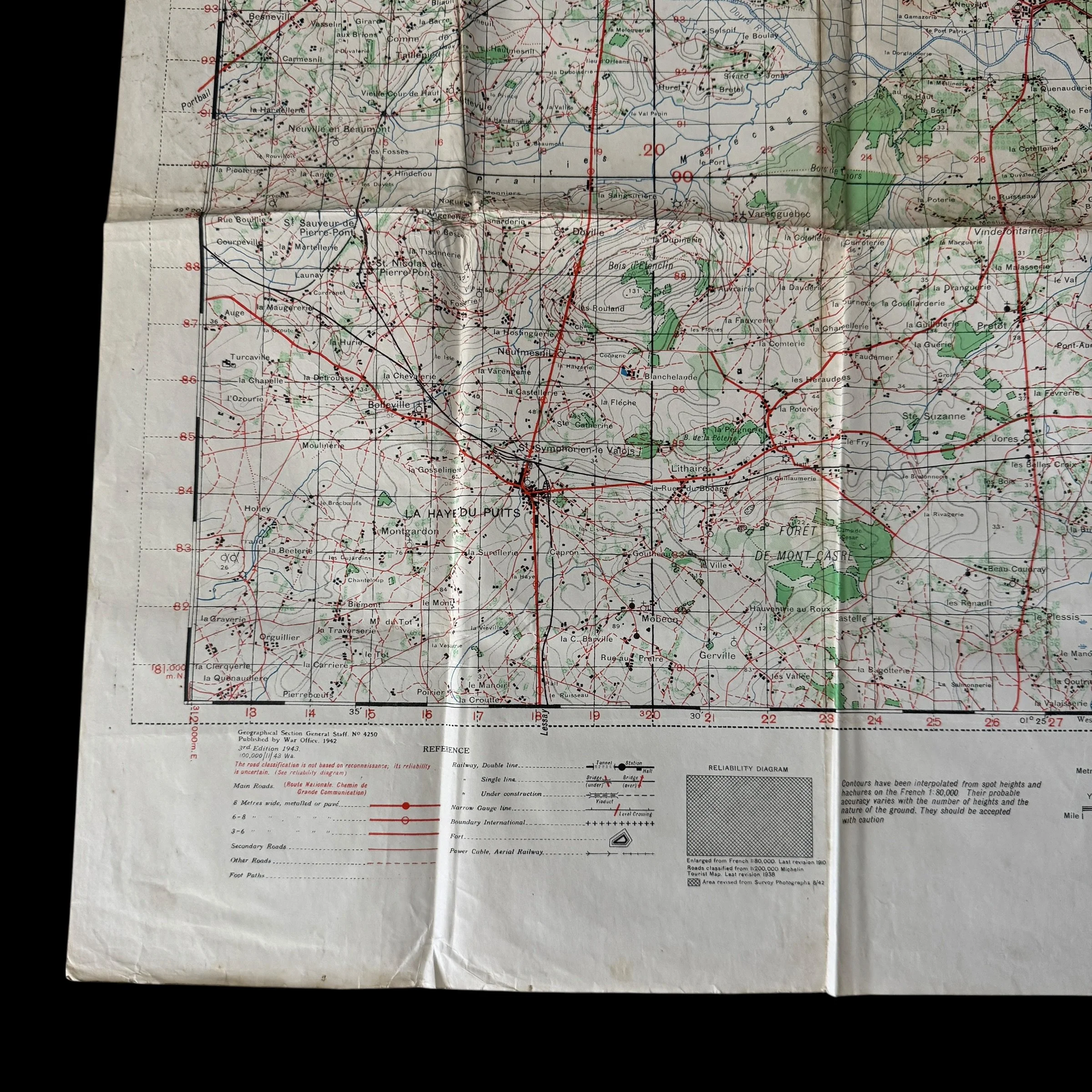
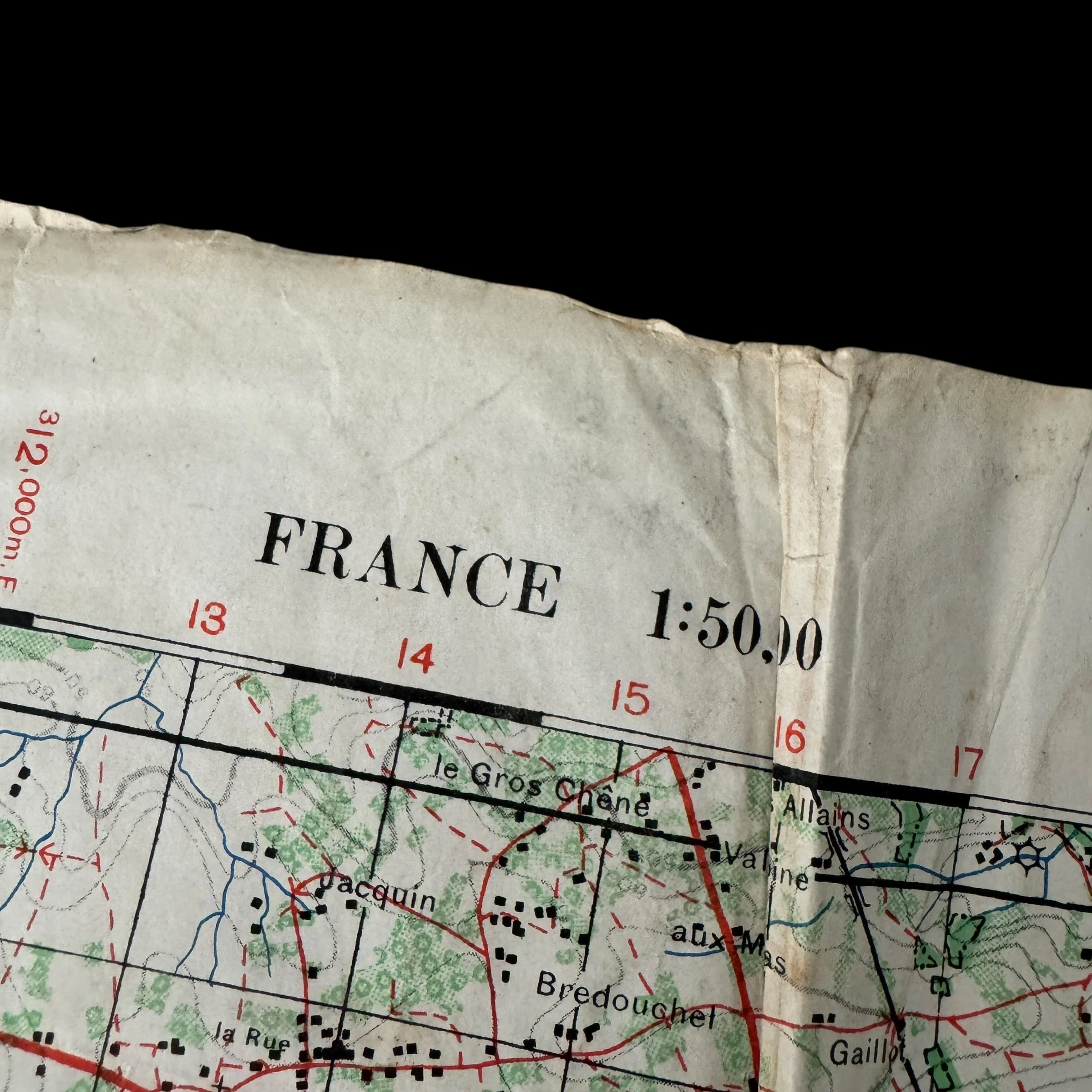
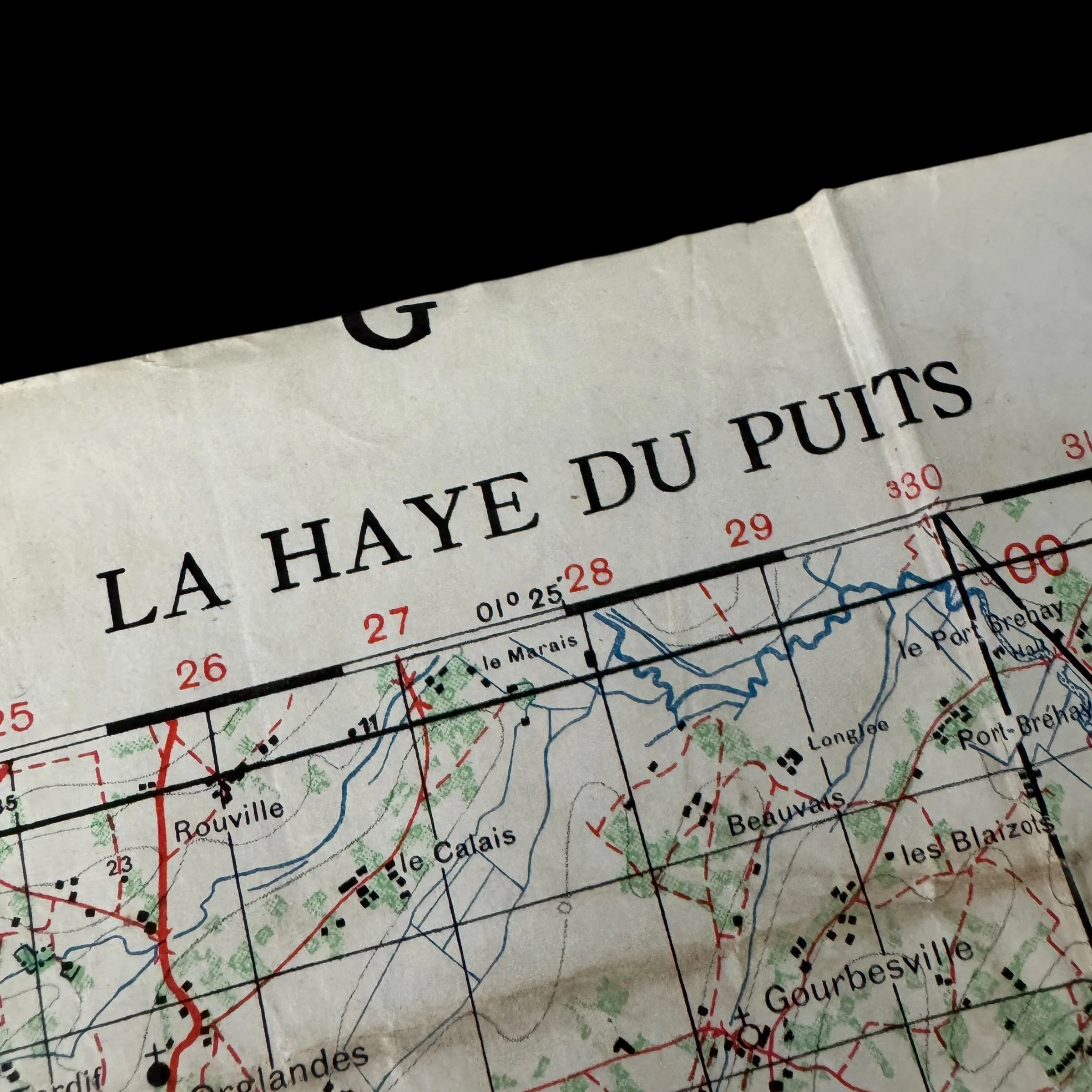
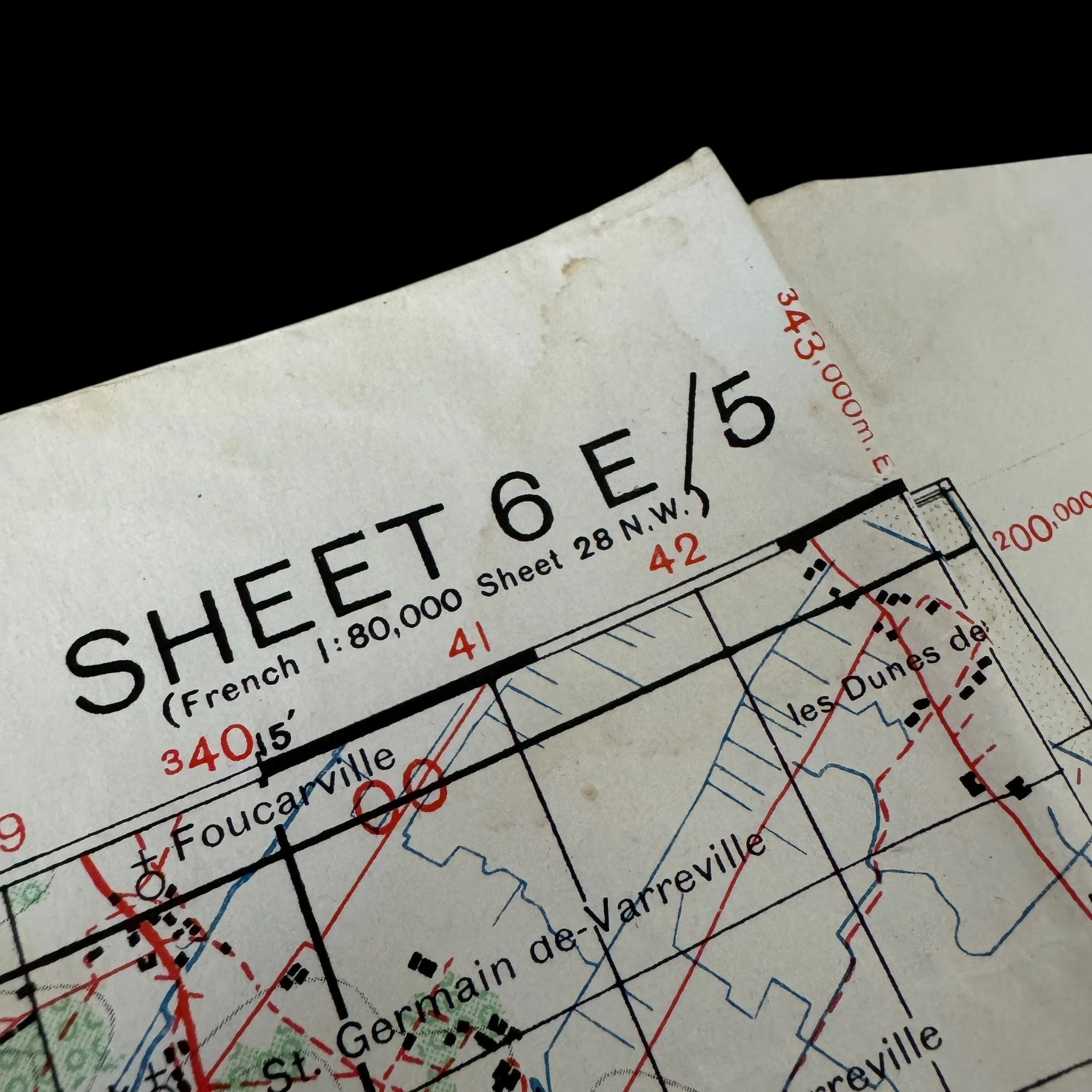
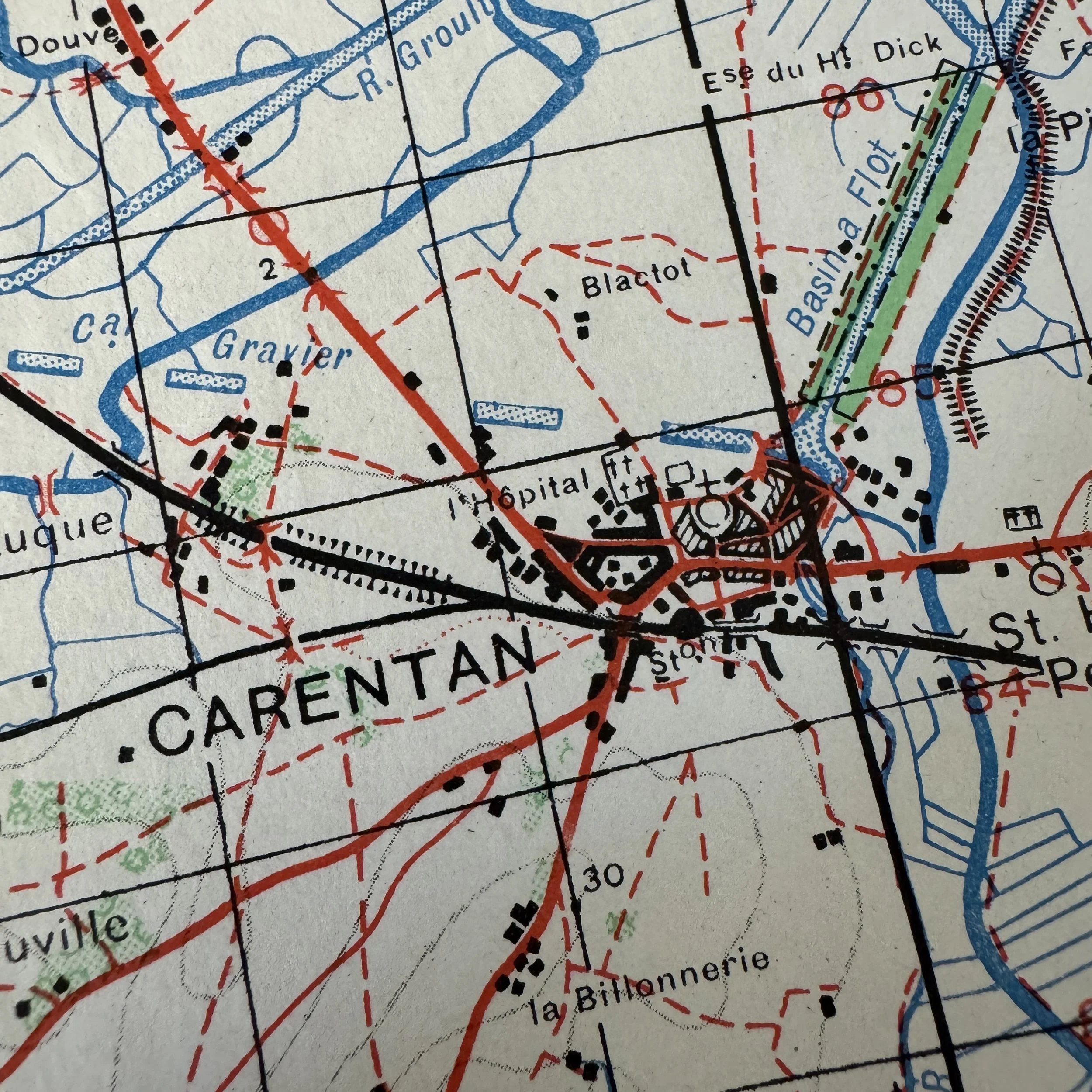
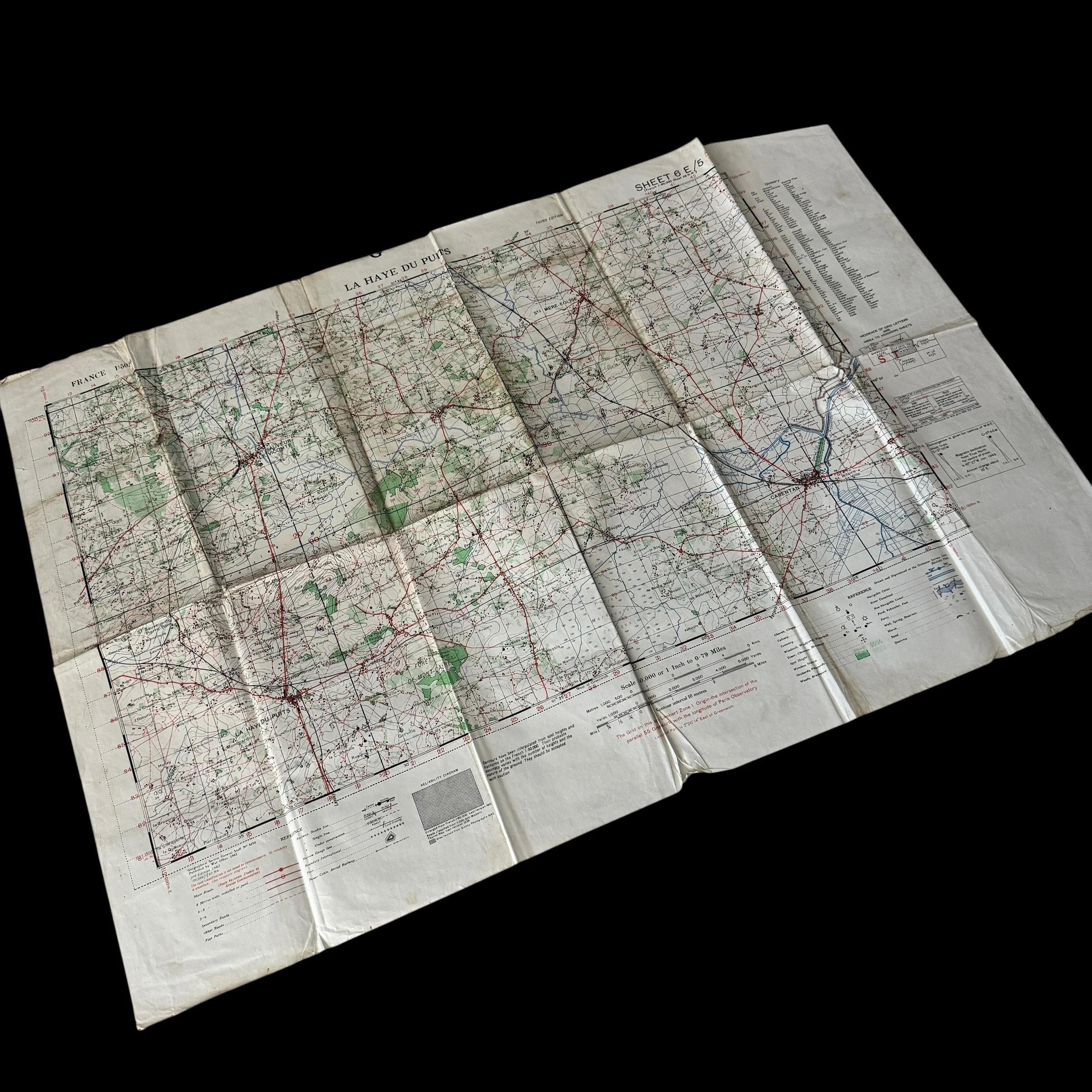
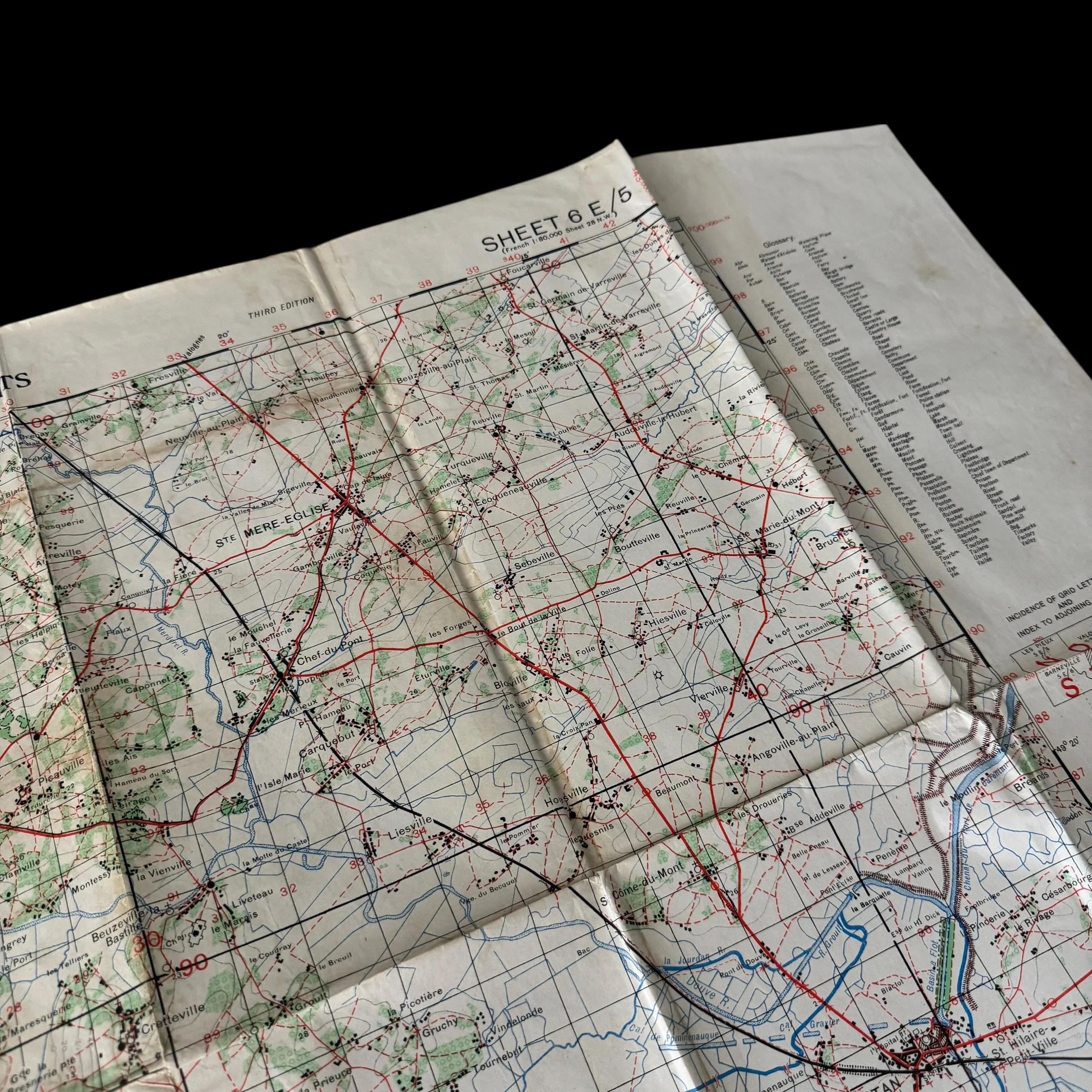
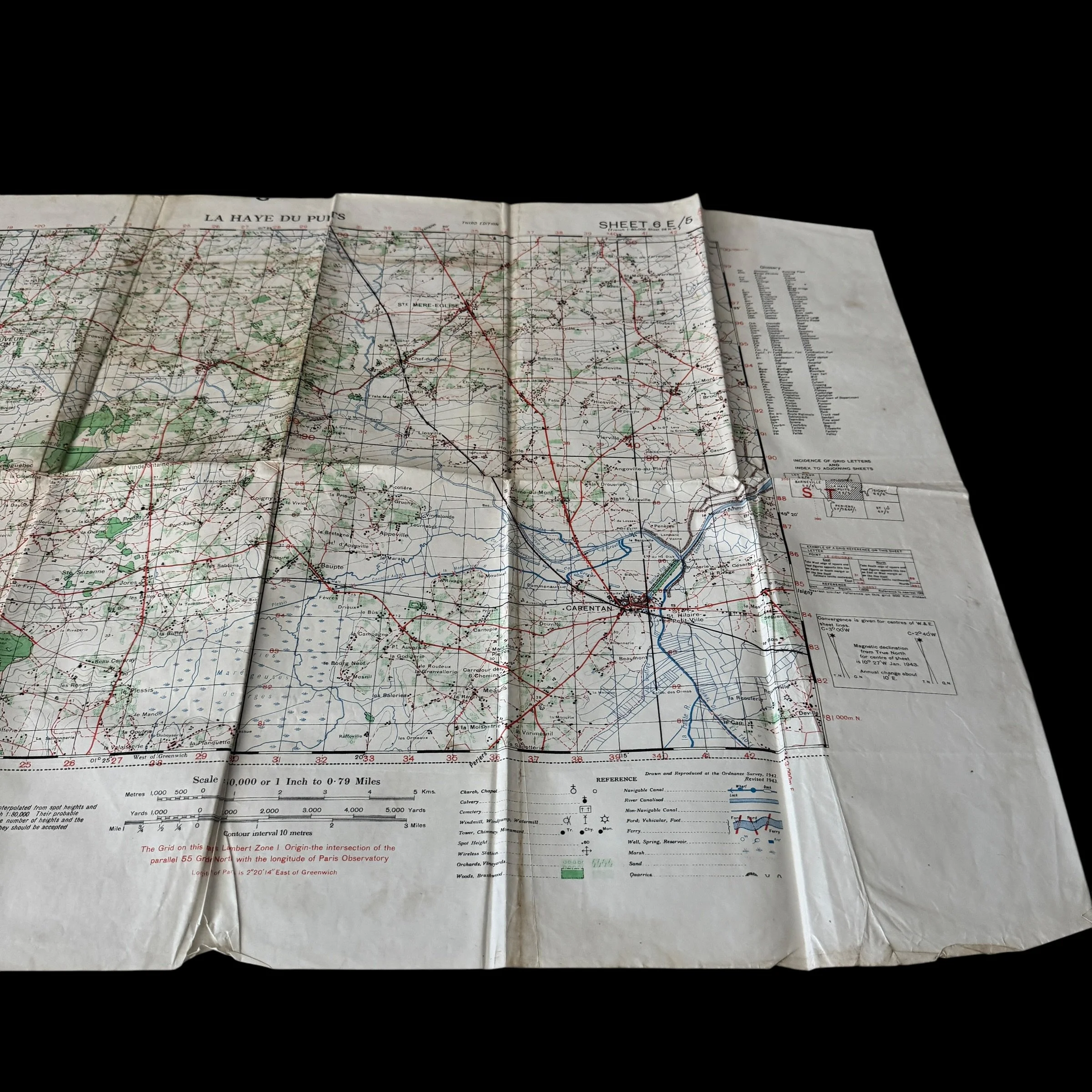
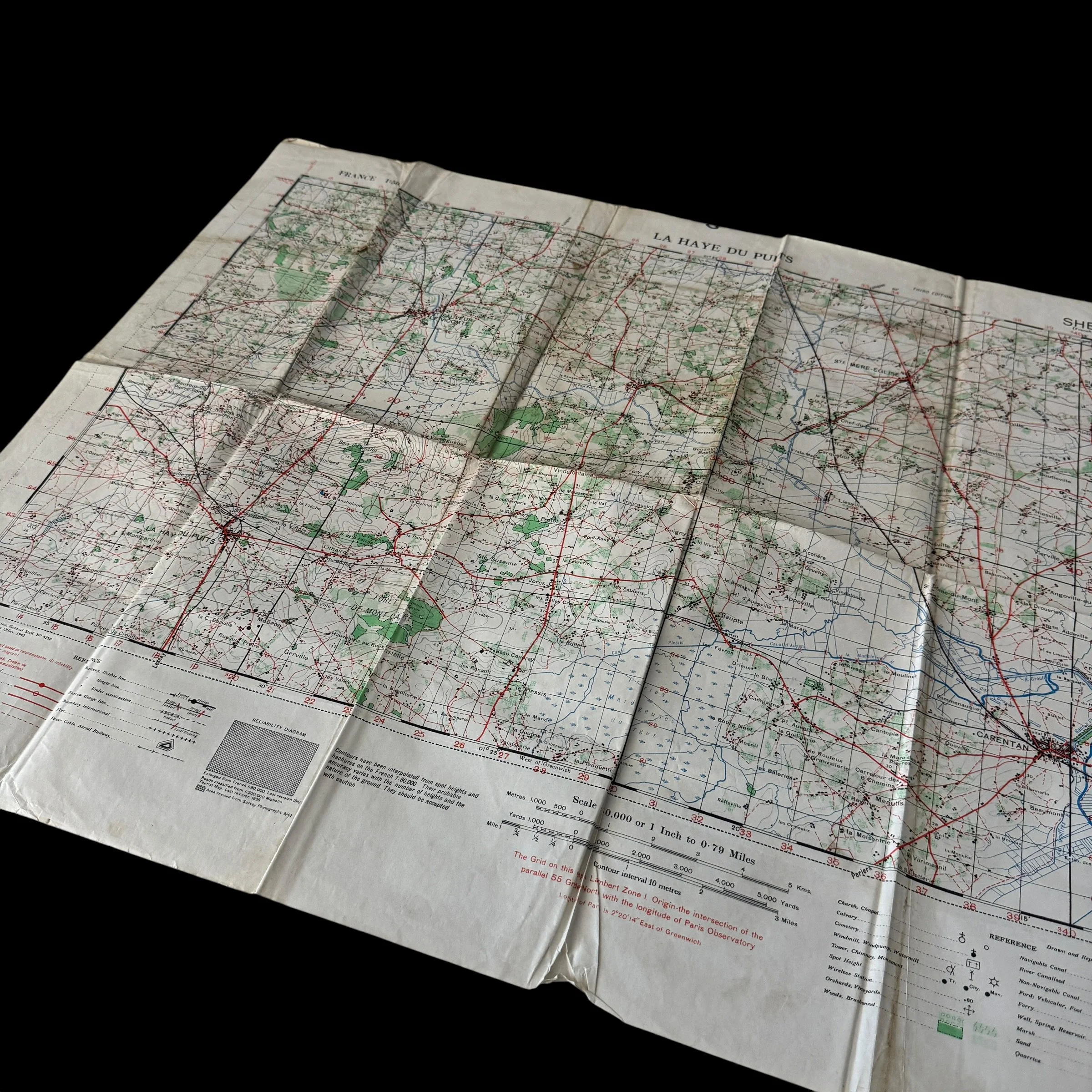
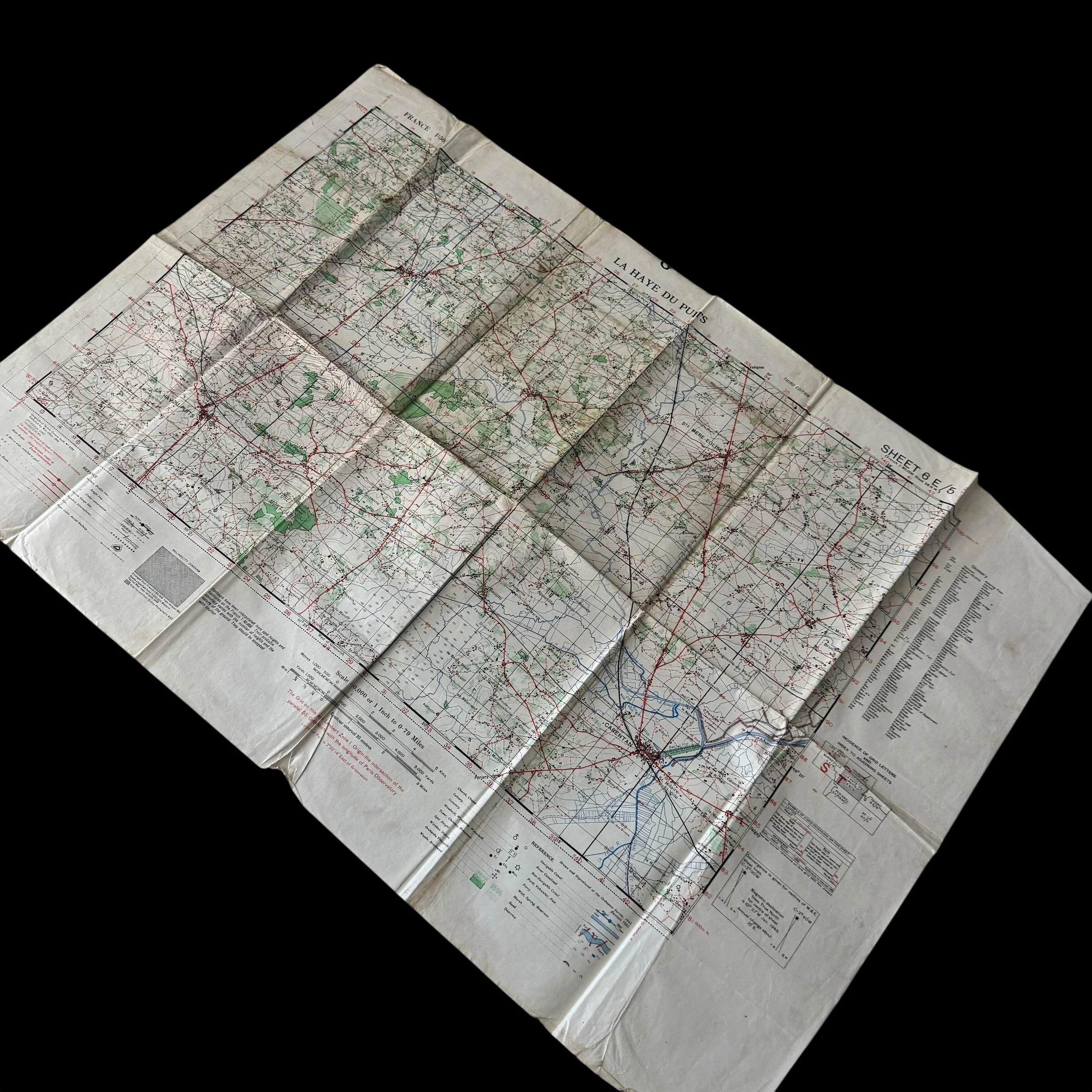
EXTREMELY RARE WWII June 6th, 1944 D-Day Sgt. Fredrick Zenk 82nd Airborne 505th PIR Sainte Mère Église Combat Used Drop Zone Map (Pathfinder Mission)
Comes with a hand-signed C.O.A.
EXTREMELY RARE - ONCE IN A LIFETIME D-DAY ARTIFACT
Size: 21 x 30 inches
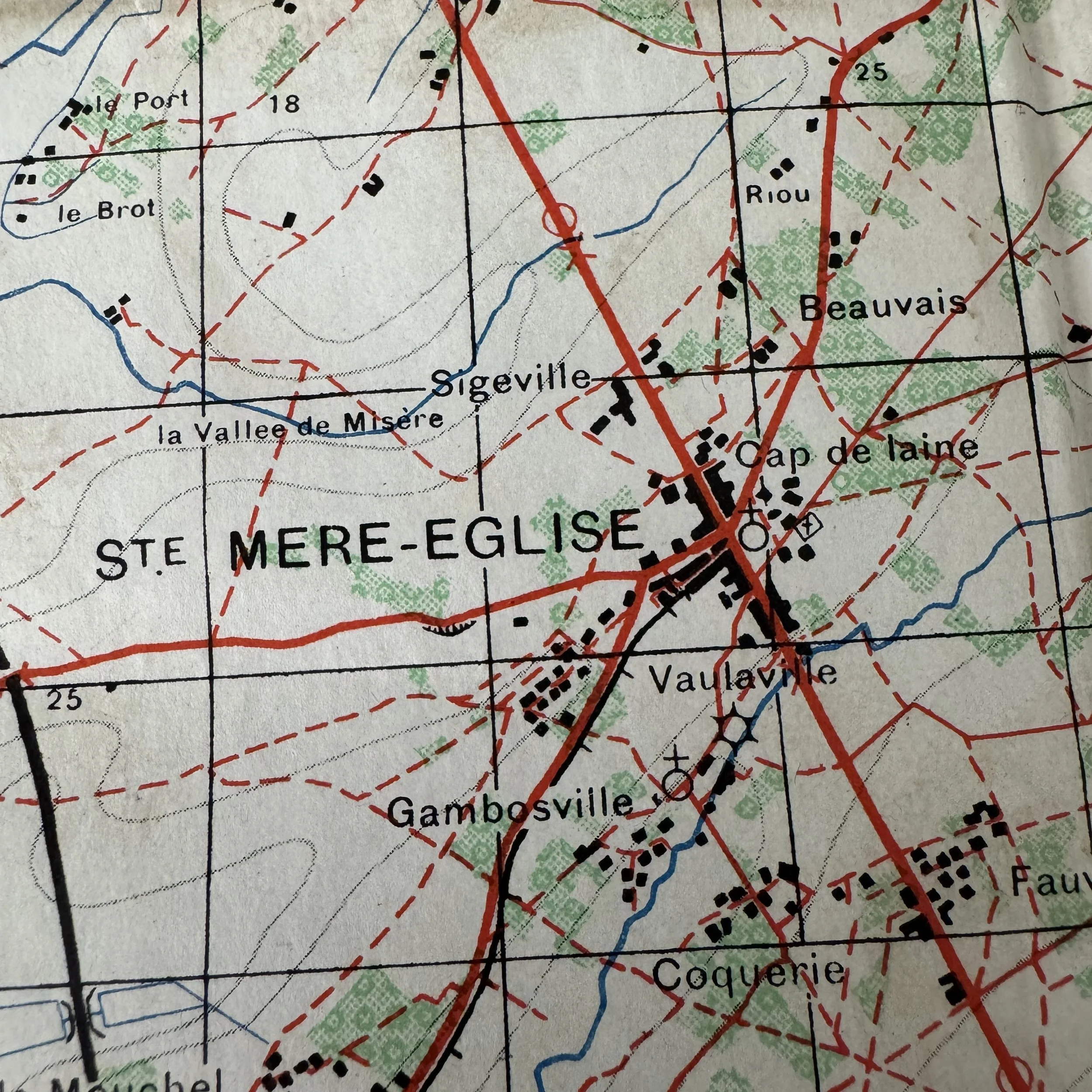
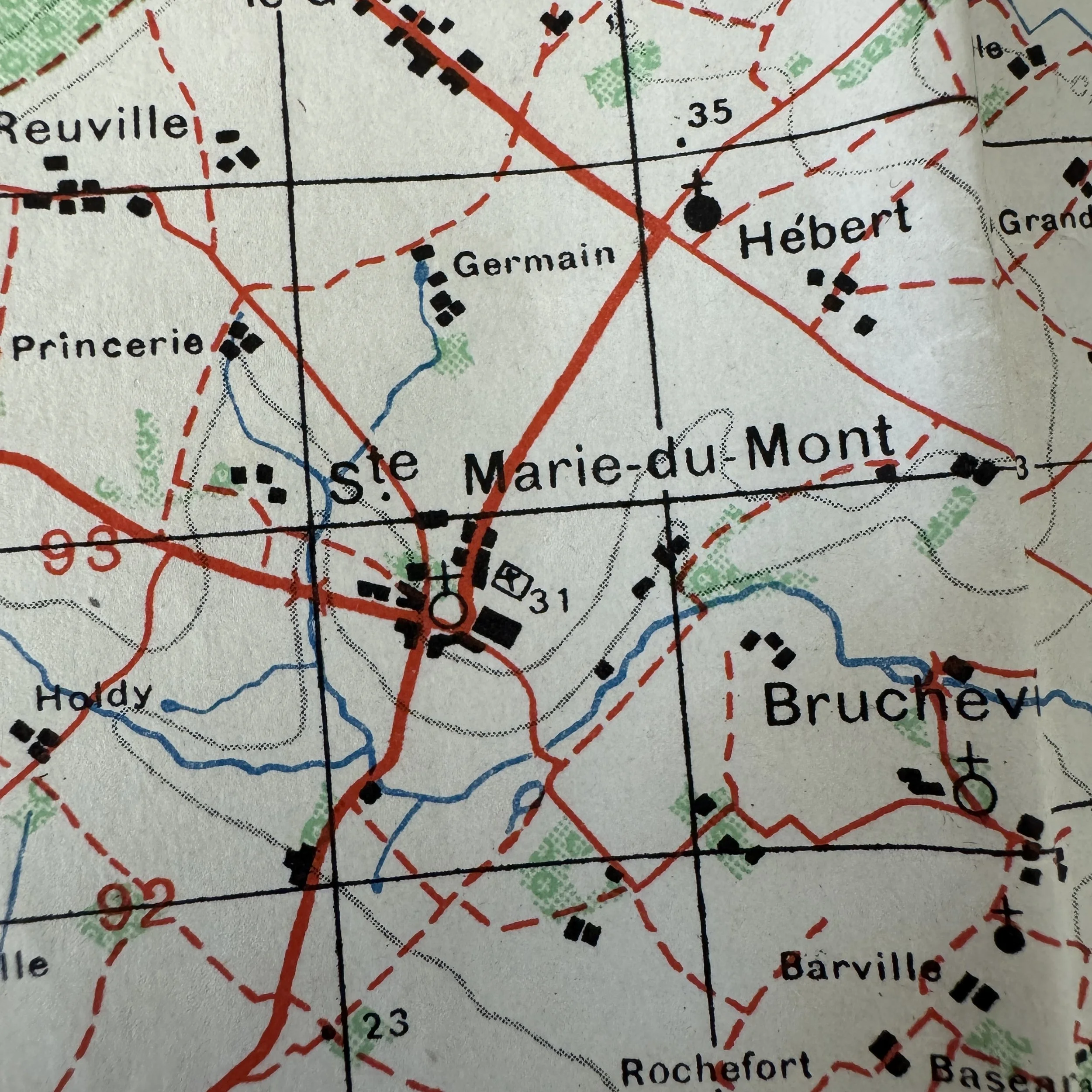
This extremely rare and museum-grade Operation Overlord D-Day combat assault map was carried into battle by Sgt. Fredrick (Fritz) Zenk of the 82nd Airborne 505th PIR on June 6th, 1944. Known as the “Pathfinders of D-Day”, Sgt. Zenk used this map during their Normandy drop to locate some of the fist D-Day objectives and liberate the town of Sainte Mère Église. This map was obtained directly from Fredrick H. Zenk in 2007 along with other artifacts from his time serving in Sicily, Normandy (D-Day), Holland (Market Garden - Assault on the Nijmegen Bridge), Belgium (Battle of the Bulge - St. With), final push into Germany 1945.
In his D-Day memoir, Zenk writes about heading to Saltby Airfield in England in the morning hours of June 5.
"Never saw so many military in one place before," he said.
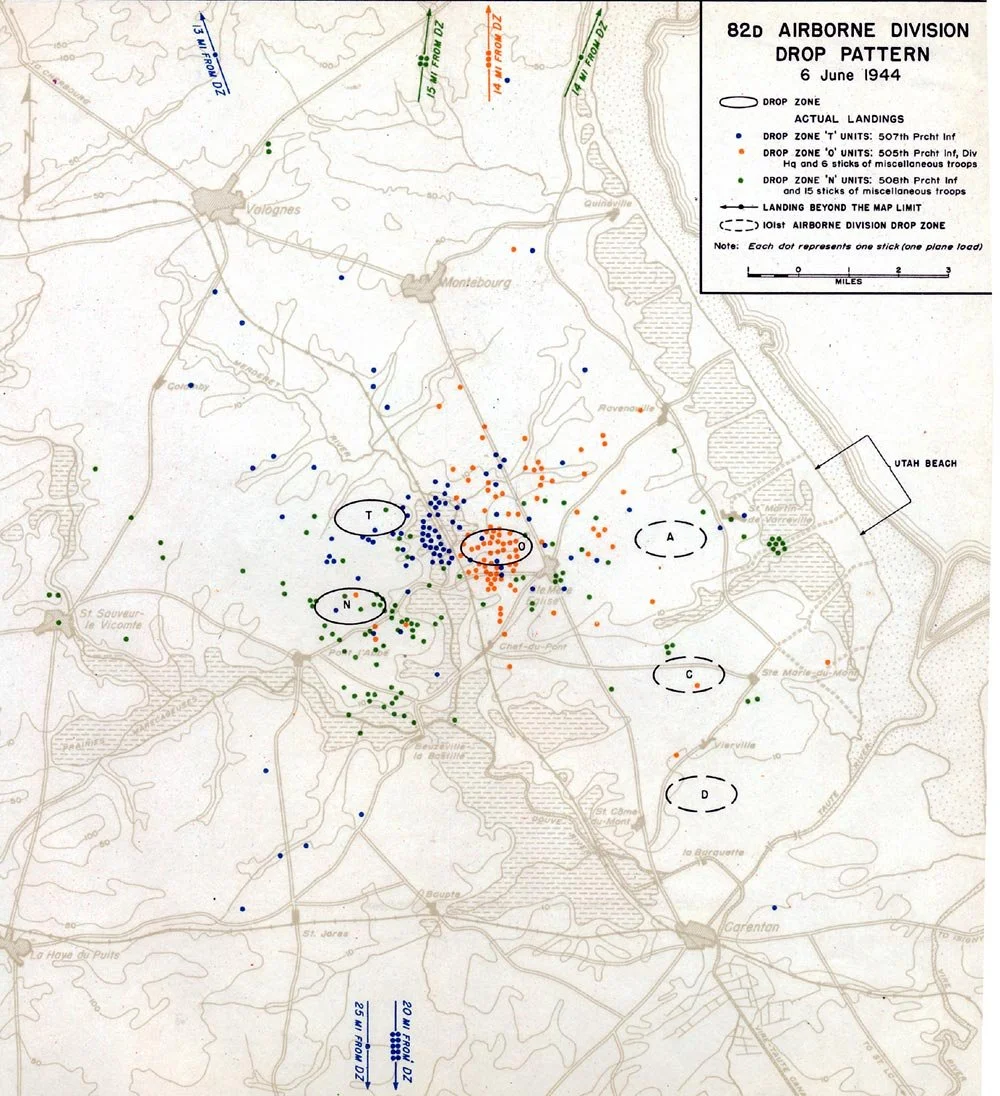
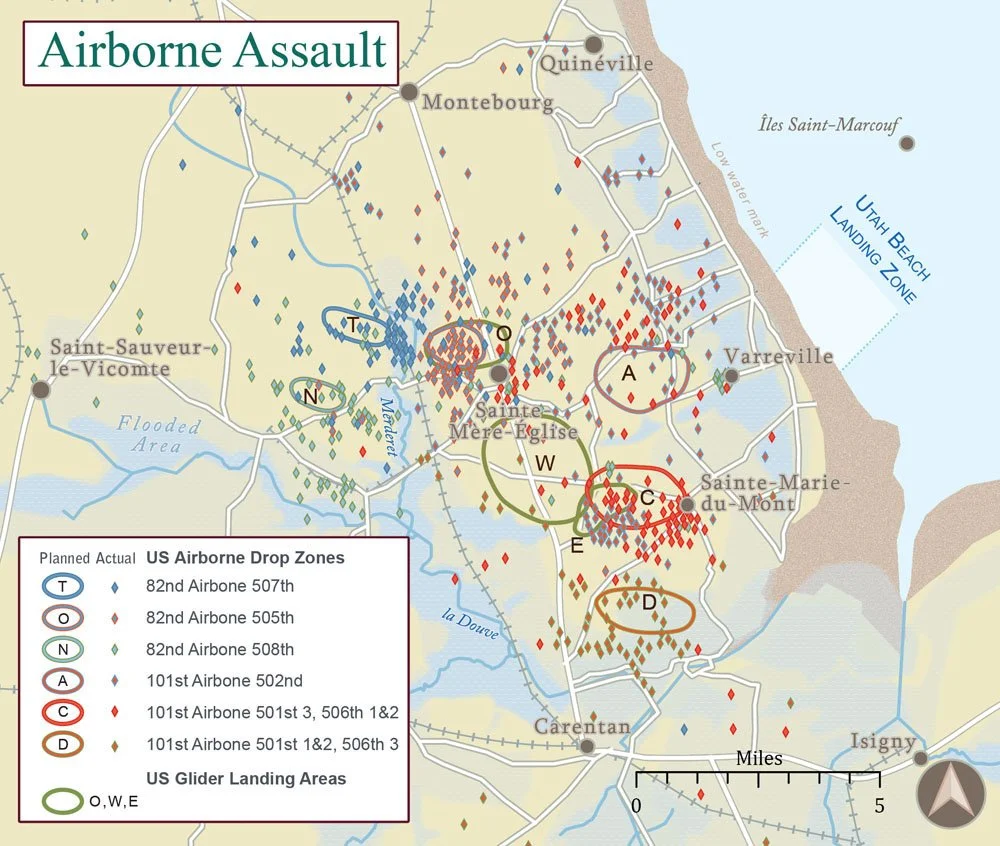
As dusk set in, the 82nd Airborne led an armada of 378 planes across the English Channel to the Normandy, France coastline. Zenk, a platoon sergeant by this point in the war, was the last to leave the C-47, as he put it, "to make sure everyone else is pushed out the door." His team landed in relatively close proximity to one another, roughly within a mile, while many other teams were scattered in the darkness and fog.
"It turned out to be a blessing in disguise," Zenk wrote in his memoir, "because the enemy didn't know how many, where we were, or what we were going to do. Throughout our army training, we were taught to be a fighting unit of one, and so we were."
Sgt. Zenk landed in a garden nursery, barely missing a glass greenhouse. He met up with most of his troops the following afternoon and was tasked with preventing movement of enemy troops toward Utah Beach, where "thousands of Allied troops" were being unloaded. The Germans attacked in the early morning, Zenk said, but his group held their ground. A second group of paratroopers dropped in behind the enemy, causing most of the attacking troops to surrender.
"Troops, some with white flags waving, started streaming up the hilly road with hands clasped behind their heads, seemingly glad the war was over for them," Zenk wrote.
During the 33-day operation, the 82nd Airborne helped liberate the area, engaged and crippled several German divisions, and destroyed 44 artillery batteries and 62 German tanks in the process.
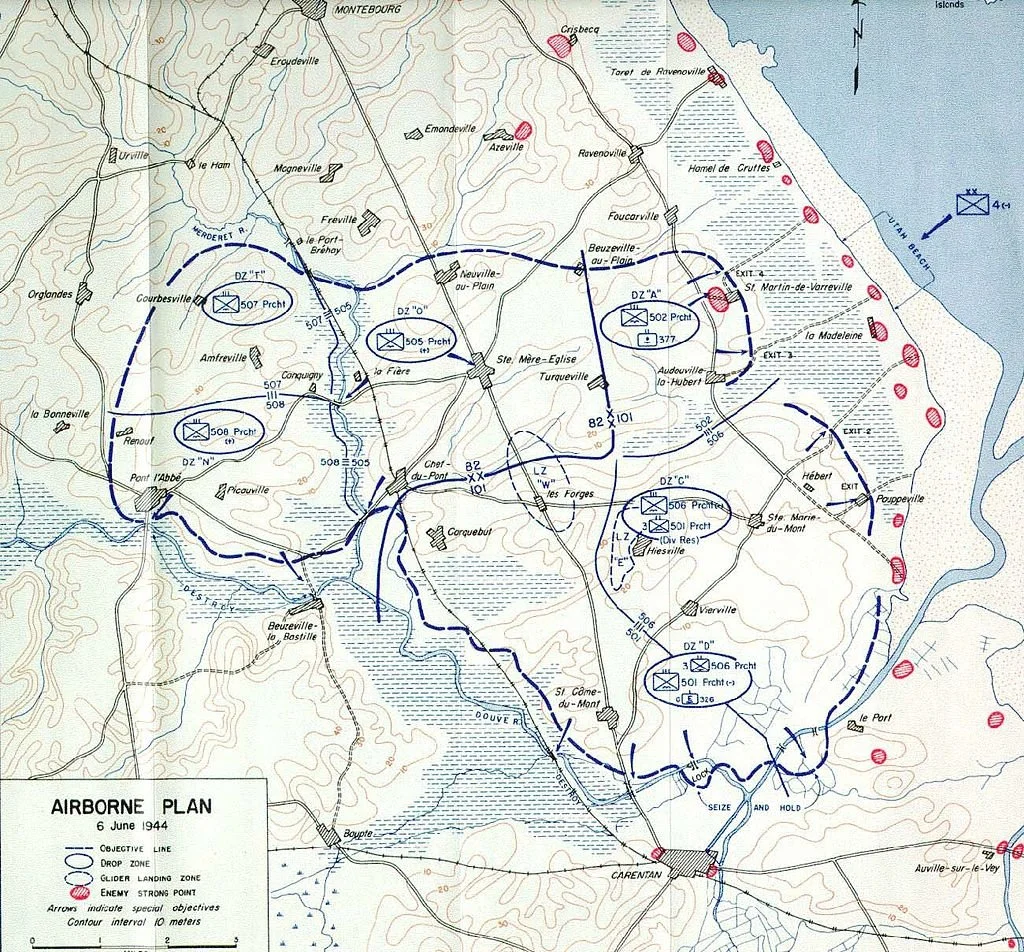
In the early hours of June 6, 1944, Sgt. Zenk and the 505th Parachute Infantry Regiment of the 82nd Airborne Division carried out one of the most precise airborne drops of Operation Overlord. Commanded by Colonel James M. Gavin, the regiment jumped into Normandy shortly after midnight, hours before the amphibious landings began along the coast.
Because they landed ahead of the main invasion timetable, the paratroopers earned the nickname “H Minus.” Pathfinder teams had already marked the drop zones with signal lights and radio beacons, allowing a remarkable number of aircraft to place their sticks of paratroopers close to their intended landing areas.
The regiment consisted of the 1st Battalion under Major Frederick Kellam, the 2nd Battalion under Lieutenant Colonel Ben Vandervoort, and the 3rd Battalion under Lieutenant Colonel Edward Krause.
One of their most significant achievements was the capture and defense of the town of Sainte Mère Église, which became the first town liberated in France during the invasion. At the same time, elements of the regiment secured vital crossings over the Merderet River at La Fière and Chef du Pont, positions that were essential for preventing German counterattacks and for enabling Allied forces to expand the beachhead once troops from the Utah Beach landings pushed inland later that morning.