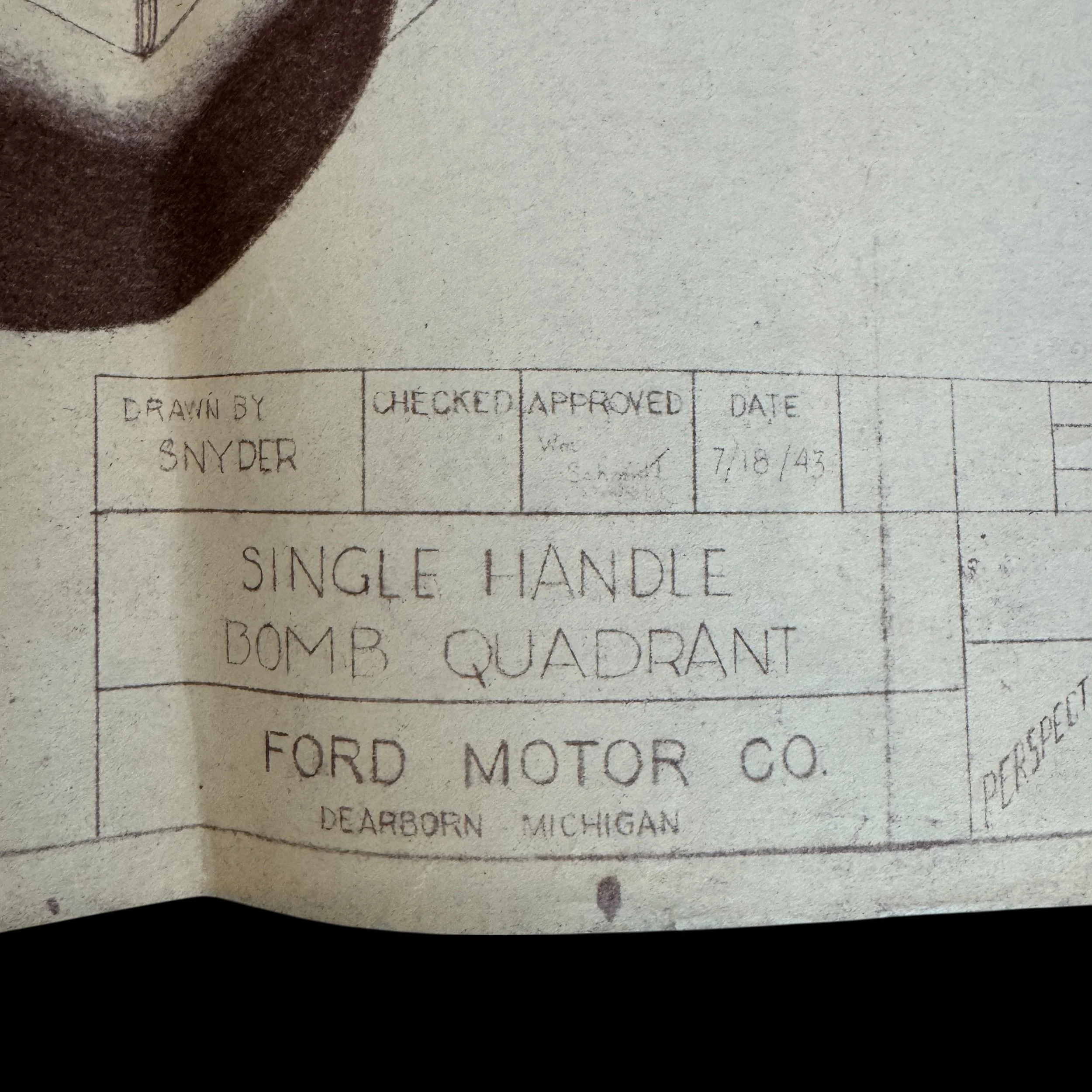
VERY RARE! WWII July 1943 U.S. Army B-24 Liberator Ford Motor Company "Single Handle Bombardier Bomb Release Lever " Engineering Aircraft Blueprint
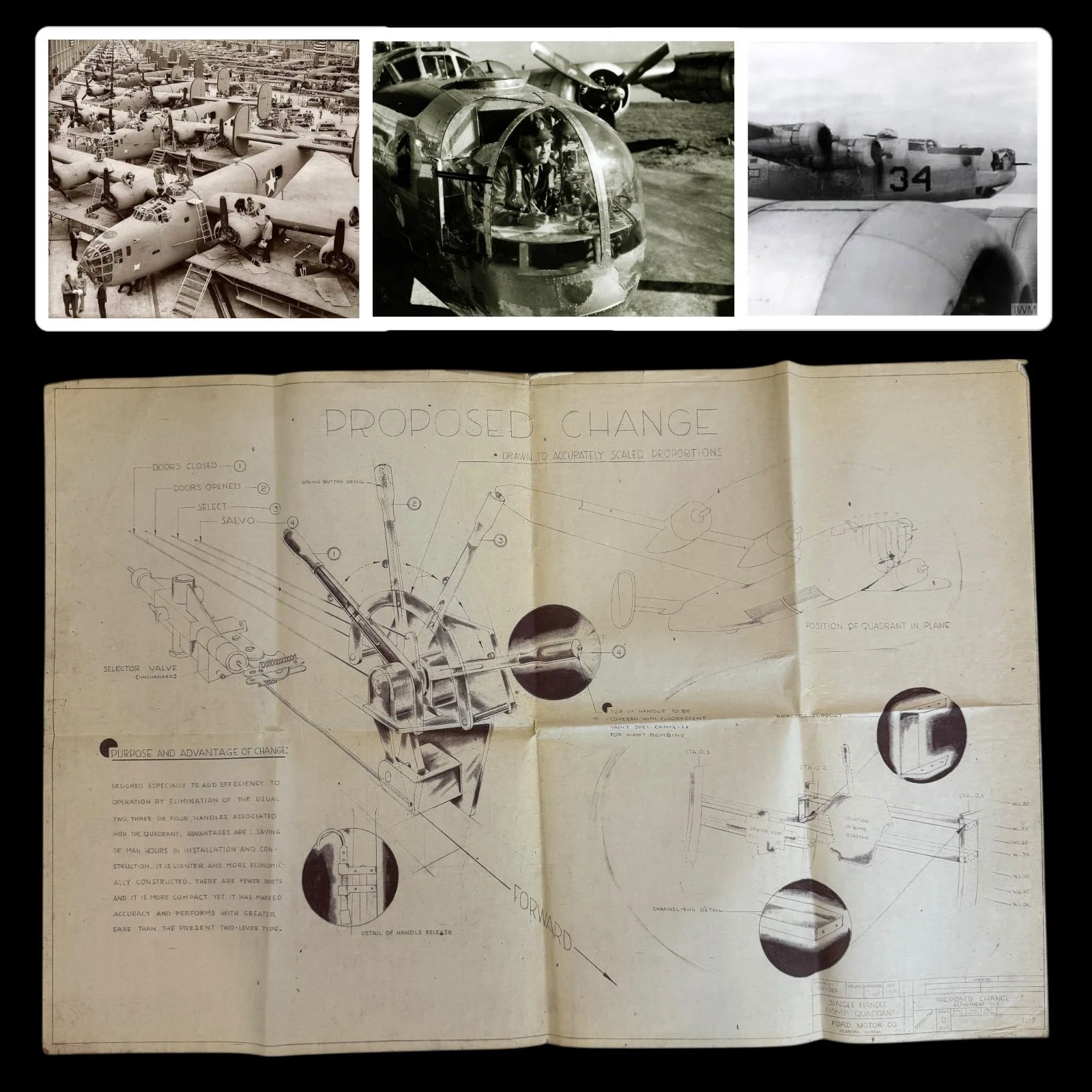
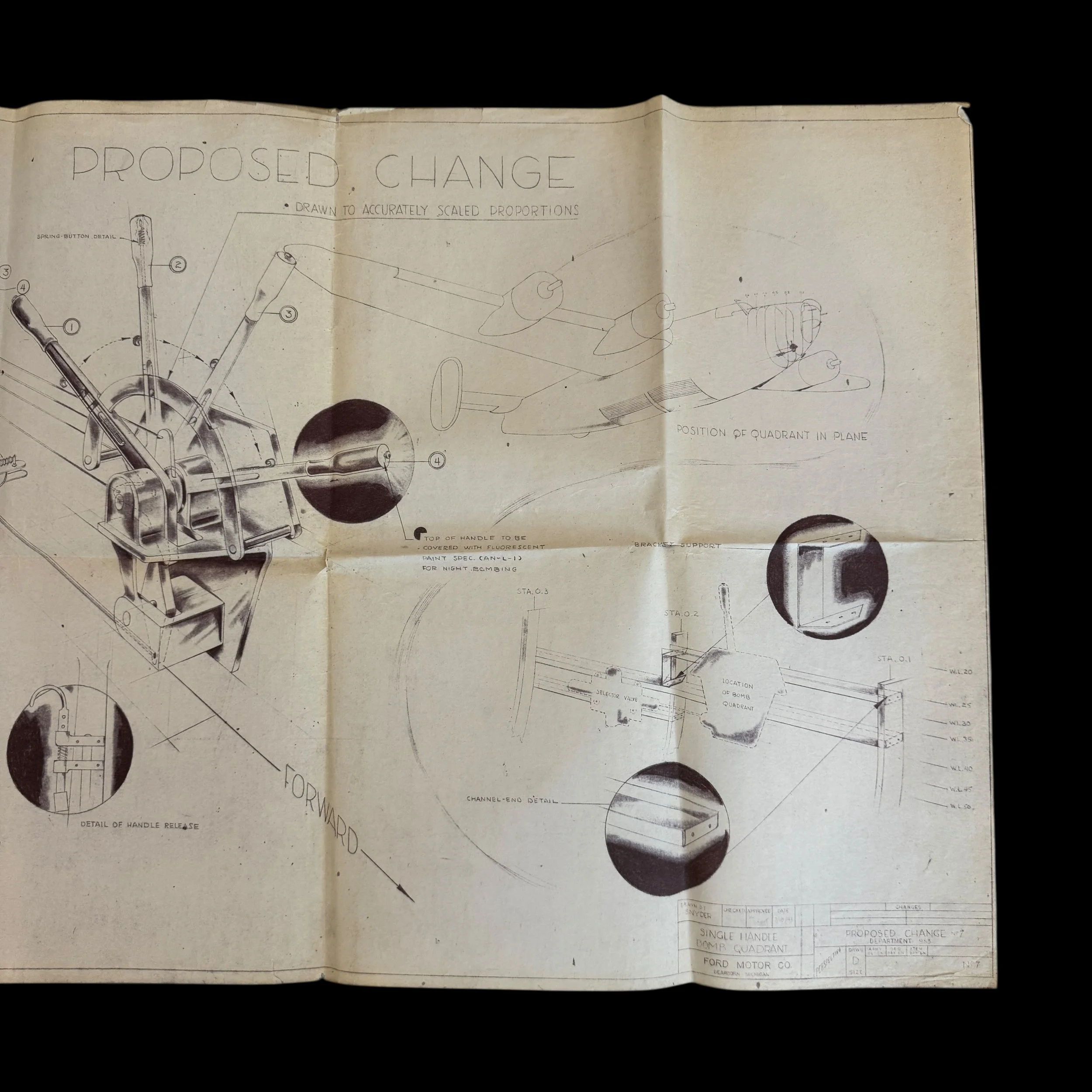
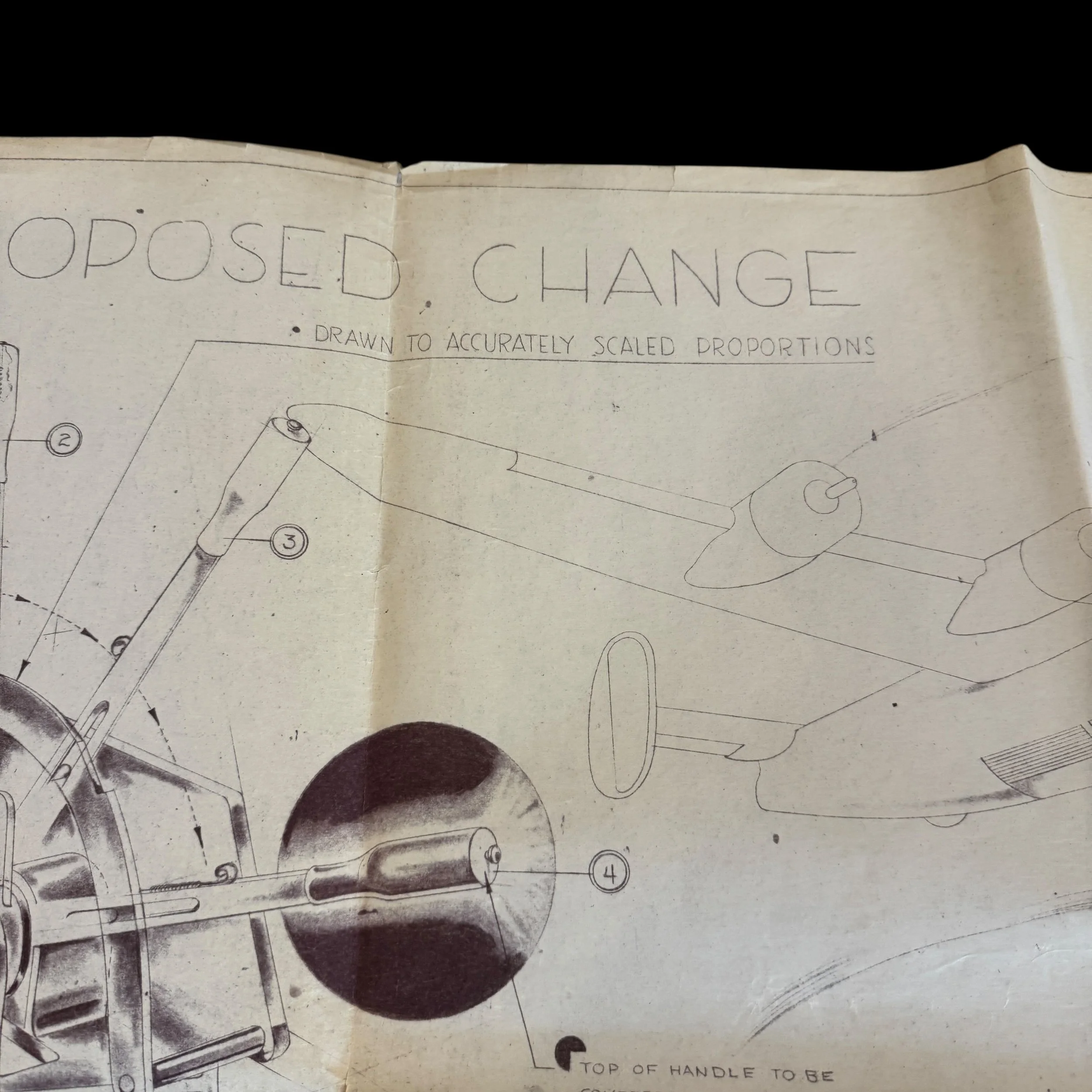
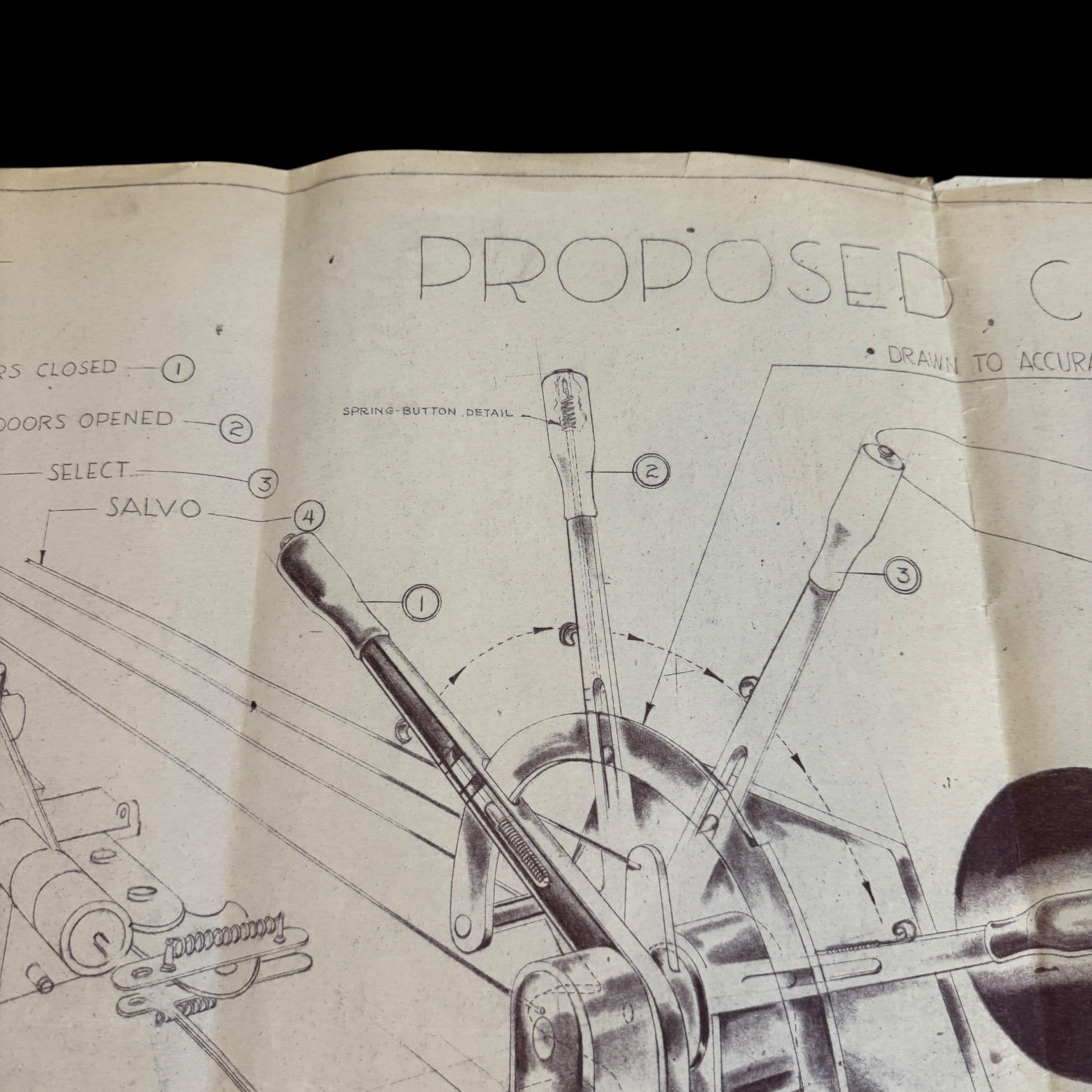
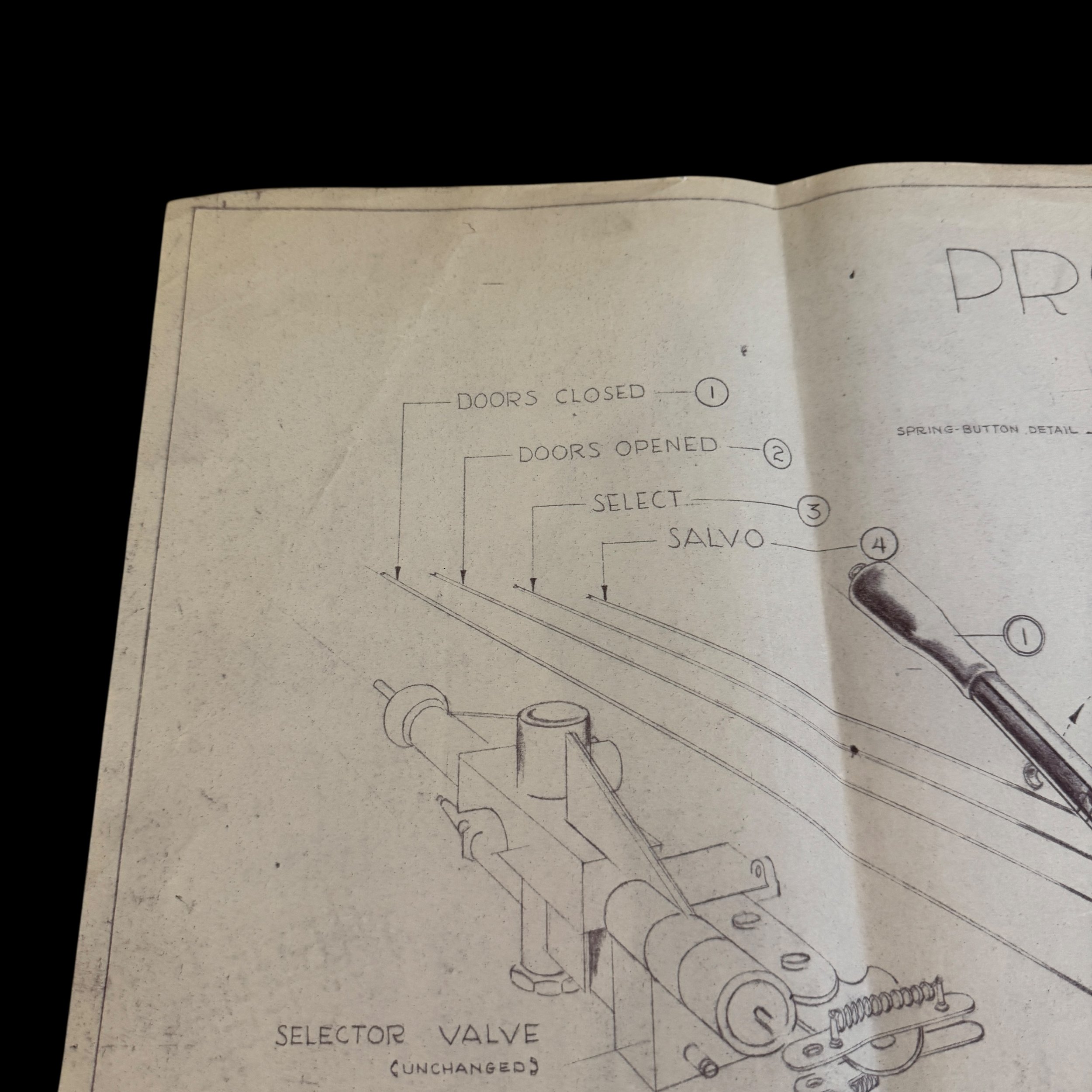
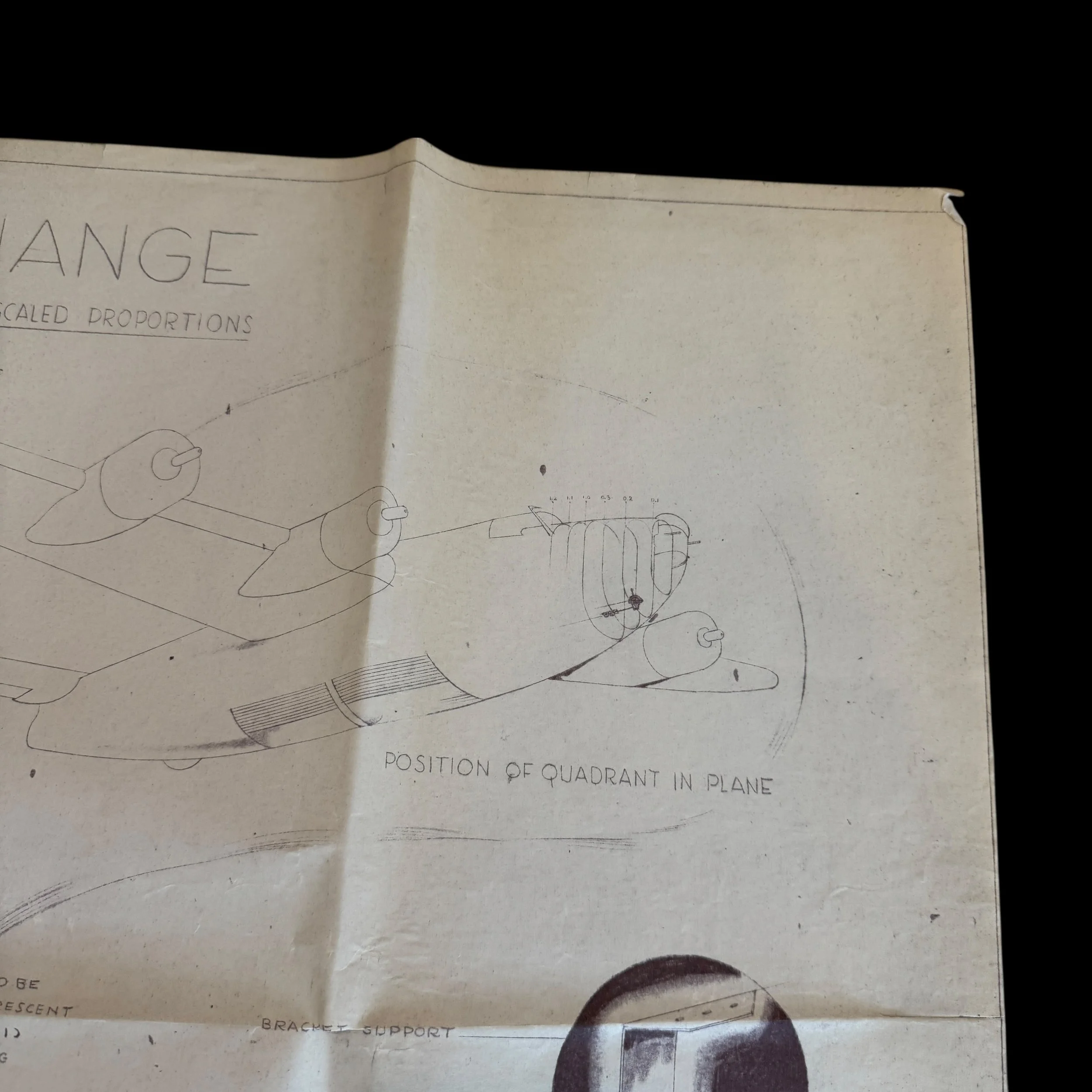
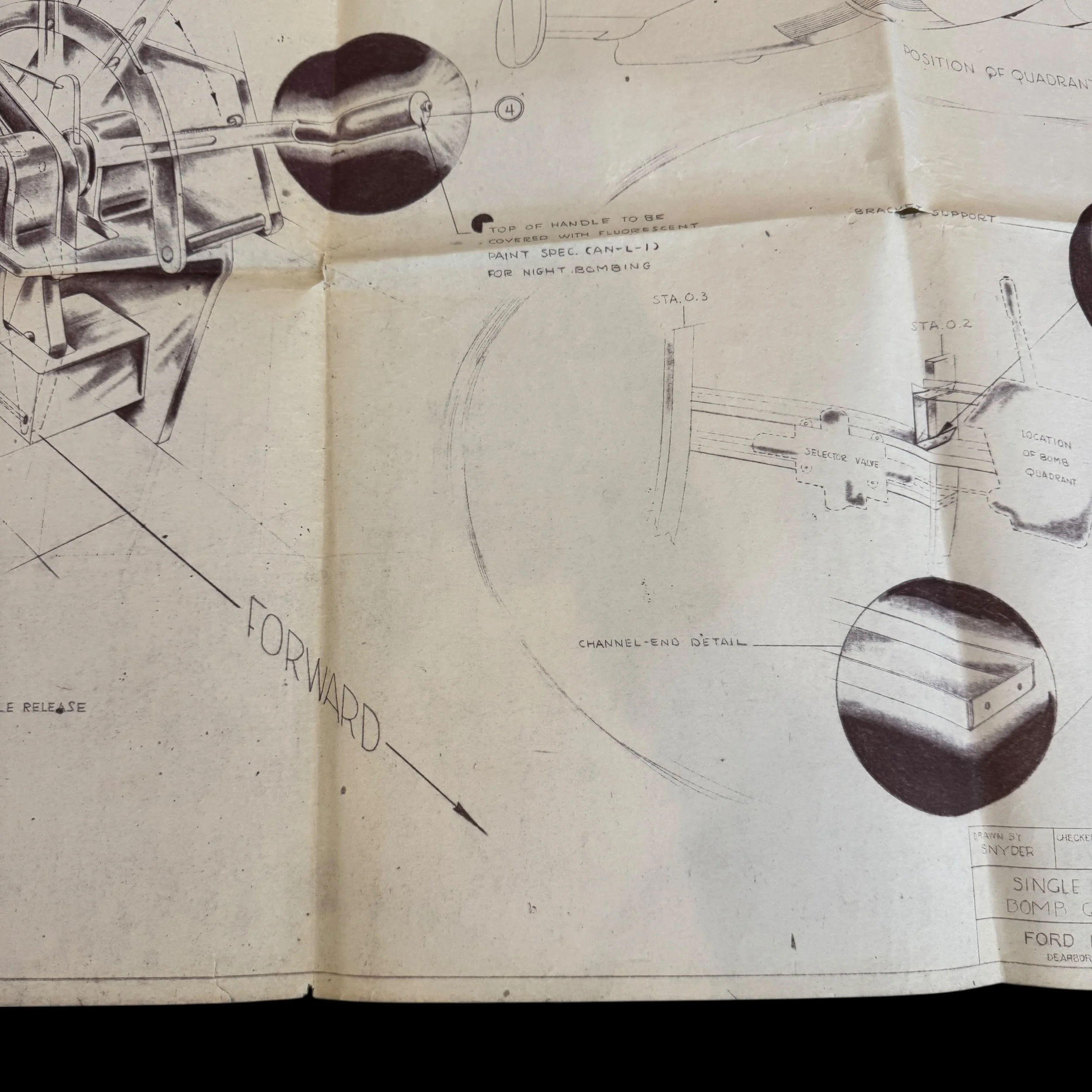
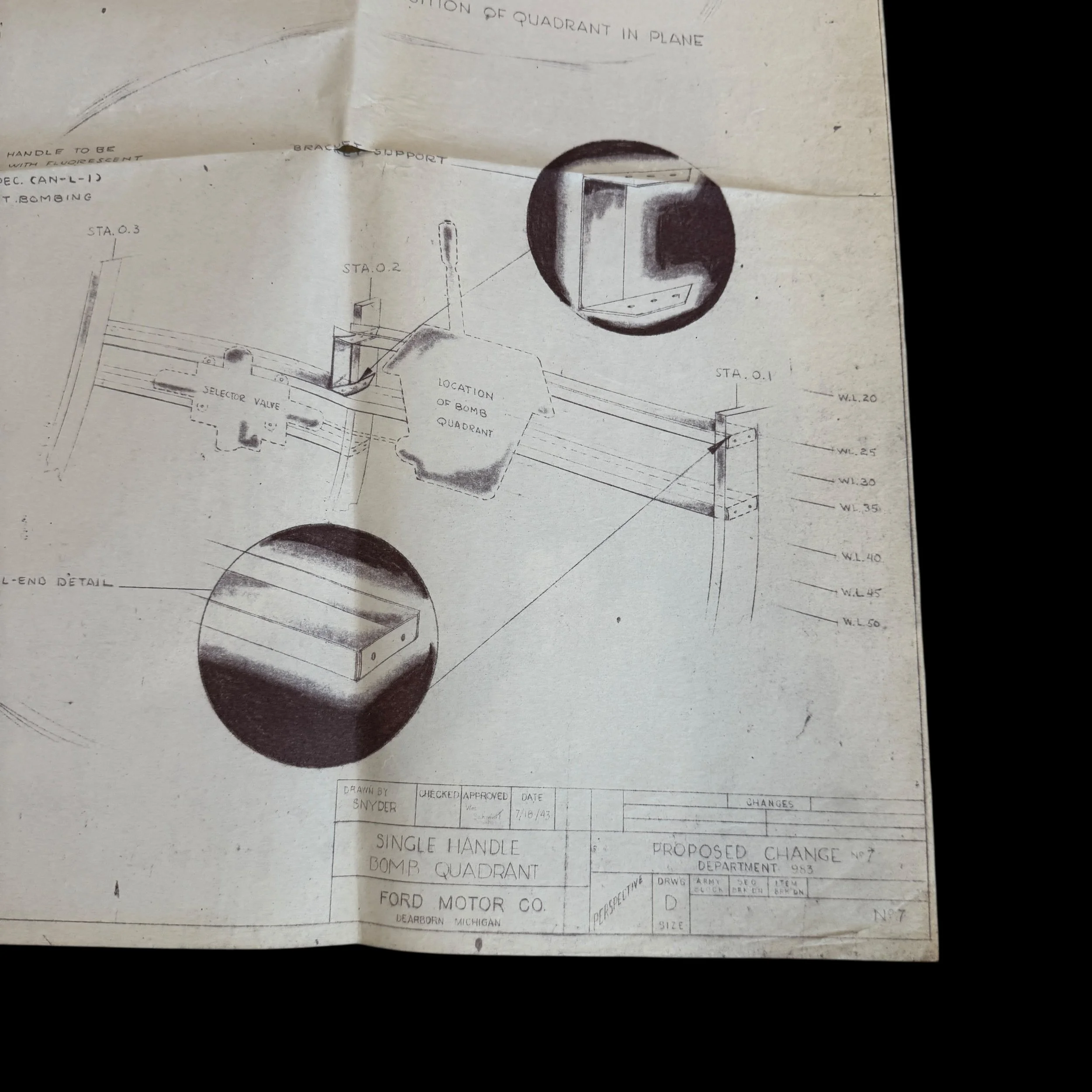
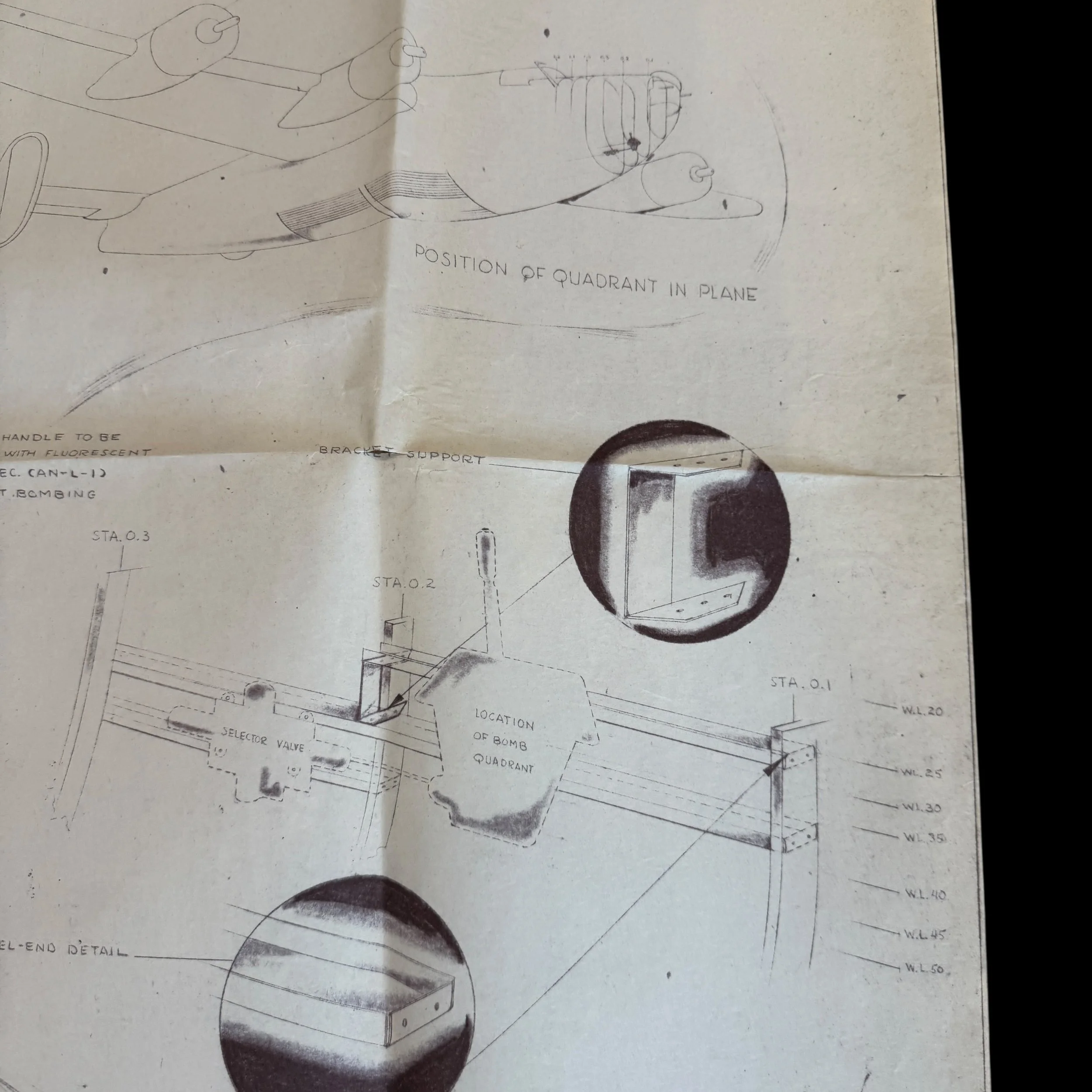
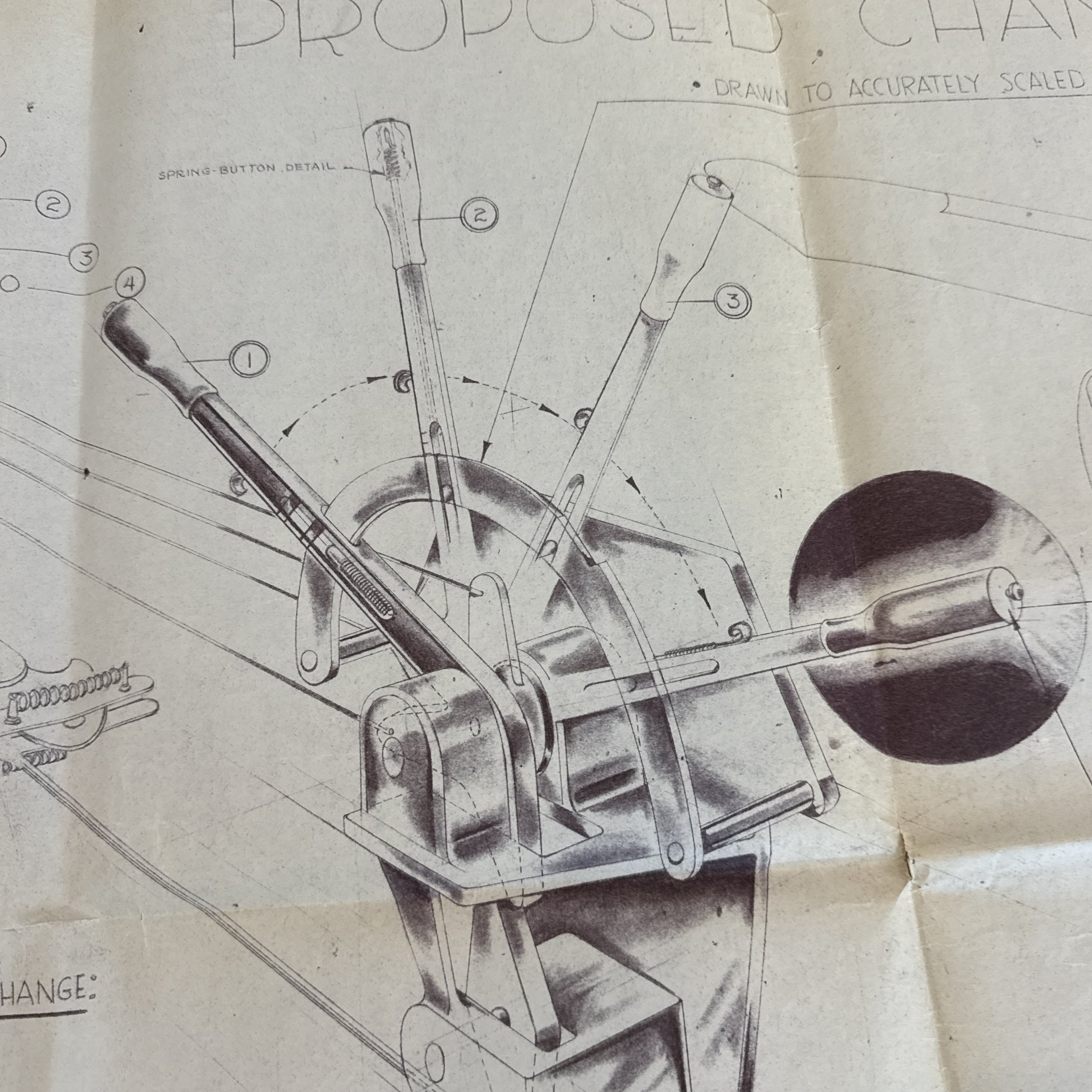
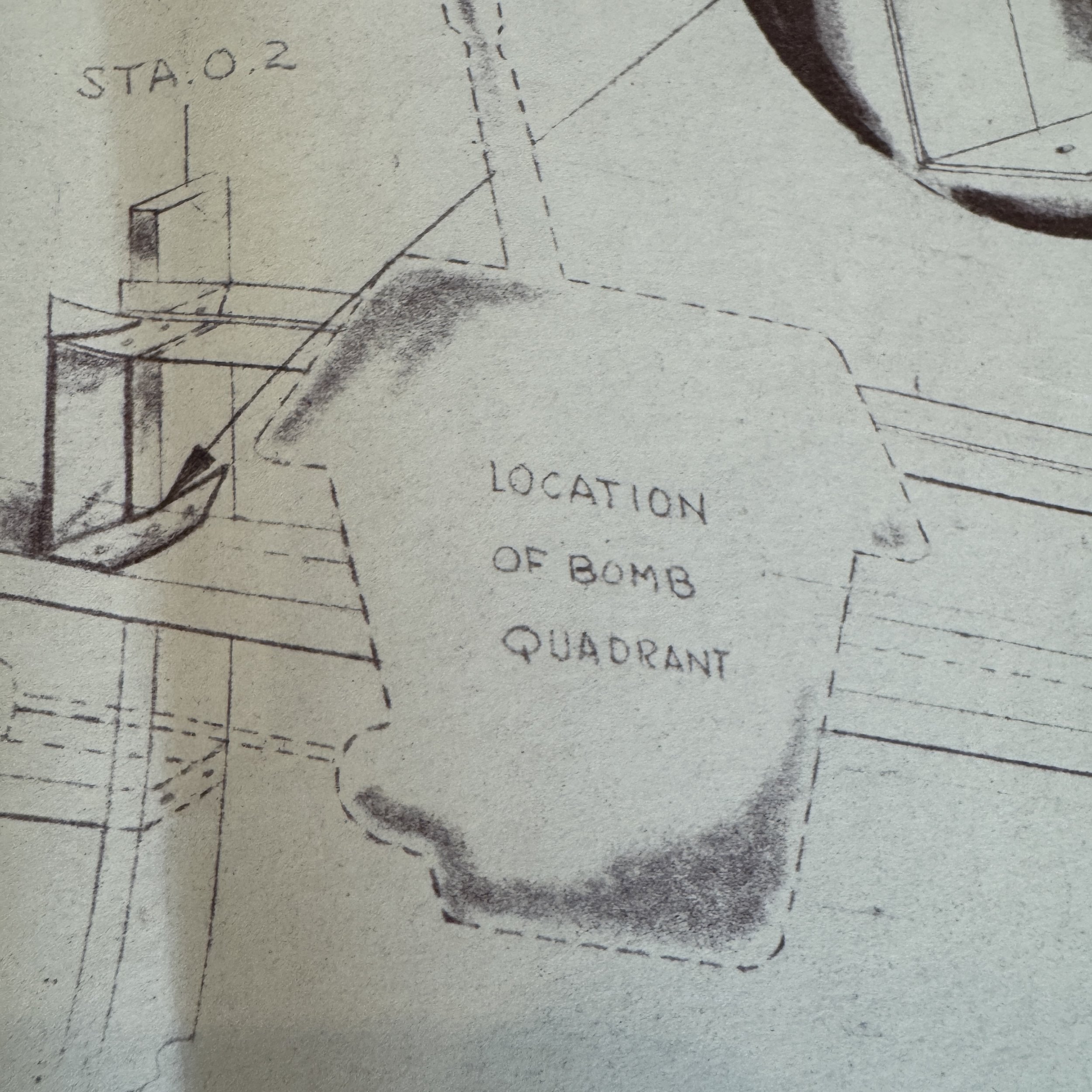
VERY RARE! WWII July 1943 U.S. Army B-24 Liberator Ford Motor Company "Single Handle Bombardier Bomb Release Lever " Engineering Aircraft Blueprint
Comes with a hand-signed C.O.A.
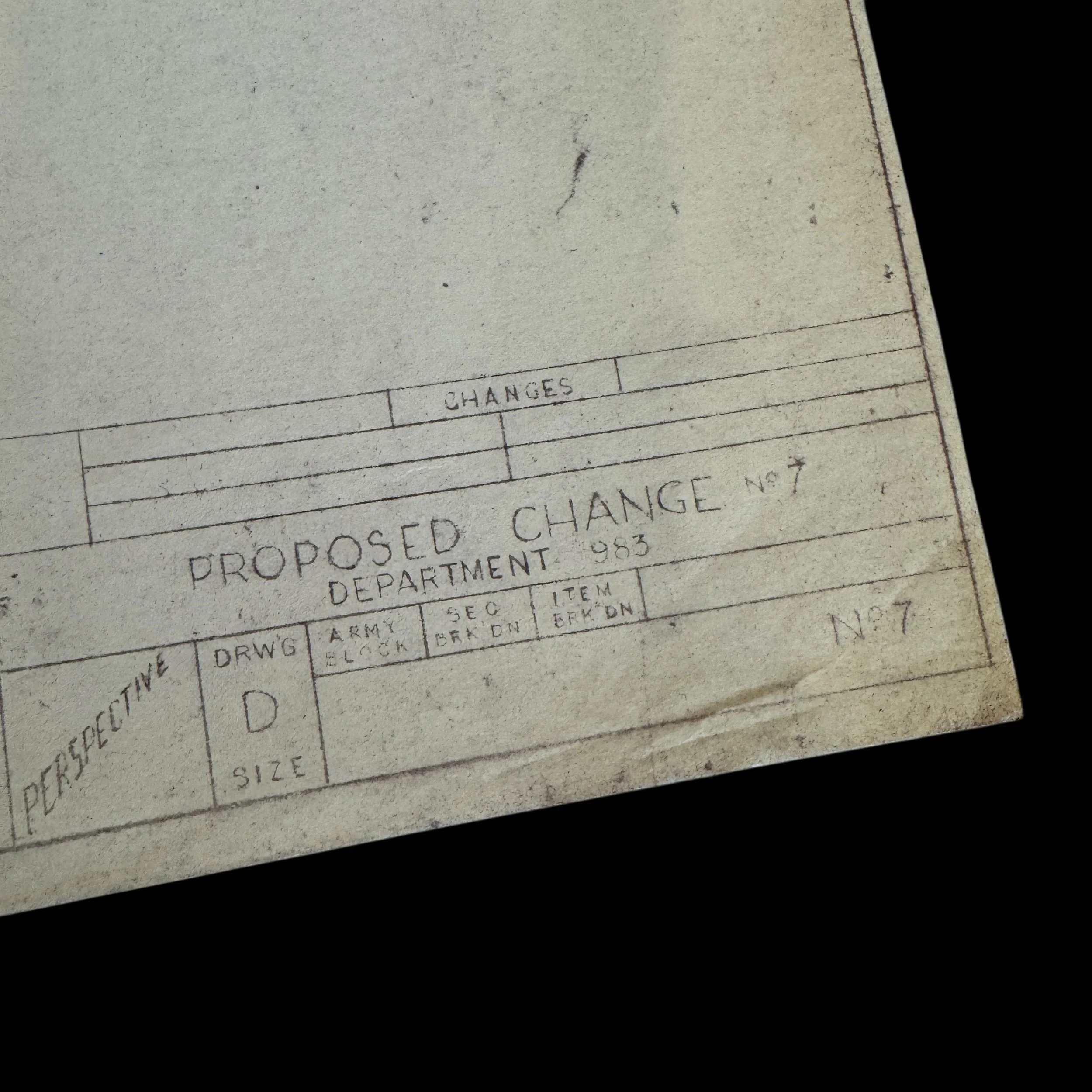
Size: 24 × 35 inches
Dated: July 18, 1943
From: Ford Motor Company
Aircraft: B-24 Liberator
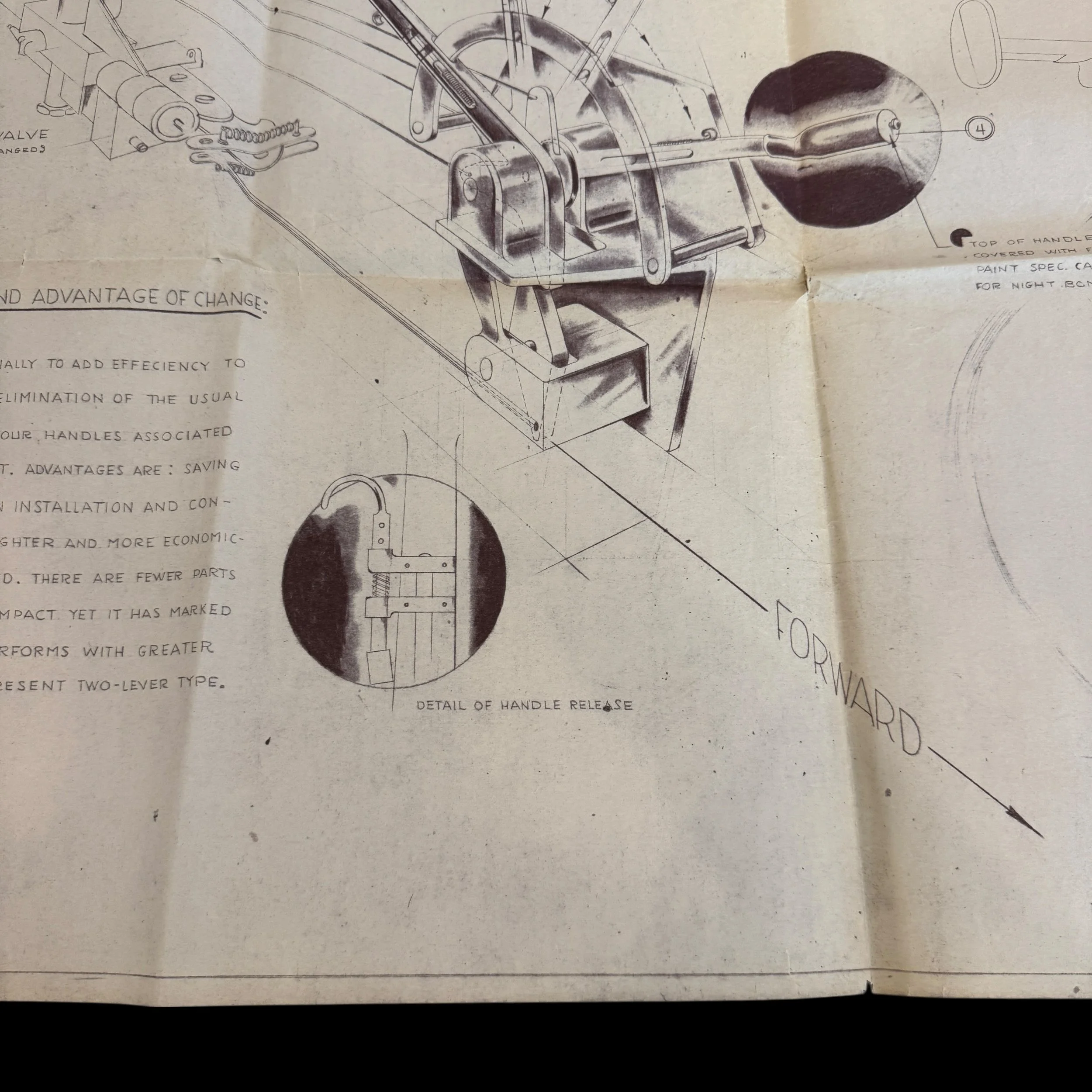
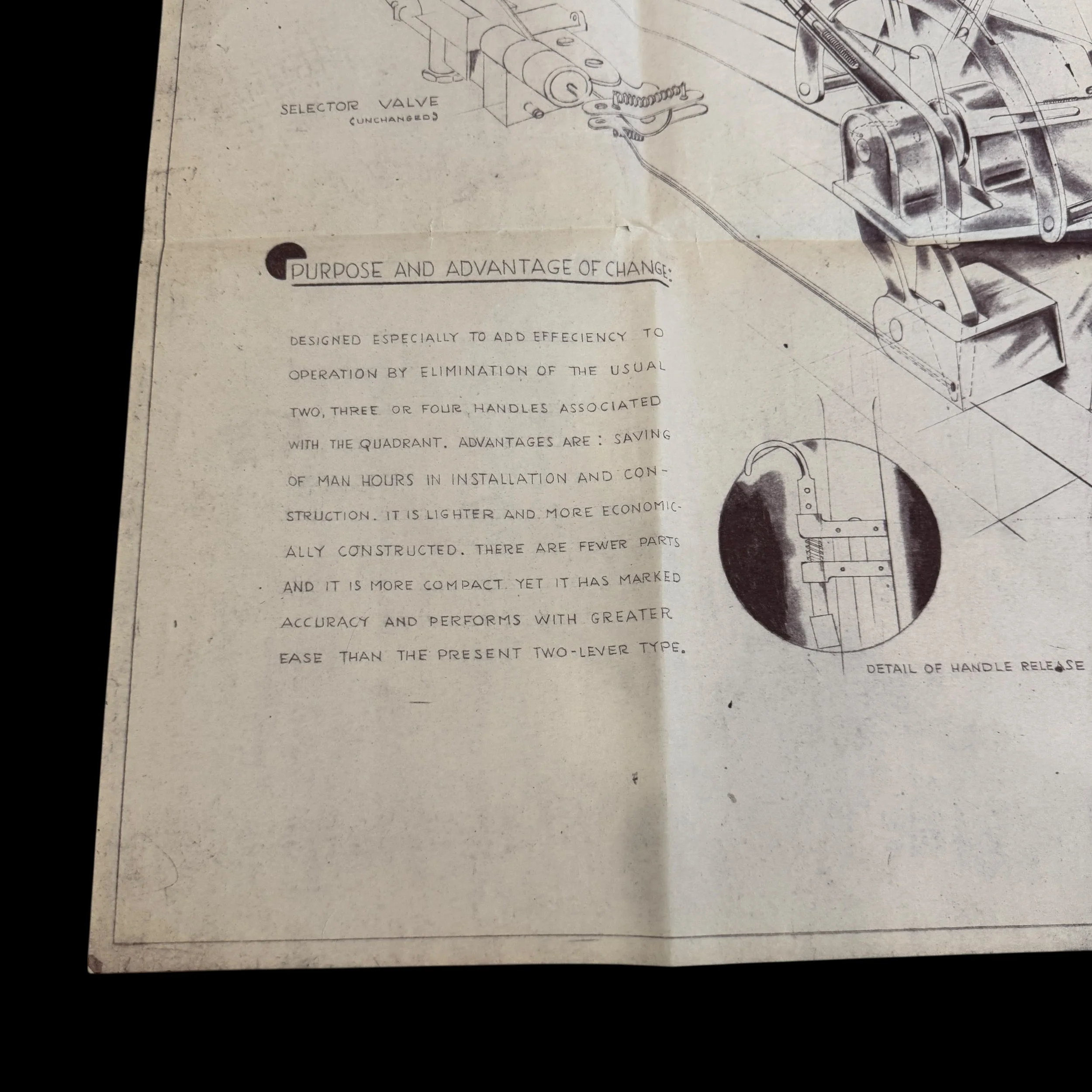
Reason for 1943 Blueprint Revision of B-24 Liberator Single Handle Bombardier Bomb Release Lever (A Wartime Innovation in Mission Efficiency and Night Mission Safety):
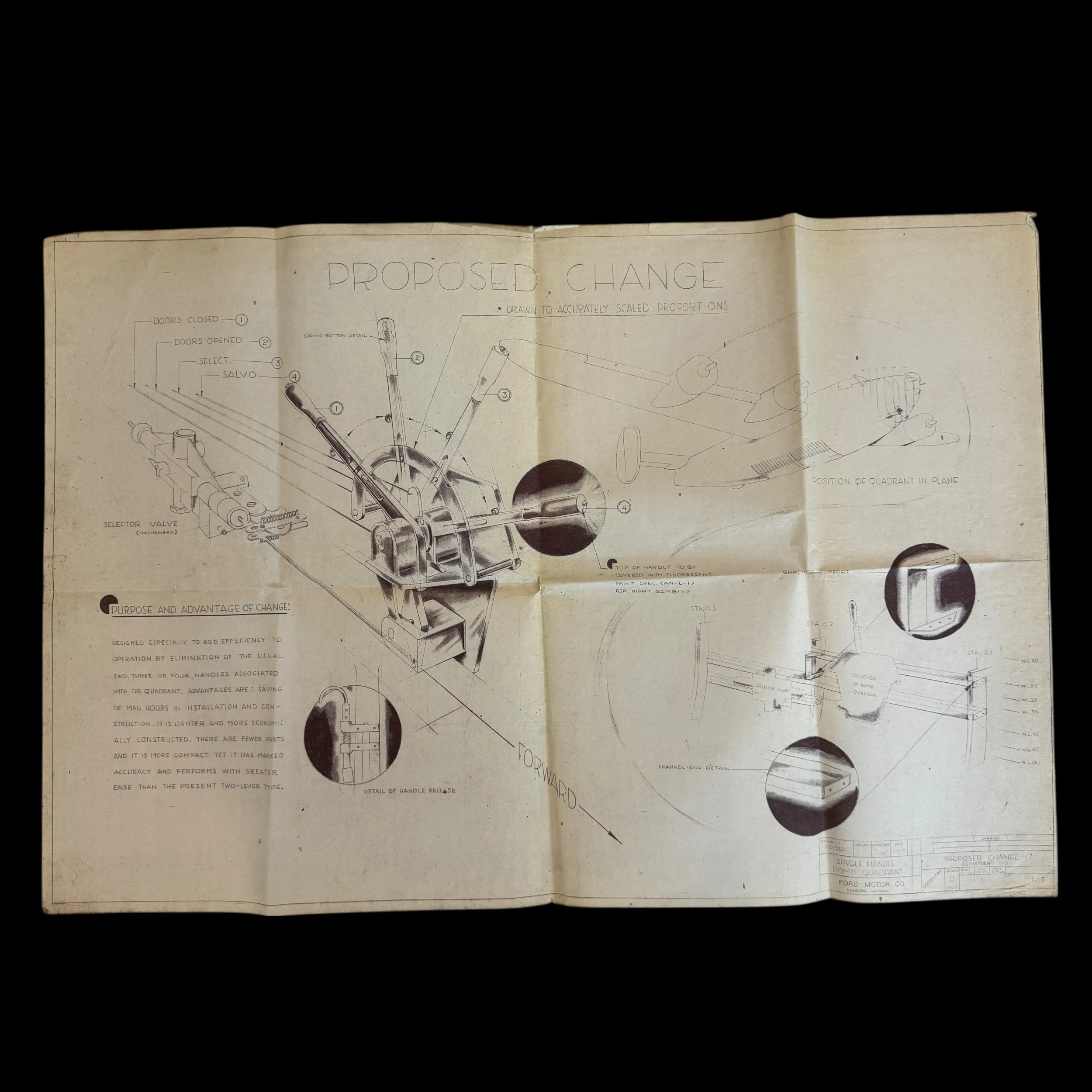
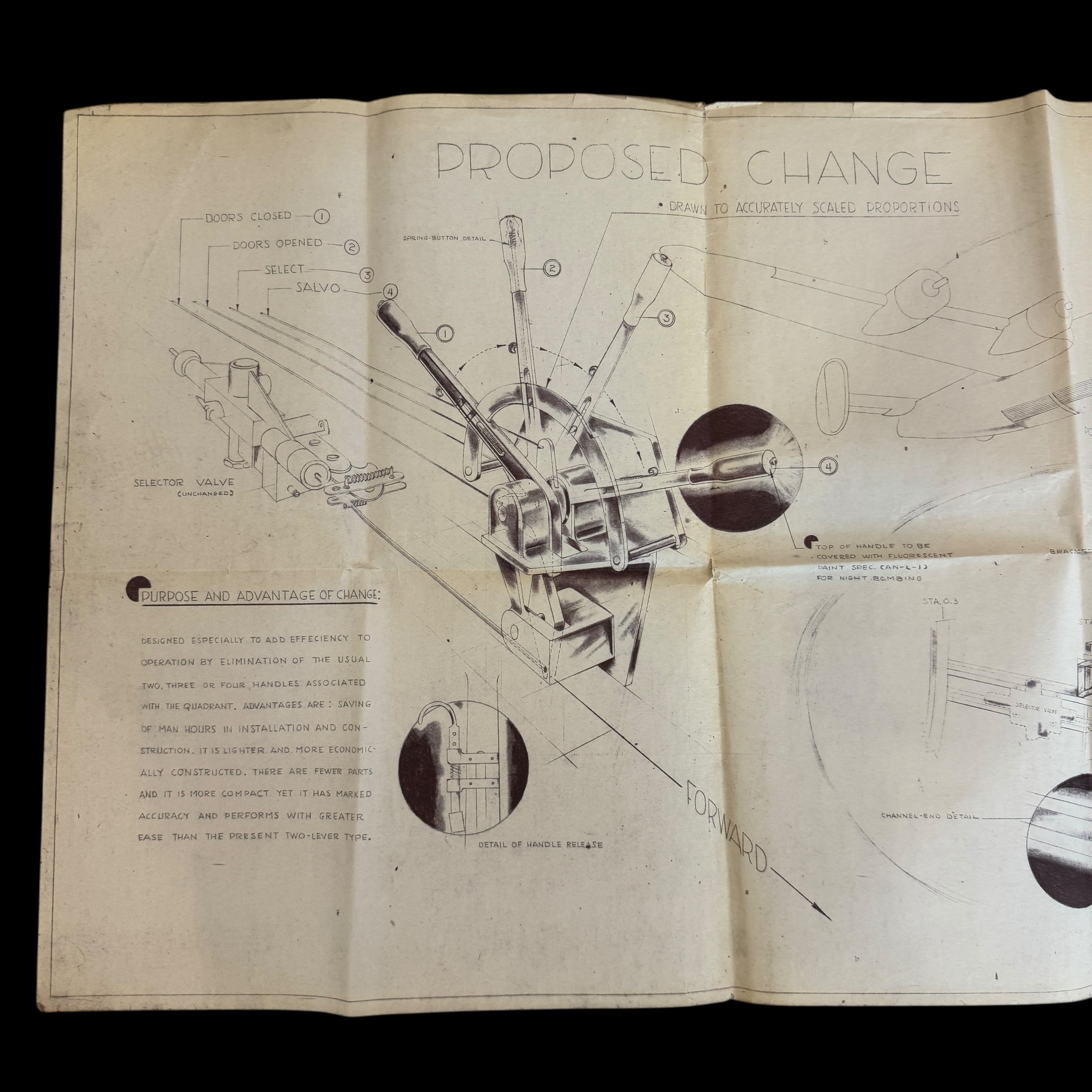
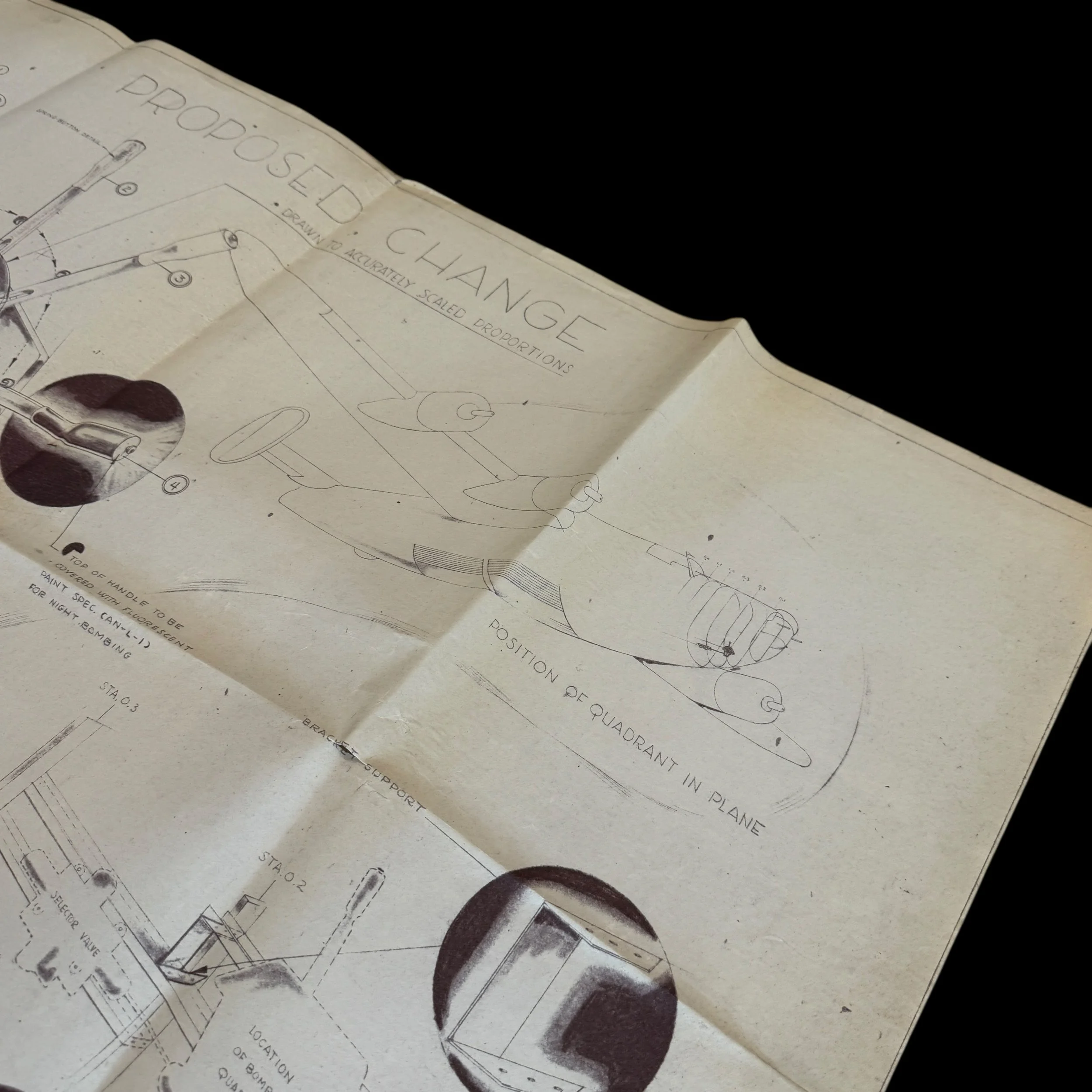
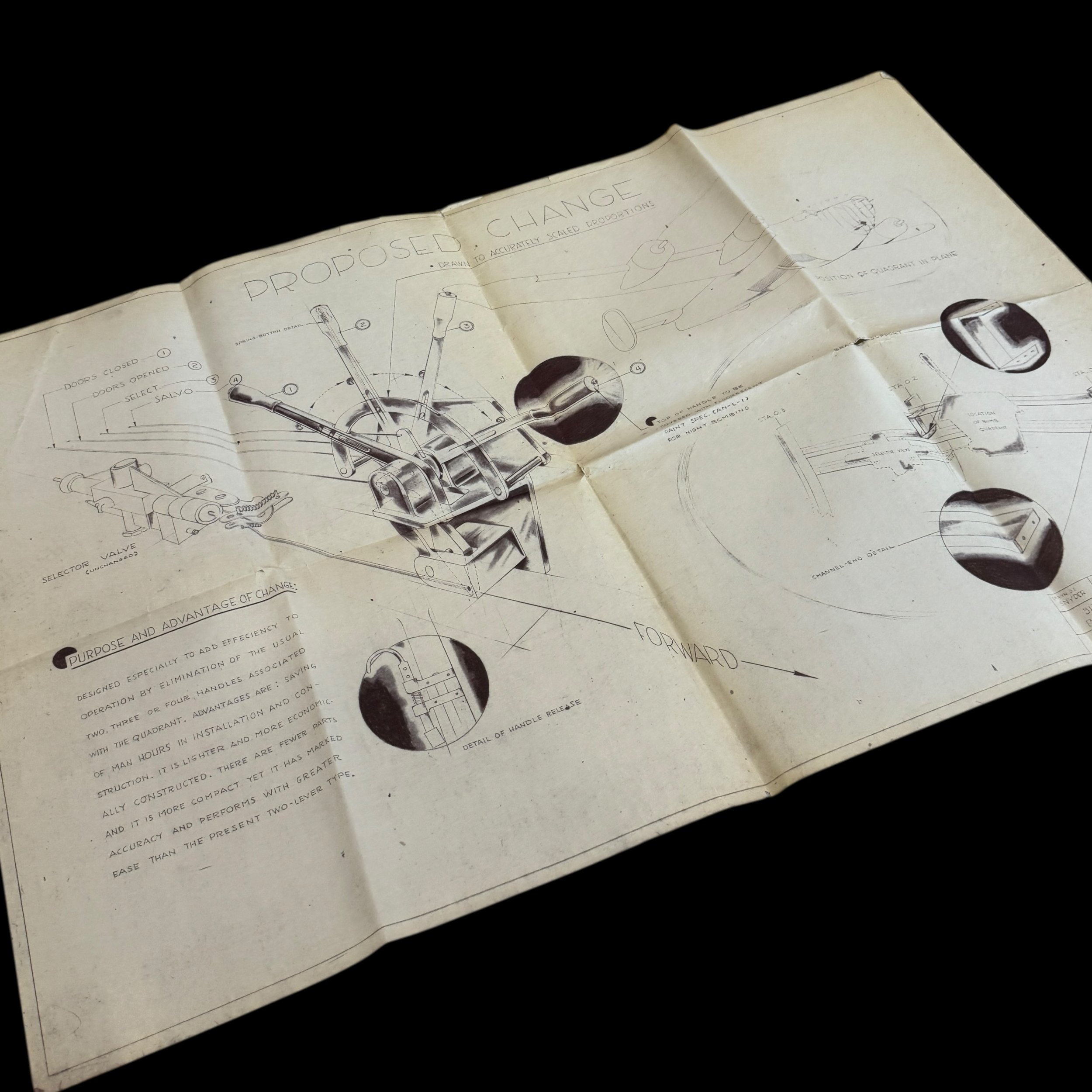
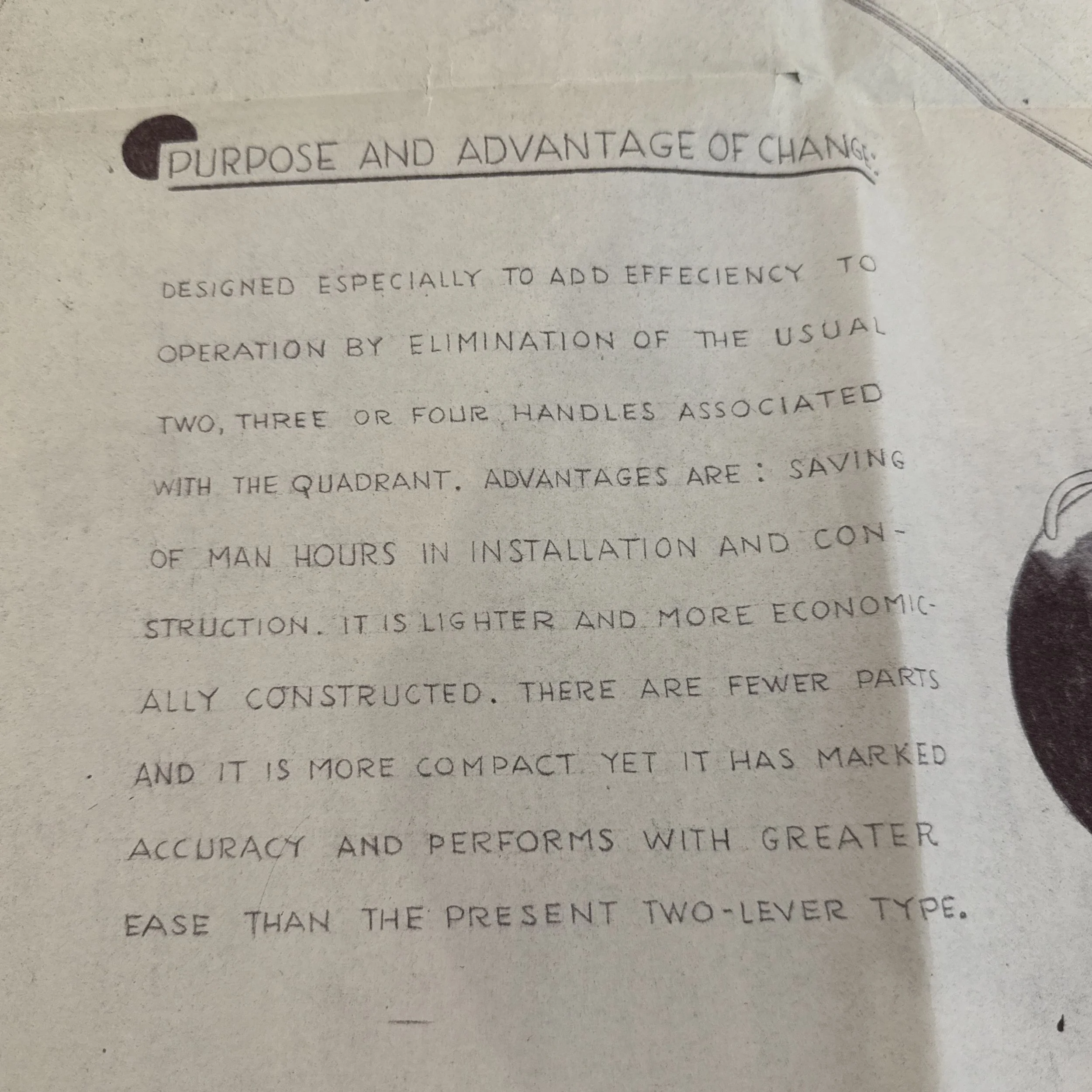
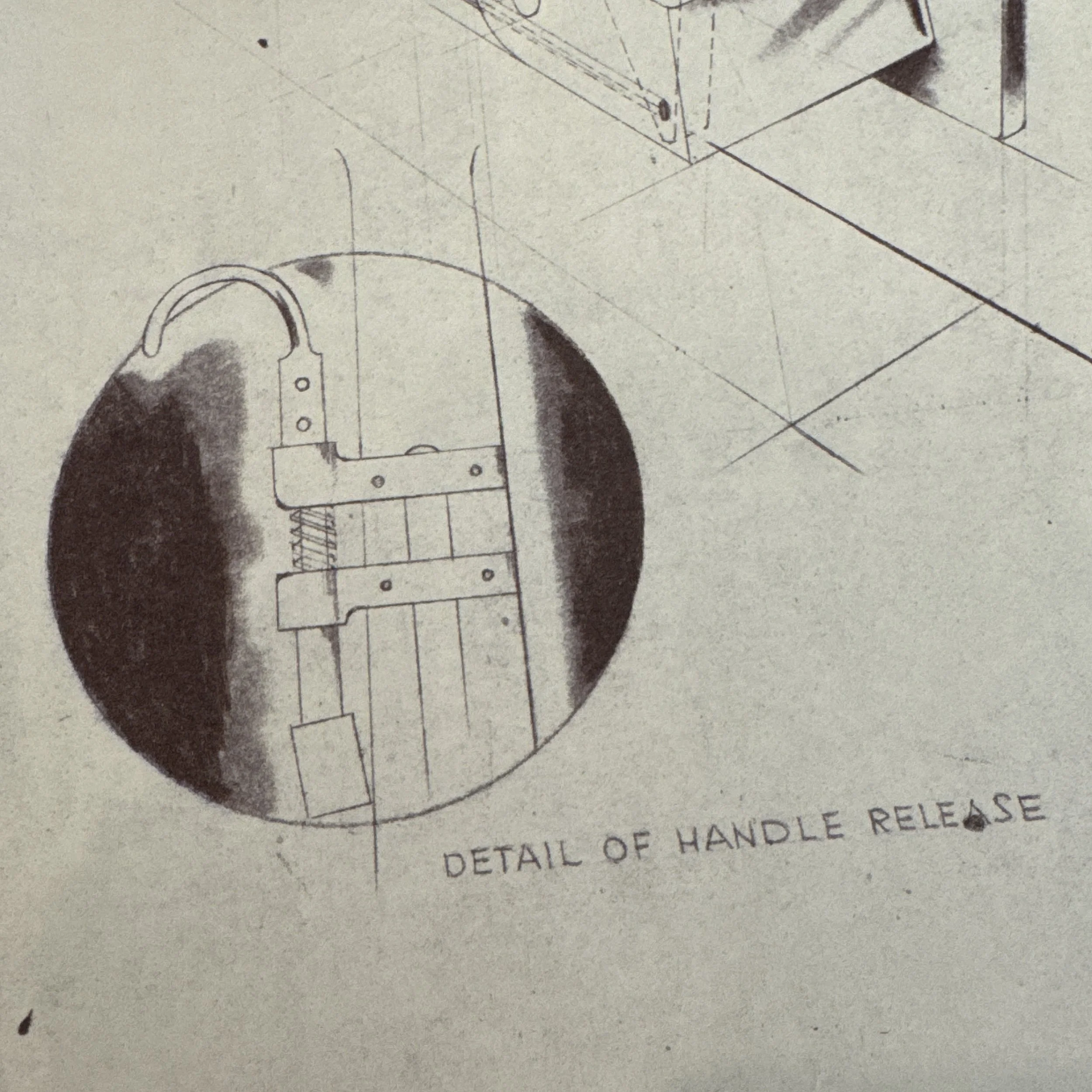
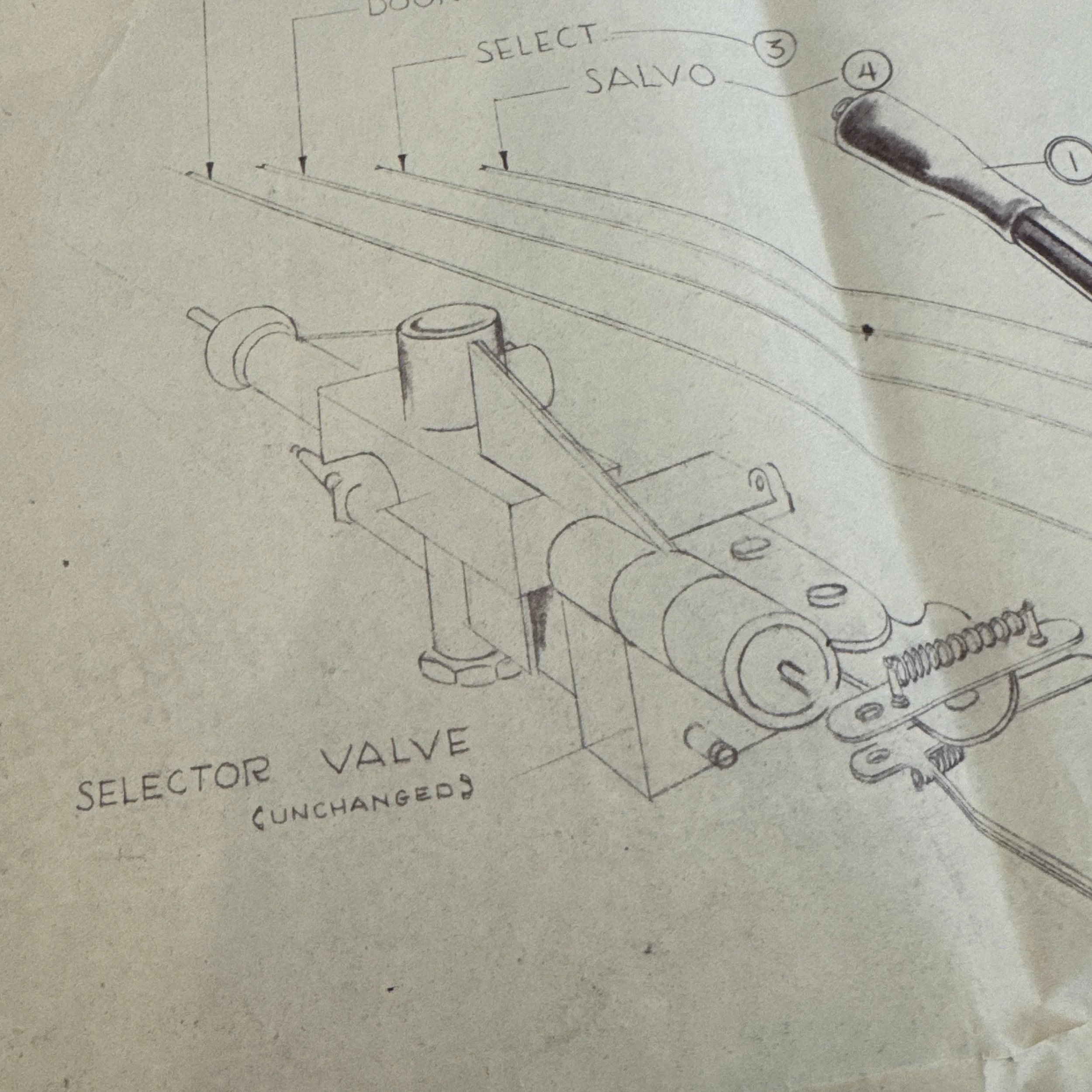
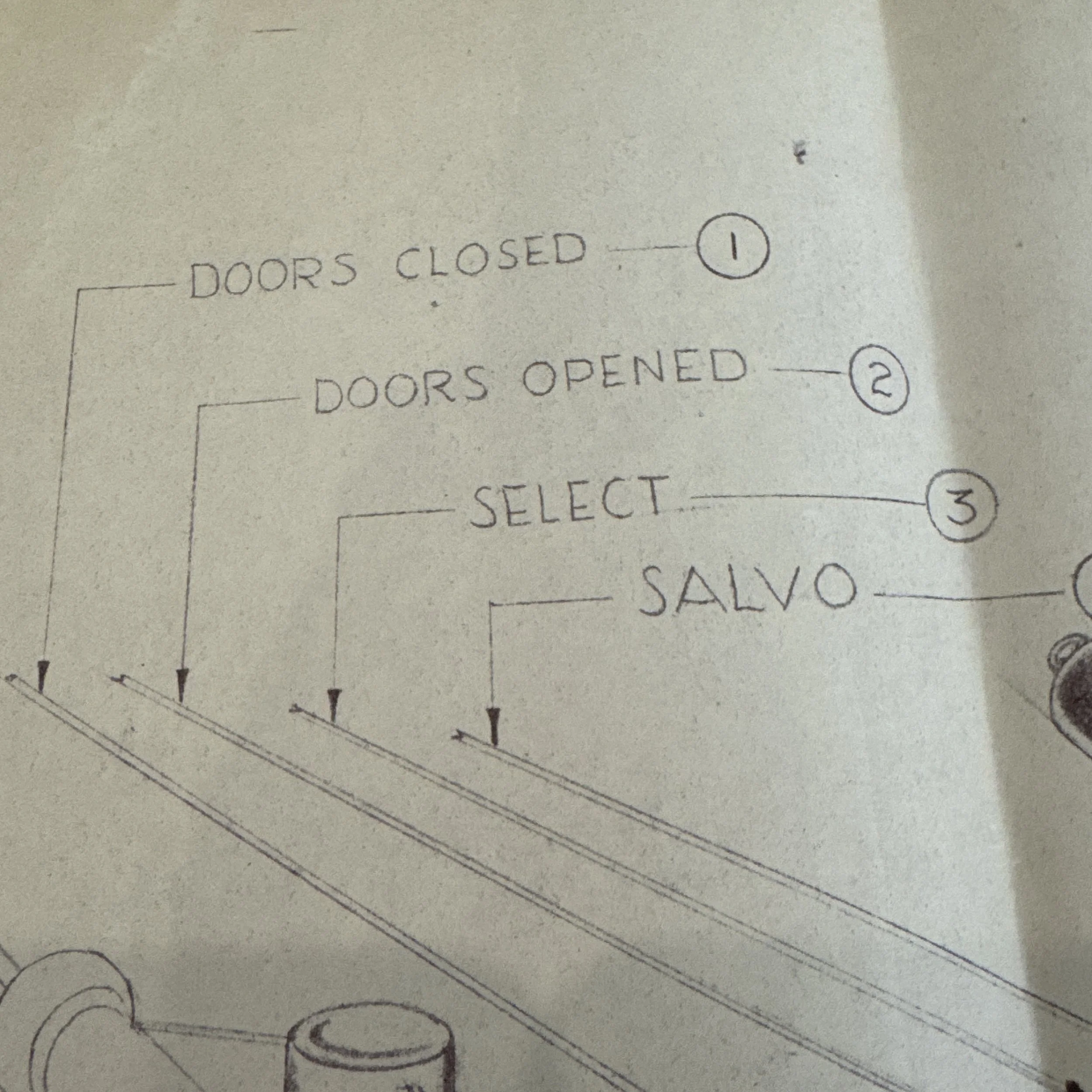
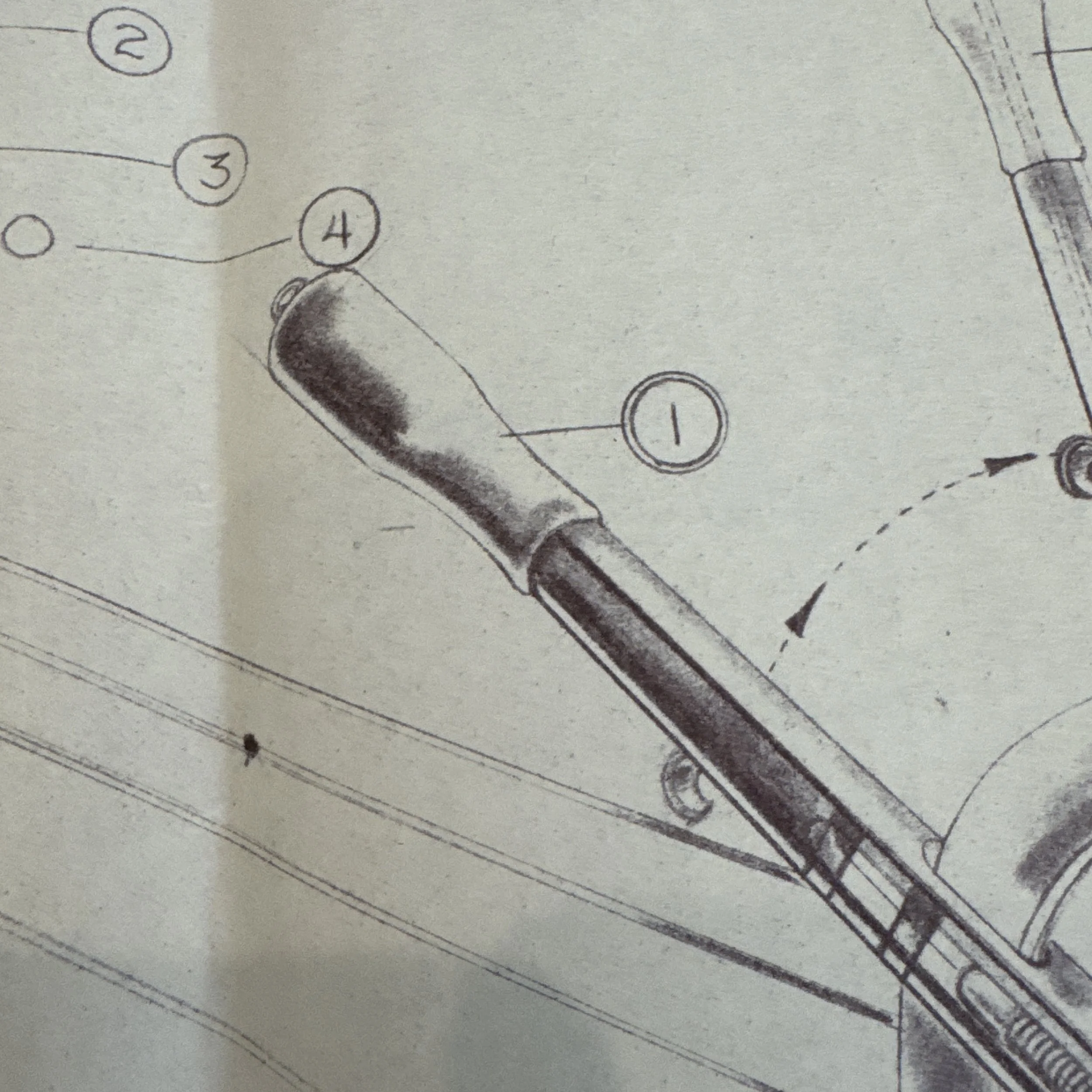
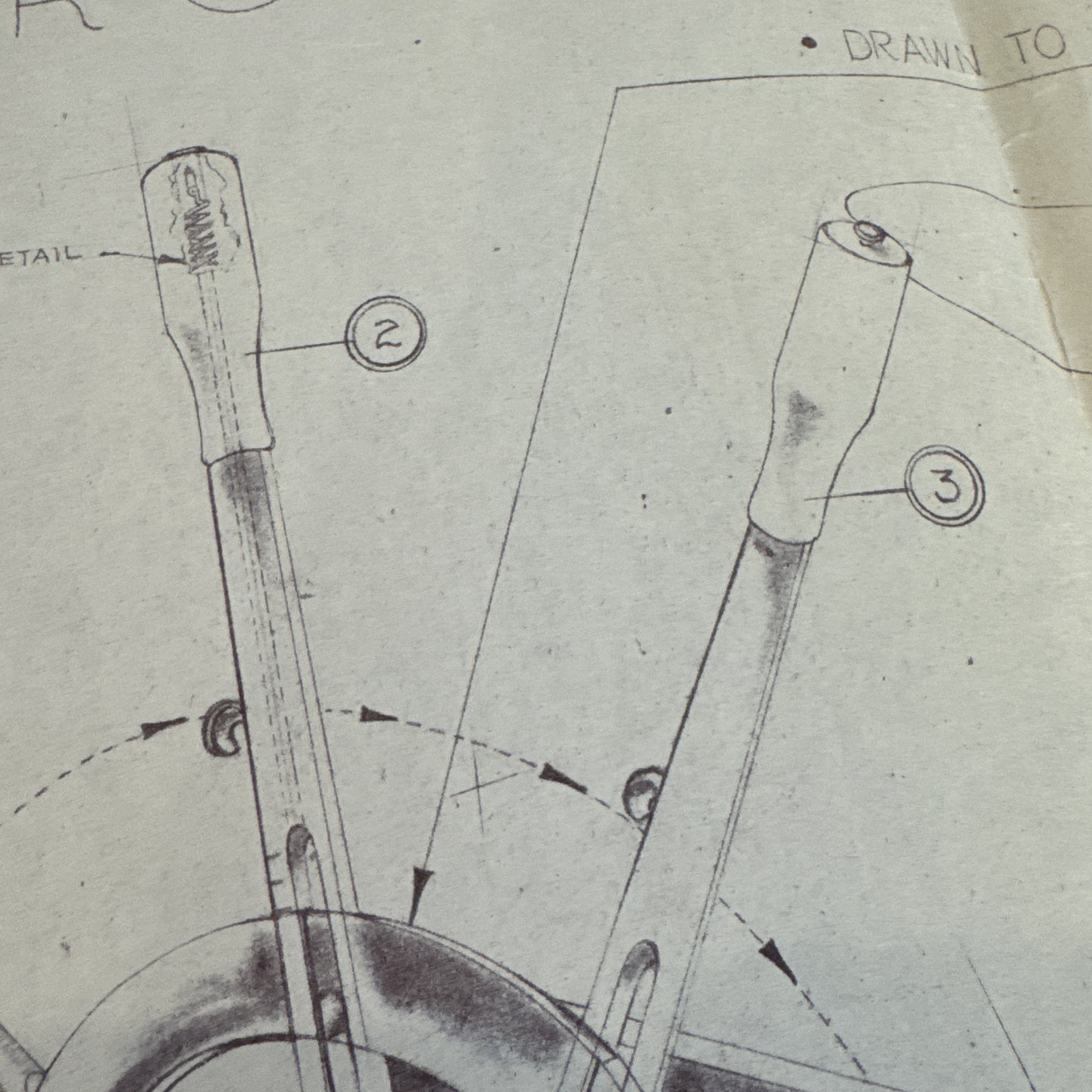
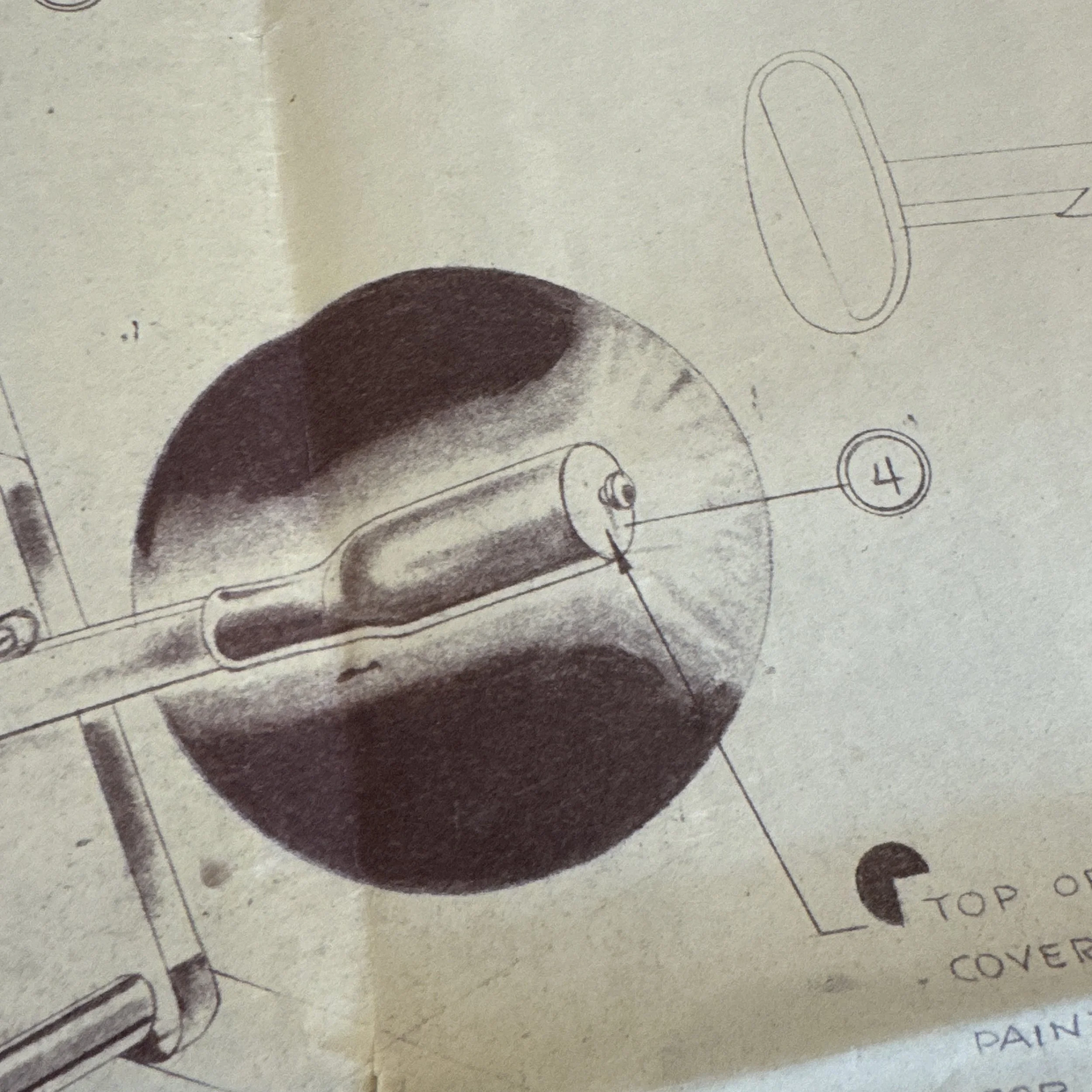
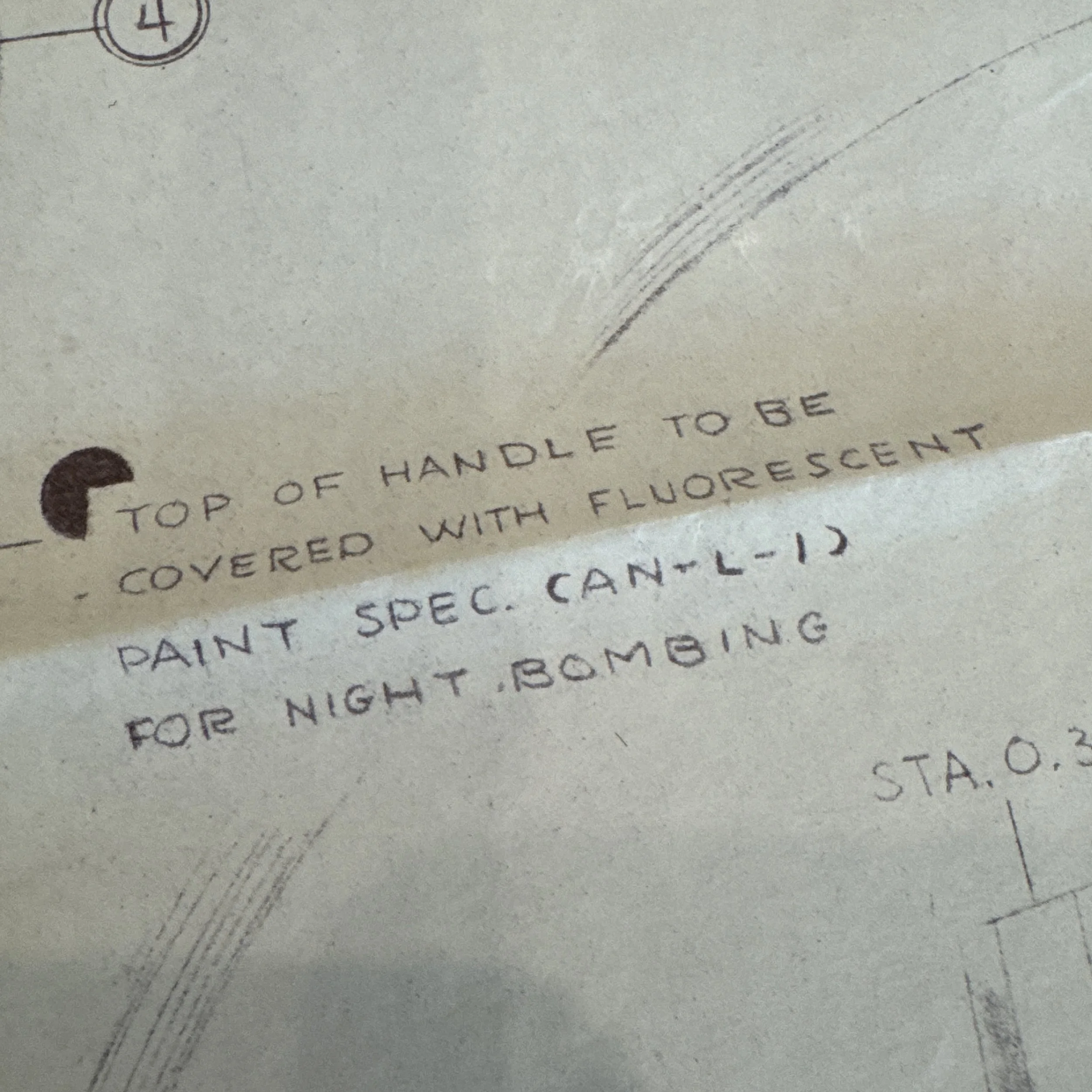
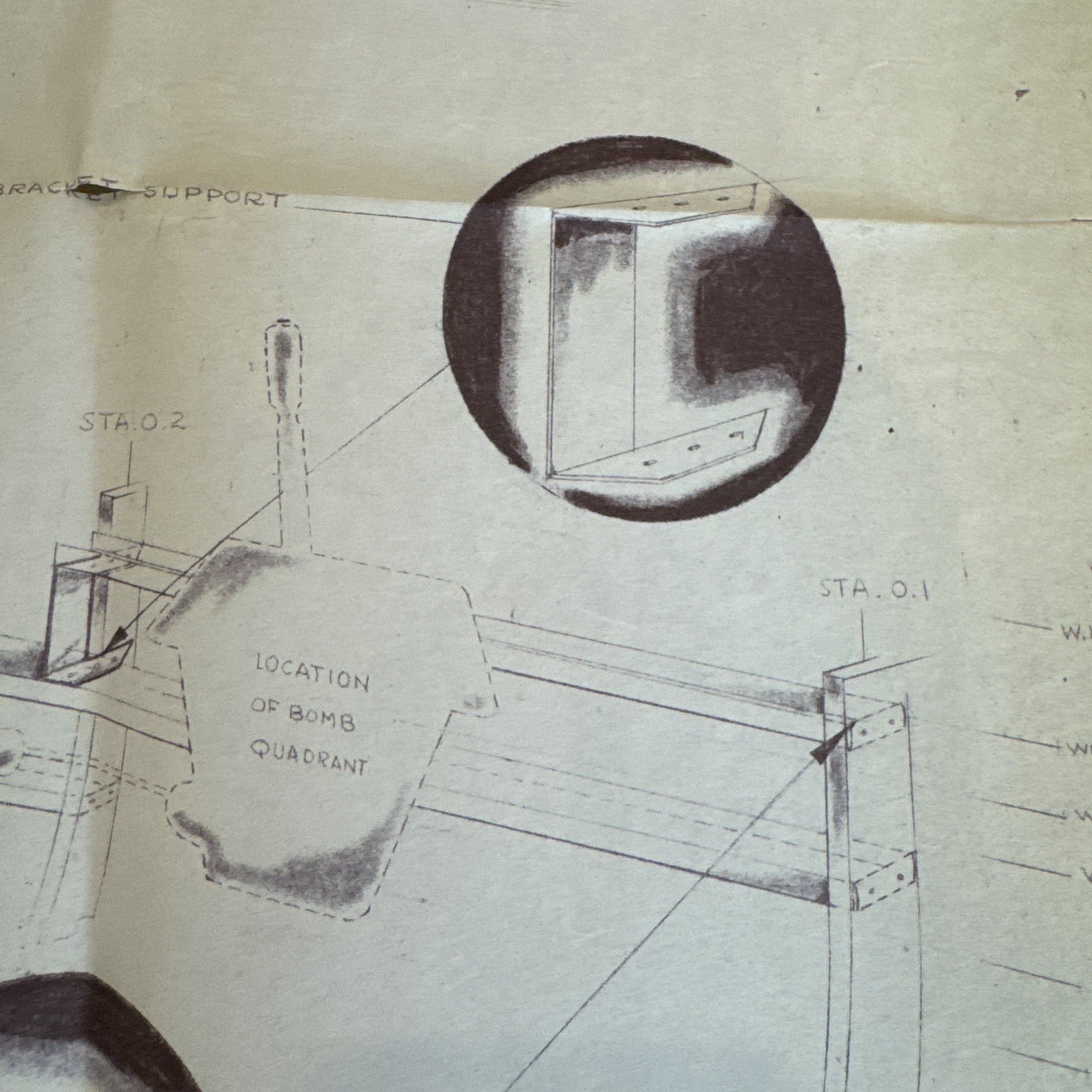
The single handle bombardier bomb release lever on the B-24 Liberator marked a significant improvement in efficiency and simplicity. Earlier systems required two, three, or even four separate handles, increasing the chance of delay or error during high stress bombing runs. This redesigned control combined all release functions into one streamlined lever, allowing faster and more precise bomb deployment. The simplified design used fewer parts, making it lighter, easier to install, and quicker to manufacture while also reducing the risk of mechanical failure in combat conditions. For the bombardier, the single handle lowered physical strain and mental workload during critical moments over enemy targets. The addition of fluorescent material to the handle further enhanced night bombing operations by allowing the control to be clearly seen in low light without relying on cockpit lighting. Together, these changes turned a complex task into a faster, safer, and more reliable action, greatly improving mission effectiveness aboard the B-24 Liberator.
This extraordinary and museum grade World War II artifact is an original Ford Motor Company engineering blueprint dated July 18, 1943, created at the height of America’s wartime aircraft production effort for the legendary B-24 Liberator bomber. This document is not a reproduction or a later technical drawing. It is a true wartime engineering illustration produced for active use in the manufacturing and operational refinement of one of the most important heavy bombers of the Second World War.
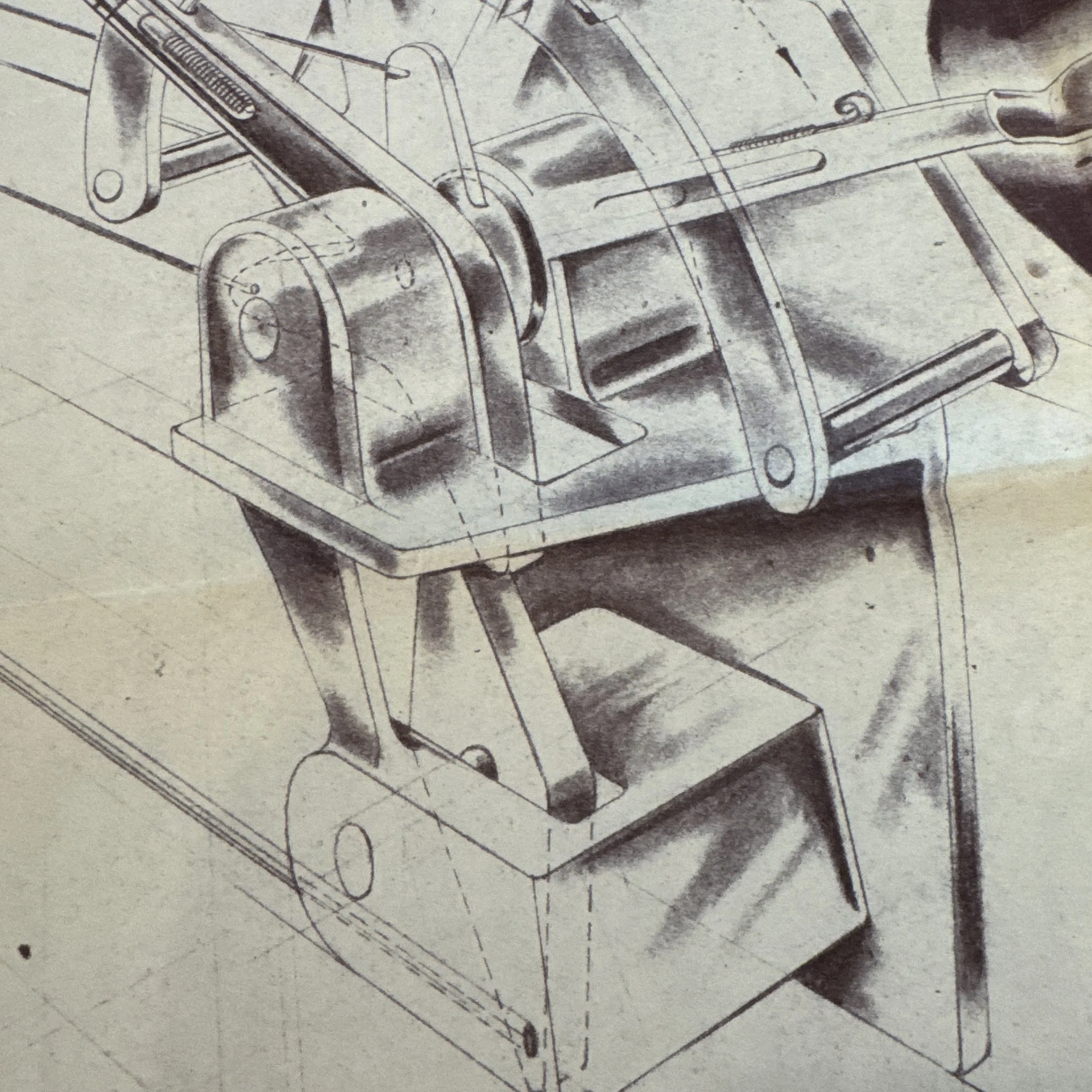
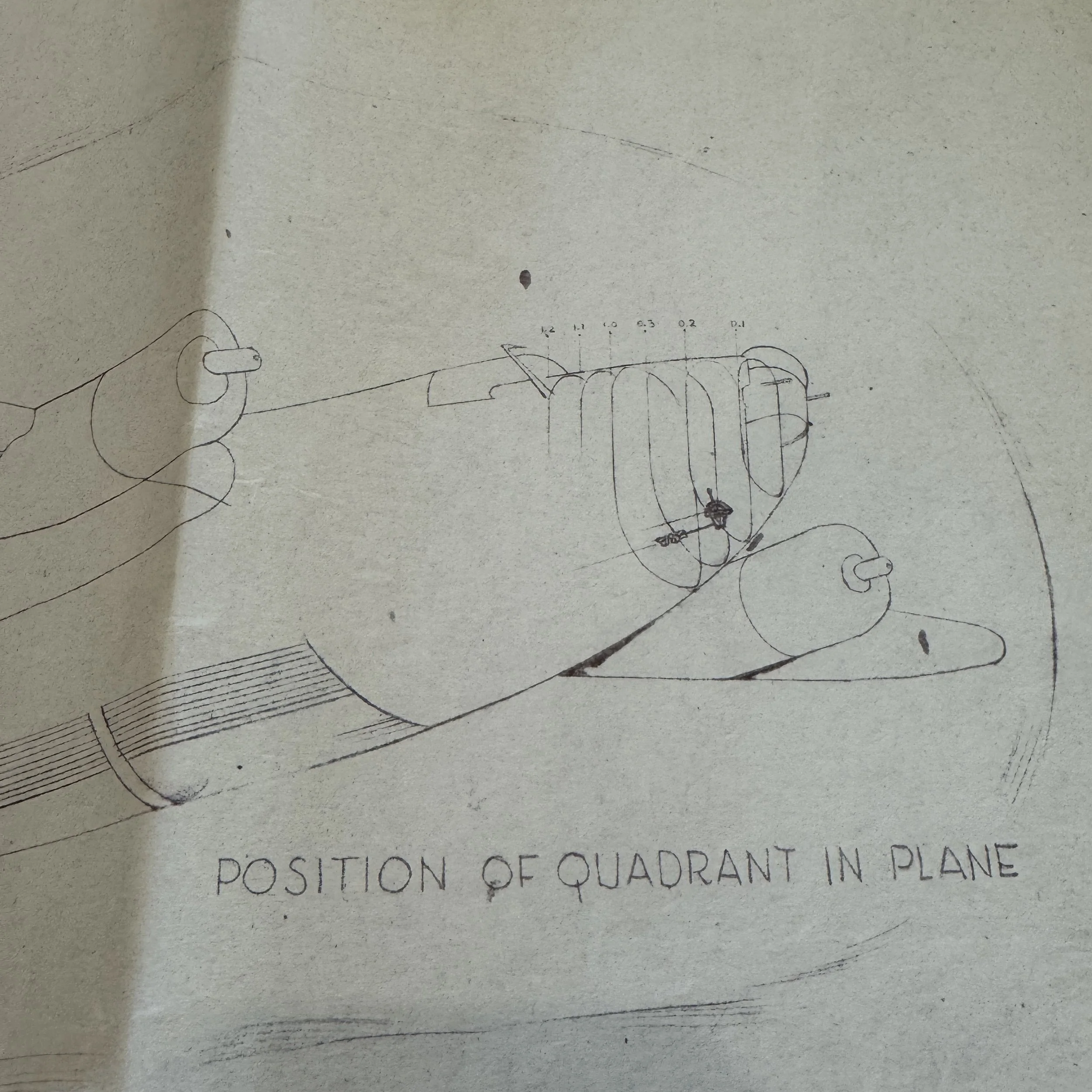
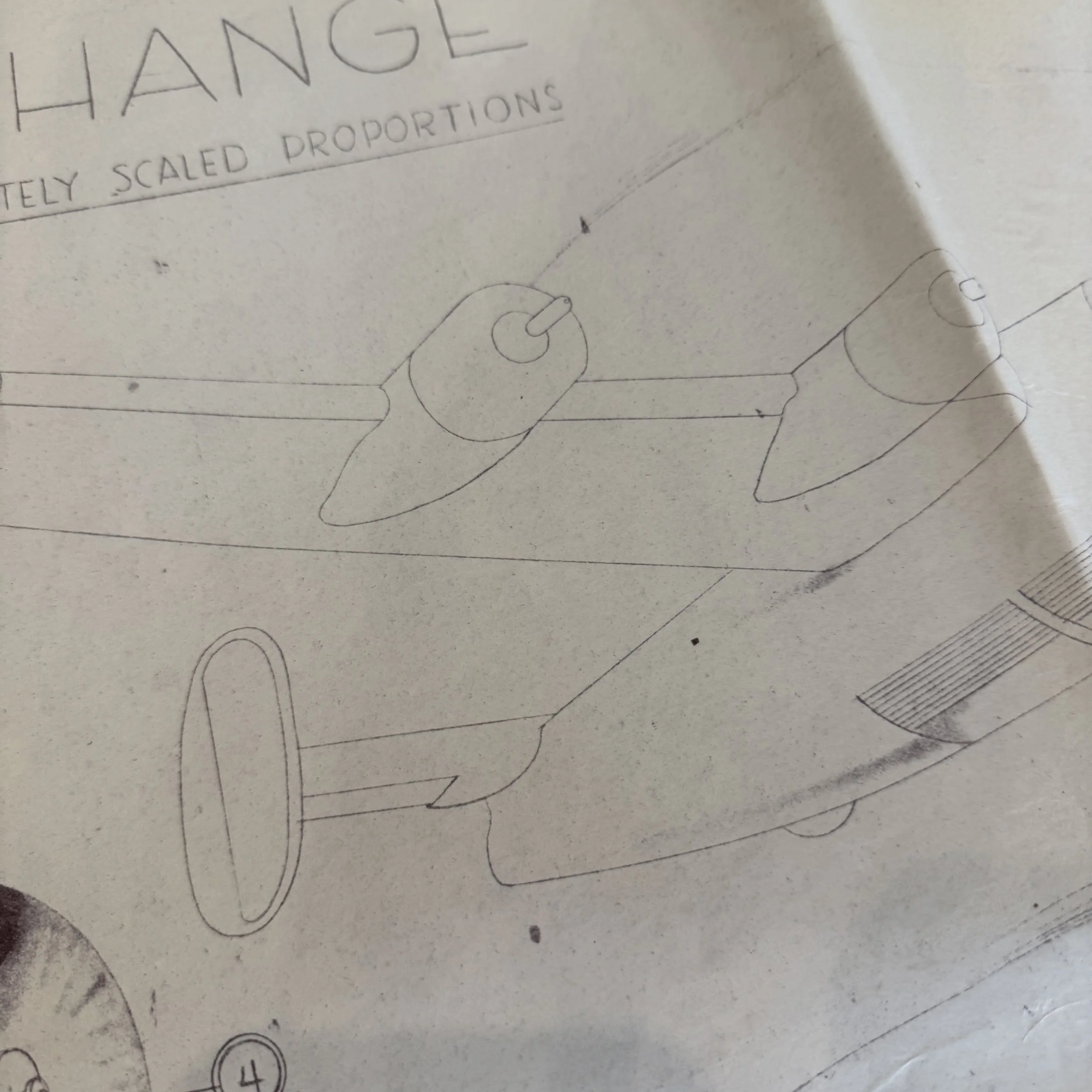
The blueprint represents a one of one original revision drawing for the U.S. Army Air Forces Consolidated B-24 Liberator’s bombardier bomb release control system. Specifically, it documents the introduction of a newly designed single handle bomb release lever that replaced the traditional two, three, or even four handle arrangements previously required for bomb deployment. Engineering illustrations such as this were used by aircraft engineers and Ford Motor Company production teams to implement improvements directly on the assembly line and to standardize new operational systems across future aircraft builds.
This specific revision reflects an official wartime upgrade authorized during 1943, when speed, efficiency, and crew performance were critical to sustaining Allied bombing campaigns across Europe and the Pacific. The new single handle design dramatically simplified the bombardier’s task during combat missions. Instead of managing multiple mechanical levers under extreme stress and time pressure, the bombardier could now release the bomb load through one streamlined control. This change reduced human error, accelerated bomb deployment, and improved coordination during high altitude bombing runs.
Beyond its operational advantages, this blueprint also records a major improvement in manufacturing efficiency. The redesigned bomb release lever required fewer parts and fewer mechanical linkages than earlier systems. This meant less material consumption, reduced assembly time, and lower labor demands on already strained wartime production lines. In practical terms, Ford Motor Company could build B 24 bombers faster, more consistently, and with fewer potential mechanical failure points during one of the most intense periods of industrial mobilization in American history.
The revised design was also lighter than previous multi handle systems. While the weight savings of an individual control mechanism may appear small, in aviation engineering every pound mattered. Weight reductions allowed for either increased bomb payload, greater fuel range, or improved aircraft performance. Across thousands of aircraft produced, these cumulative savings translated into meaningful operational advantages for bomber crews flying long range missions deep into enemy territory.
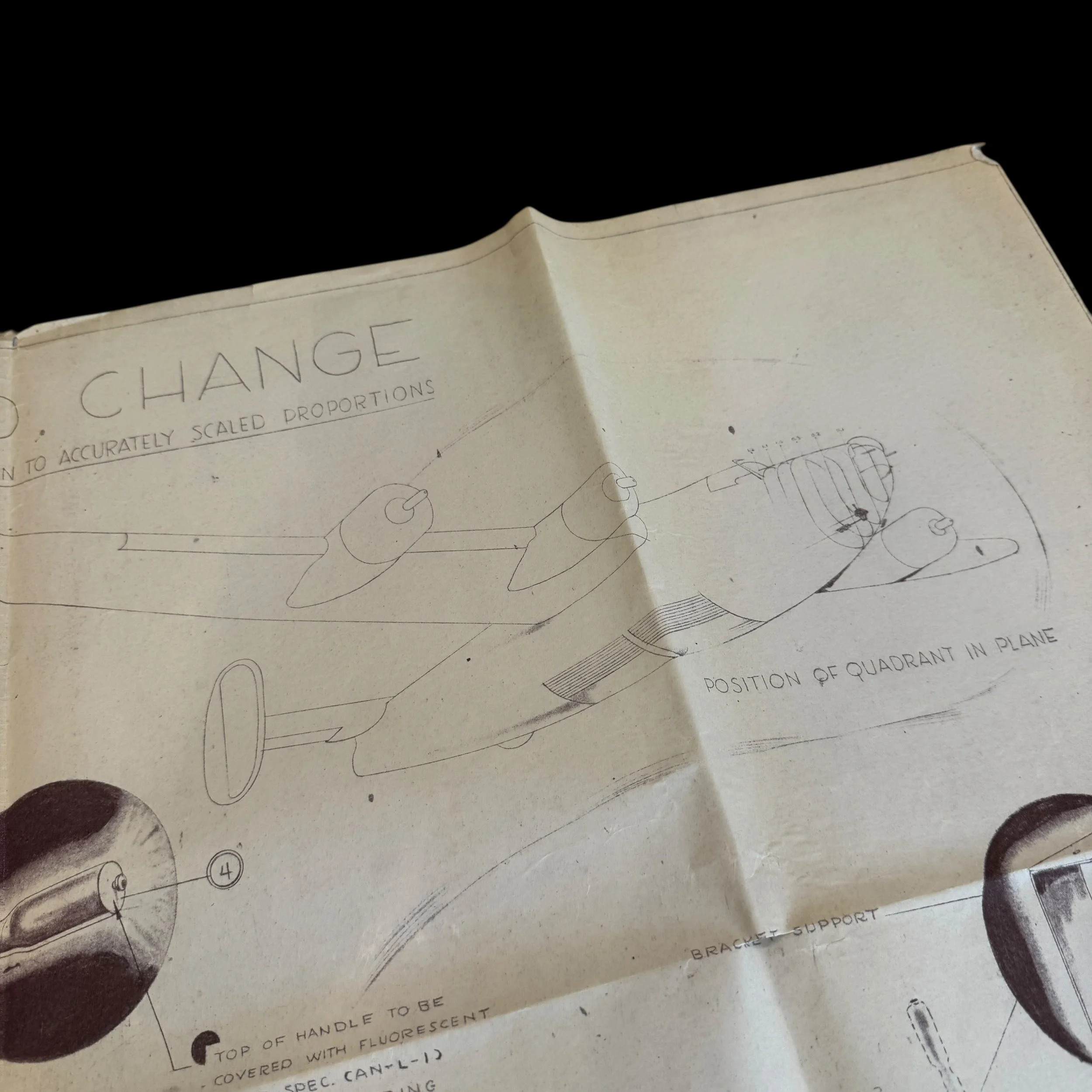
One of the most striking features documented in this blueprint is the addition of fluorescent material to the handle itself for night bombing missions. This innovation allowed bombardiers to clearly identify and operate the bomb release lever in low light conditions without relying solely on cockpit lighting. During nighttime raids, visibility was limited and stress levels were extreme. A glowing control handle improved speed, confidence, and safety in moments when seconds could determine mission success.
The bombardier’s role aboard the B-24 Liberator was among the most demanding in the aircraft. Positioned in the nose of the bomber, often isolated from the rest of the crew, the bombardier was responsible for precise targeting while under enemy fire. Any improvement to the bomb release system directly affected mission accuracy, crew coordination, and aircraft survivability. This blueprint therefore represents not just a mechanical change, but a human centered design improvement shaped by combat experience and operational necessity.
As a surviving engineering revision blueprint from July 1943, this artifact captures a precise moment in the evolution of the B-24 Liberator. It reflects the constant cycle of refinement driven by battlefield feedback, engineering innovation, and the urgent demands of global war. Very few original wartime revision blueprints from aircraft factories remain outside institutional archives. Most were discarded after production runs ended or lost over time. The survival of this document makes it exceptionally rare and historically significant.
In essence, this blueprint is a direct link to the vast industrial and engineering effort that powered Allied air superiority in World War II. It tells the story of how even a single redesigned control lever could influence mission success, crew safety, and the overall effectiveness of strategic bombing operations. As a one of a kind wartime engineering illustration for the B-24 Liberator, it stands as a powerful artifact of American ingenuity, precision engineering, and the relentless pursuit of improvement during humanity’s most consequential conflict.
• Ford Motor Company and the B-24 Liberator Production Effort
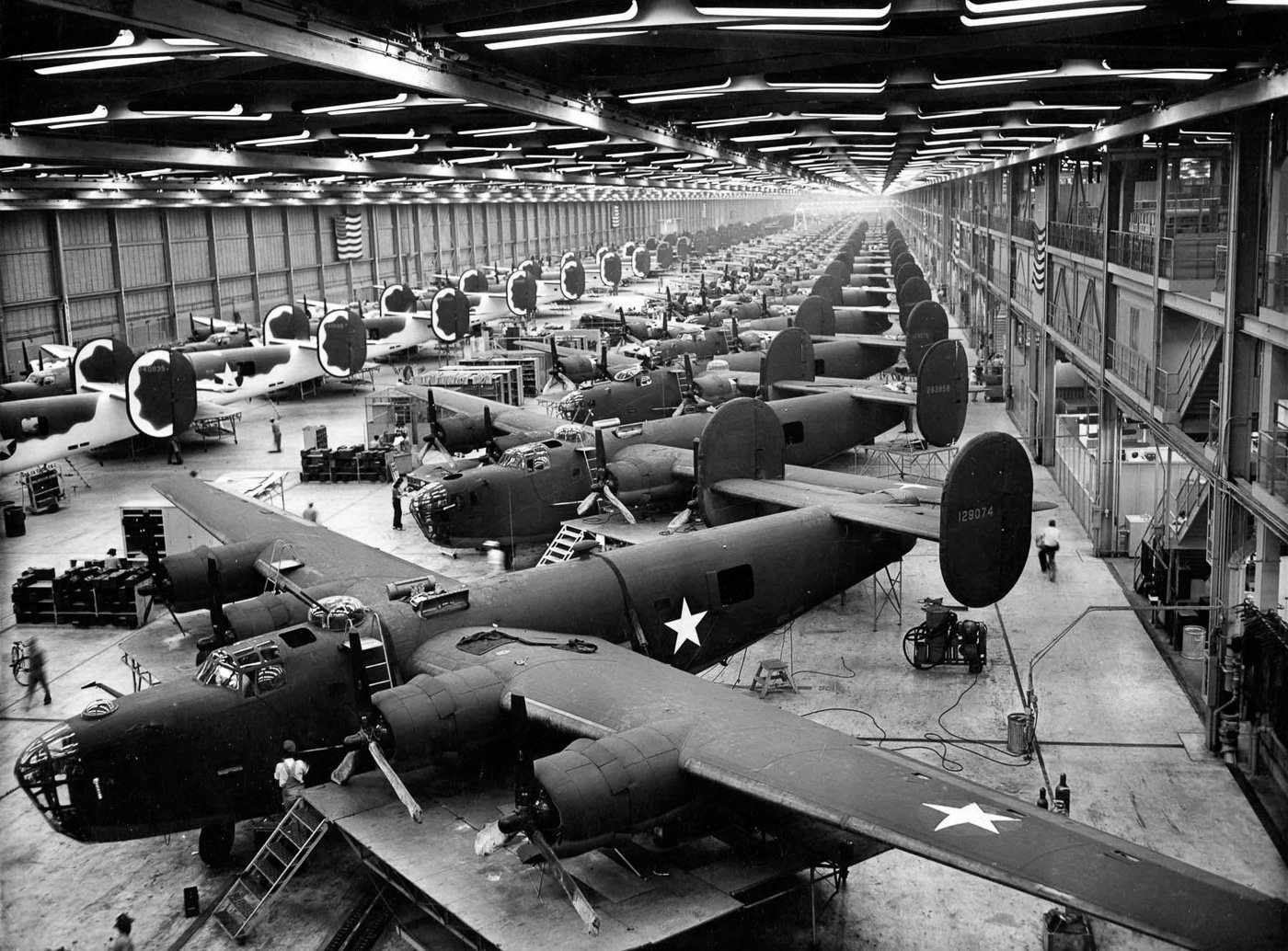
This original engineering blueprint originates from the Ford Motor Company, whose Willow Run plant in Michigan became the largest aircraft manufacturing facility in the world during World War II. Ford revolutionized aircraft production by applying automotive assembly line principles to bomber construction, transforming what had once been a slow and complex hand built process into an unprecedented system of mass production. By 1944, Willow Run was producing a completed B-24 Liberator every sixty three minutes. Ford alone manufactured over 8,600 B 24 aircraft, accounting for nearly half of all Liberators ever built. This blueprint is a direct product of that historic industrial achievement and represents the engineering refinement that allowed Ford to maintain speed, quality, and consistency during the final and most intense years of the war.
• Total Number of B-24 Liberators Produced
The Consolidated B-24 Liberator holds the distinction of being the most produced heavy bomber in aviation history. A total of more than 18,400 B-24 aircraft were manufactured during World War II. Of these, Ford Motor Company produced over 8,600 at Willow Run alone, while the remainder were built by Consolidated in San Diego and Fort Worth, Douglas Aircraft, and North American Aviation. This massive production output made the B 24 the backbone of Allied long range bombing power and a central symbol of American industrial strength during the war.
• Role in Major Battles and Campaigns. 1944 to 1945
From 1944 through 1945, the B-24 Liberator played a central role in many of the most decisive air campaigns of the war. In Europe, B-24s flew as part of the Eighth and Fifteenth Air Forces, conducting strategic bombing missions against German industrial centers, oil refineries, aircraft factories, rail yards, and submarine pens. They participated in Operation Pointblank, the Combined Bomber Offensive, and the sustained bombing campaign that weakened the Luftwaffe and crippled German war production. B-24s also supported the Normandy invasion by attacking transportation networks and coastal defenses in the weeks leading up to and following D-Day. In the Pacific Theater, B-24 Liberators were essential to long range bombing operations against Japanese bases, shipping lanes, and island strongholds. They were heavily used in campaigns across New Guinea, the Philippines, and later against targets in Formosa and mainland Japan. Their long range capability made them particularly valuable in the vast distances of the Pacific war.
• U.S. Squadrons and Air Forces That Used the B-24 During This Period
During 1944 and 1945, B-24 Liberators were flown by numerous U.S. Army Air Forces units across multiple theaters. In Europe, they were operated extensively by the Eighth Air Force based in England and the Fifteenth Air Force based in Italy. Notable Bomb Groups included the 44th Bomb Group, 93rd Bomb Group, 98th Bomb Group, 389th Bomb Group, and the 376th Bomb Group, among many others. These units carried out daily missions deep into enemy territory, often facing intense anti aircraft fire and fighter opposition. In the Pacific, B-24s were flown by the Fifth Air Force, Seventh Air Force, and Thirteenth Air Force. These squadrons conducted long range bombing raids and maritime patrol missions across island chains and open ocean. The aircraft also served with the U.S. Navy and U.S. Army Air Forces in anti submarine roles in the Atlantic, protecting vital supply convoys from German U boats.